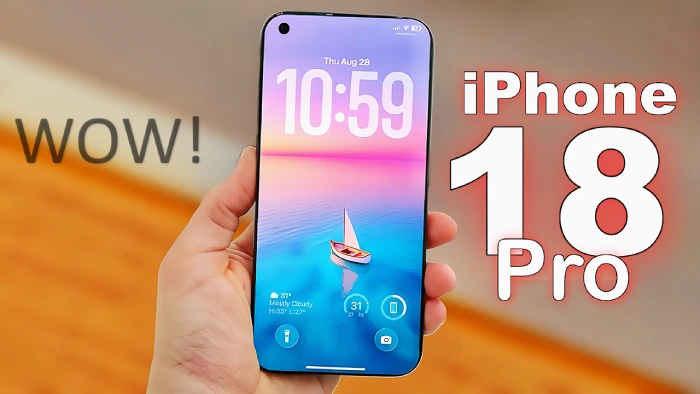
iPhone 18 Pro Could Transform Photography Forever
What if I told you that by 2026, Apple may radically alter how iPhone cameras operate?
I’m talking about a camera setup that may rival professional photographic equipment.
We’re delving further into some shocking rumors about the iPhone 18 Pro today, which imply that Apple is testing a feature that has never been seen on an iPhone.
We are discussing teleconverter technology and variable aperture cameras.
However, the fact that Apple is testing certain features does not guarantee that you will be able to utilize them.
Let’s examine what we now know, the potential implications for photography, and whether or not these rumors should thrill you.
Let’s start with the biggest news—Apple is apparently in the sample process for variable aperture camera components for the iPhone 18 series.
You may be asking yourself what a variable aperture is and why it matters.
Think of aperture as the pupil of your eye.
Your pupil shrinks to allow in less light when it’s bright outdoors.
Your pupil widens wide in the dark to absorb more light.
Current iPhone cameras feature what’s termed a fixed aperture.
This implies the hole that permits light into the camera sensor never changes size.
So whether you’re shooting in brilliant sunshine or low-light settings, the iPhone needs to depend totally on software trickery and computational photography to acquire the appropriate exposure.
The iPhone would have physical control over the amount of light that enters the camera if it had a variable aperture.
Better control over depth of field—that fuzzy background look you like in portrait photos—is what makes this so significant.
Currently, software is mostly responsible for the blur effect on iPhones.
However, a variable aperture would provide an optical blur that is more realistic and like that of a professional camera.
Chinese supply chain sources, who have historically been rather trustworthy when it comes to Apple leaks, are the origins of the stories.
These sources claim that Foxconn and LG Innotek are getting ready to produce these variable aperture modules.
Analyst Jeff Pu has also supported these reports, saying that both iPhone 18 Pro versions would include a 48-megapixel primary camera with a variable aperture.
This is where things start to get fascinating and a little confused, however.
According to the majority of sources, the primary wide-angle camera will have this variable aperture.
It may instead make its debut on the iPhone 18 Pro Max’s periscope telephoto lens, according to some leakers.
In any case, you would do far better in a variety of lighting situations.
This is where things become very complex and fascinating, so let’s speak about teleconverter technology.
You may be familiar with teleconverters if you have ever used a DSLR camera.
In essence, it’s an extra optical component that you affix to a lens to expand the zoom range.
Photos may get darker as a result of the trade-off of losing some light.
However, how would Apple include this in a smartphone?
That’s the big question, and to be honest, no one has a definitive answer yet.
The core notion is that Apple might construct an optical device that functions like a teleconverter to offer you improved zoom capabilities.
This is where the variable aperture connection truly shines.
A variable aperture might adjust by opening wider to admit more light if a teleconverter decreases the quantity of light that reaches the sensor.
This might provide zoom photographs that are much superior to anything we’ve seen on a smartphone when combined with Apple’s already remarkable computational photography.
However, let’s take a moment to slow down and discuss why you shouldn’t get too enthusiastic just yet.
Many of the features that Apple evaluates are never included in the final product.
During development, the business is renowned for operating many prototypes concurrently.
The fact that something is being tested does not guarantee that it will be included in the iPhone 18 Pro.
In fact, there were speculations that the iPhone 17 would have a variable aperture, but that clearly didn’t materialize.
Someone in the Chinese supply chain rumor community known as “Smart Pikachu” is the source of these most recent allegations.
Although this source has previously provided precise information about Android goods, Apple rumors are relatively new.
Therefore, we should surely be skeptical of this information.
We do know that Apple is probably nearing completion of the iPhone 18 Pro’s general design.
However, some parts and functions, like camera modules, are still being assessed.
This allows them the freedom to change features in response to testing outcomes.
Apple will assess if the technology is dependable for daily usage, whether the optical performance is enough, and whether they can mass-produce it without experiencing quality problems.
The functionality may be removed from the finished product if any of these elements don’t satisfy Apple’s requirements.
Let’s now discuss why a variable aperture would revolutionize iPhone photography and filming.
First of all, you would have far more control over exposure, particularly when filming films.
Have you ever attempted to capture a video outdoors on a bright day only to have it seem washed out?
This is due to the iPhone’s need to employ very brief exposure periods in order to prevent overexposure, which may cause motion to seem artificial.
By physically reducing the quantity of light entering the camera, a variable aperture would provide more realistic motion blur and improved exposure control.
Content producers that want to achieve a cinematic effect without purchasing extra equipment might find this very helpful.
The advantages would be significantly greater for photography.
Better portrait photographs with more organic background blur would result from having considerably more control over depth of field.
Additionally, the camera may adjust the aperture for optimal optical performance, which might result in crisper photographs in difficult lighting settings.
However, the iPhone 18 Pro is said to include more fascinating features than only cameras.
Apple’s new 2-nanometer A20 processor, which may be available in “Ultra” and normal versions, is anticipated to be used in the gadget.
Compared to existing chips, this would result in a significant increase in efficiency and performance.
Additionally, there are reports about Apple’s second-generation internal cellular modem, which may enhance connection and battery life.
Speaking of design modifications, the iPhone 18 Pro may at last include a smaller Dynamic Island.
The variable aperture may not be the most intriguing camera news yet.
According to a recent ETNews story, Apple plans to include cutting-edge LTPO+ OLED displays with the iPhone 18 Pro versions.
The really intriguing thing is what these displays would allow, even if they would be more energy-efficient.
According to the source, these larger displays would enable Apple to install the Face ID infrared scanner underneath the panel.
More intriguingly, Apple may relocate the front-facing selfie camera beneath the screen without sacrificing picture quality.
This would result in an entirely unbroken display with no Dynamic Island or notch at all.
In terms of smartphone design, this would be the ultimate goal that businesses have been after for years.
According to the rumor, Chinese panel manufacturer BOE would be forced out of Apple’s supply chain for the Pro models, as only LG and Samsung are able to manufacture these LTPO+ OLED displays.
With all of these capabilities, the iPhone 18 Pro would be a significant improvement over existing versions.
But keep in mind that this is a gadget that won’t be available until September 2026.
In terms of technology, it is still over two years away, which is an eternity.
Between now and then, a lot might happen, and Apple is infamous for keeping its plans under wraps until the very last minute.
What should you do with this knowledge, then?
If you’re thinking about upgrading your iPhone, don’t wait for the iPhone 18 Pro based on these speculations alone.
The cameras on the iPhone 15 Pro and the future iPhone 16 Pro are already amazing and capable of handling almost anything.
However, these anticipated features could be worth keeping an eye on if you’re a content maker or photography aficionado.
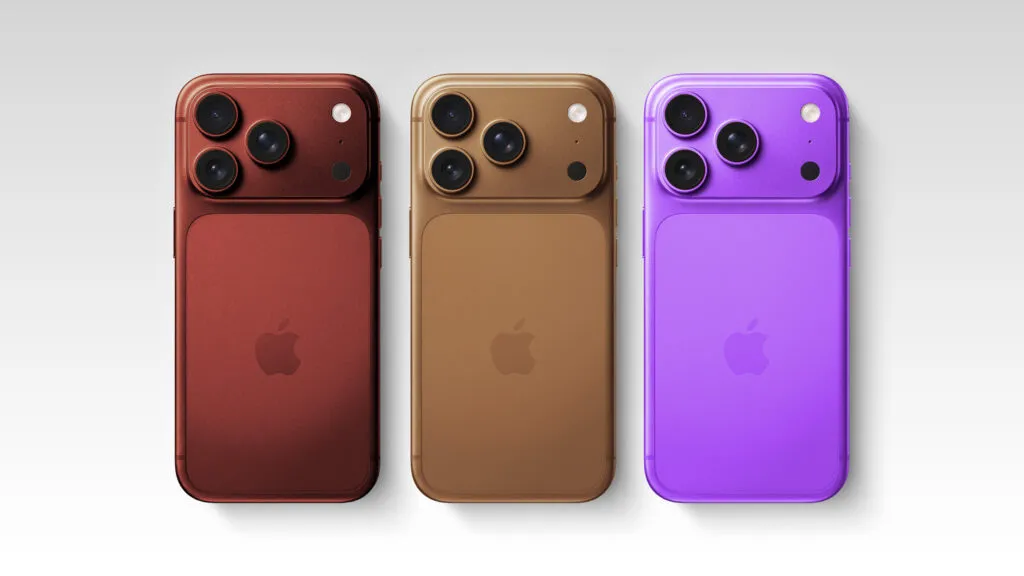
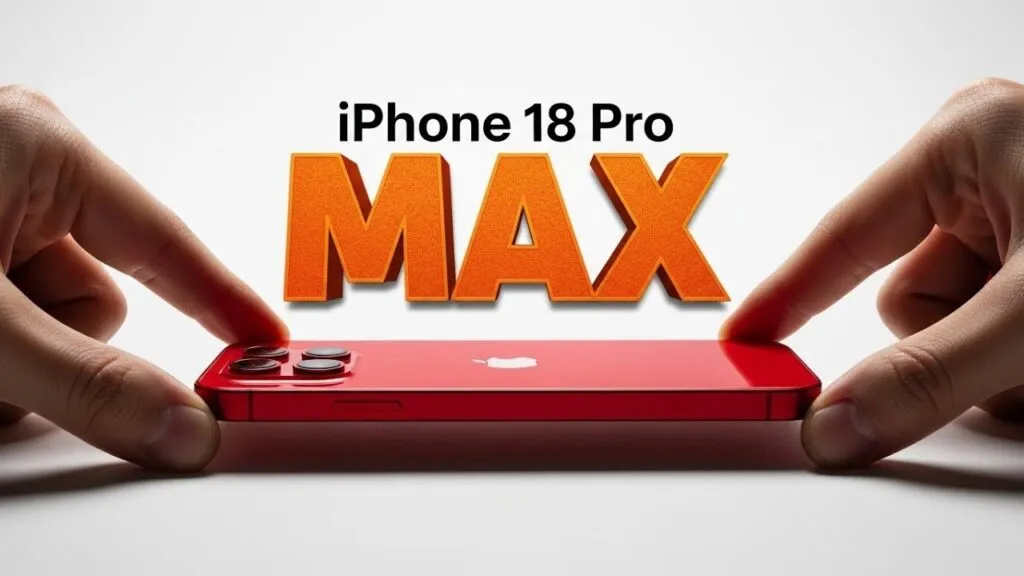
An iPhone with a variable aperture would bring smartphone photography much closer to that of a professional camera.
And for anybody who uses their phone to play games or watch movies, an uninterrupted all-screen design would be a dream come true.
There you have it: Apple may be developing some really ground-breaking camera technology for the iPhone 18 Pro.
Teleconverter technology and variable aperture have the potential to completely transform smartphone photography.
However, keep in mind that these are only rumors, and Apple may choose not to include these features into the finished product.
How do you feel about these possible improvements to the camera?
Would you be more inclined to upgrade to the iPhone 18 Pro if it had a variable aperture?
If you found this analysis useful, please let me know in the comments section below
Read more:
- The IPhone Fold Is About To Change Every Thing In The Foldable Sector.
- The Dynamic Island may shrink by 35%, according to an iPhone 18 Pro report.
- Samsung Galaxy Z Fold 8 vs Apple iPhone Fold Main differences to anticipate.
- iPhone 18 Pro: A Disappointing Evolution That Fails to Ignite Excitement.
- Apple Foldable iPhone: A Bold Step Forward.