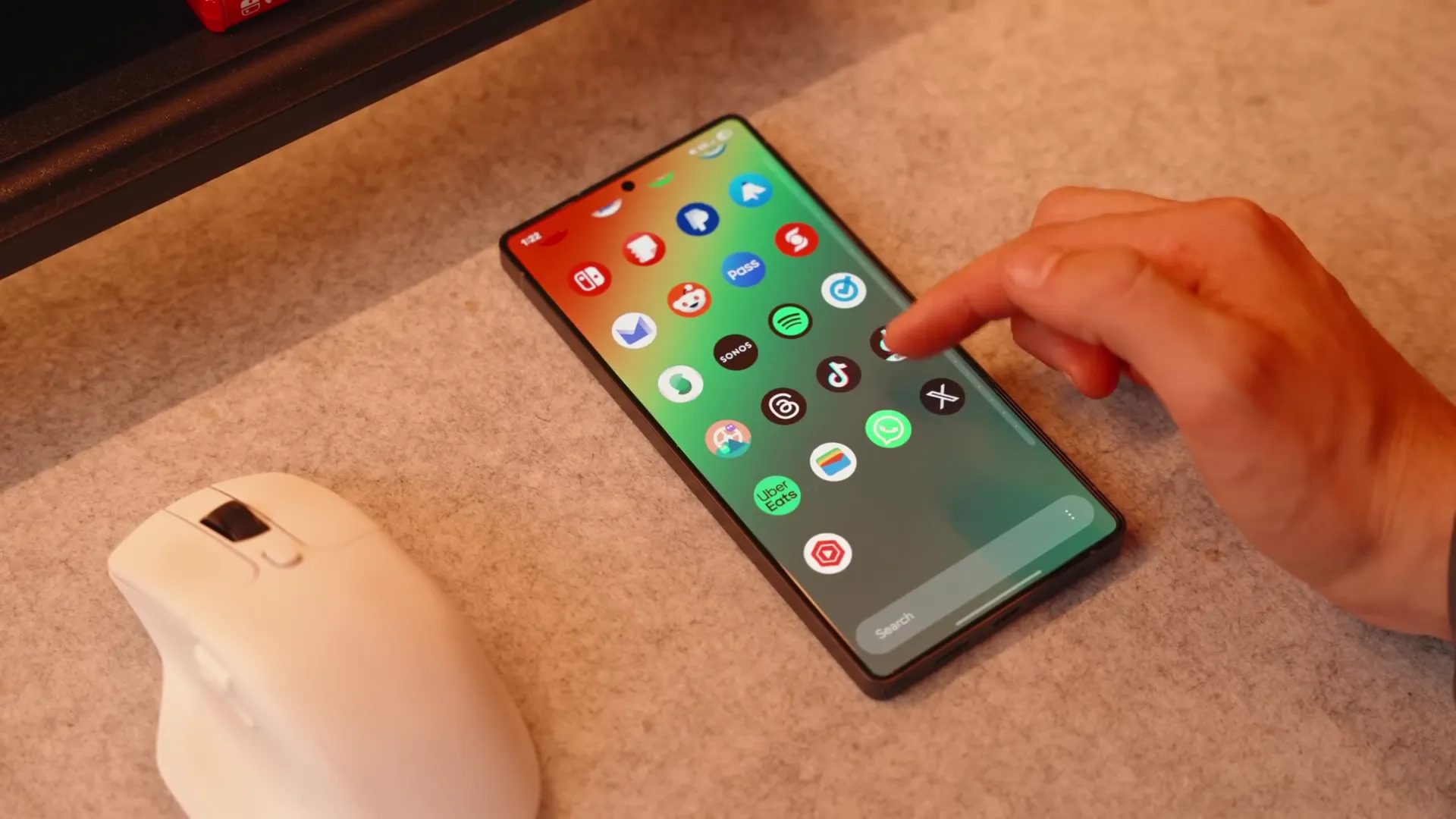
Galaxy: Unleashing cutting-edge 5G and satellite tech for ultimate performance.
A faster 5G processor with integrated satellite connectivity may be included in the Galaxy S27 Ultra.
1, Snapdragon 8 Elite Gen 6 series CPUs are probably going to use it.
At the Mobile World Congress (MWC) 2026, Qualcomm unveiled the X105, their newest 5G modem.
The Snapdragon 8 Elite Gen 6 series processors, which will probably power the Galaxy S27 Ultra when it releases early next year, are anticipated to employ the new modem.
The gadget will provide better wireless connectivity performance with the X105.
2, The Galaxy S27 Ultra may employ a Qualcomm X105 5G modem.
Qualcomm’s X85 modem, which powered the Snapdragon 8 Elite Gen 5 processor, is replaced with the X105.
It is the first modem from the firm to support 3GPP Release 19, which paves the way for future 6G networks.
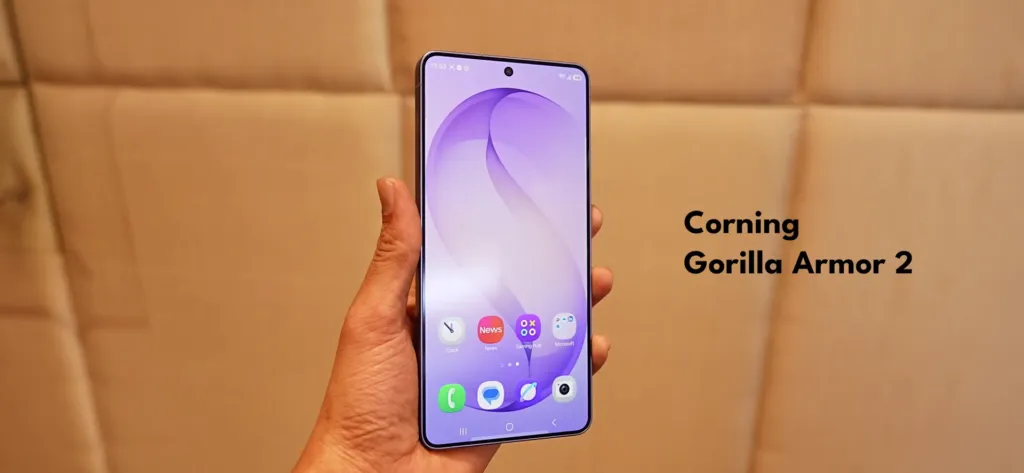
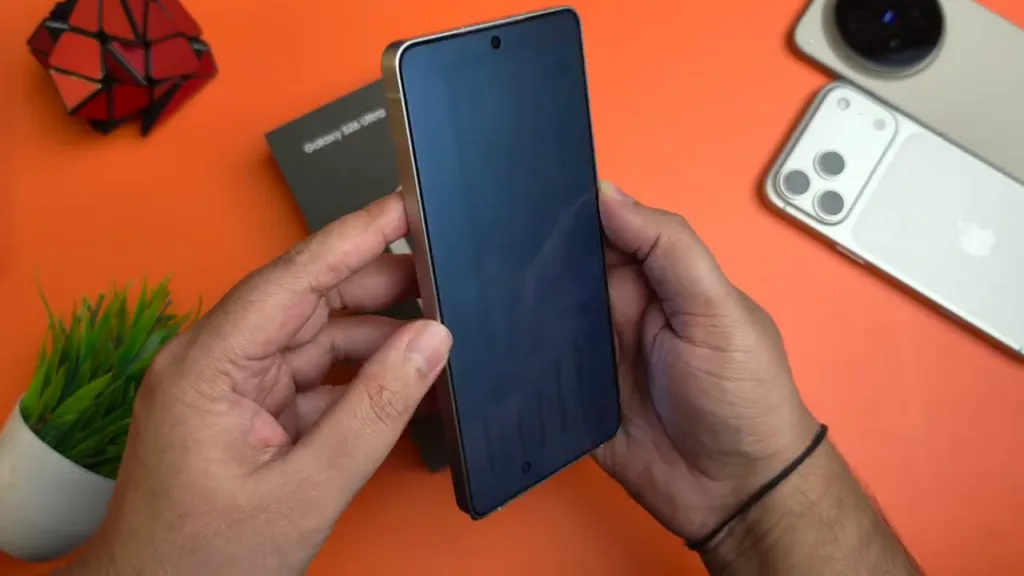
It is still a 5G modem, though. It offers a number of improvements and supports 5G Advanced.
The modem and the Snapdragon 8 Elite Gen 6 series are anticipated to make their debut in the third quarter of 2026. The Galaxy S27 Ultra will probably be powered by this combo.
The Qualcomm X105 offers faster 5G data speeds in terms of performance. Peak upload speeds of up to 4.2 Gbps and peak download speeds of up to 14.8 Gbps, including up to 13.2 Gbps on sub-6 GHz networks, are supported.
When combined with the modem, the new RF transceiver uses up to 30% less power. It also enhances location accuracy by supporting quad-frequency GNSS.
Additionally, the X105 has on-device AI capabilities that are intended to forecast and maximize network connectivity.
With Qualcomm’s AI APIs, smartphone makers may further improve connectivity performance.
3, Integrated satellite connectivity for communications in an emergency.
Support for New Radio Non-Terrestrial Network (NR-NTN) connectivity is one of its main characteristics. For 5G services, this enables suitable devices to establish direct connections with Low-Earth Orbit (LEO) satellites.
When traditional cellular networks are unavailable, users can use satellite connectivity to make and receive calls, send and receive text messages, and access data for apps and web browsing.
Additionally, the X105 supports NB-IoT networks, which can act as a backup in the event that satellite or conventional cellular connectivity isn’t available.
This makes communications services, including RCS, possible in places like elevators and underground parking garages where cellular signals are weak or banned.
4, Samsung may include the Exynos 2700 in the Galaxy S27 Ultra.
While the S26 Ultra is probably going to rely only on the Snapdragon 8 Elite Gen 5, Samsung is getting ready to release the Galaxy S26 and S26+ using its in-house Exynos 2600 processor in most international countries.
But that equilibrium might not endure for very long.
As part of a fresh attempt to turn a profit from its mobile CPU division, the corporation seems prepared to move Exynos up the lineup in 2027.
In certain areas, this endeavor may result in the Exynos 2700 powering the Galaxy S27 Ultra. The Exynos 2700 is headed toward production with a promising future.
Samsung is aiming for second-half production of the Exynos 2700, according to sources from South Korean media.
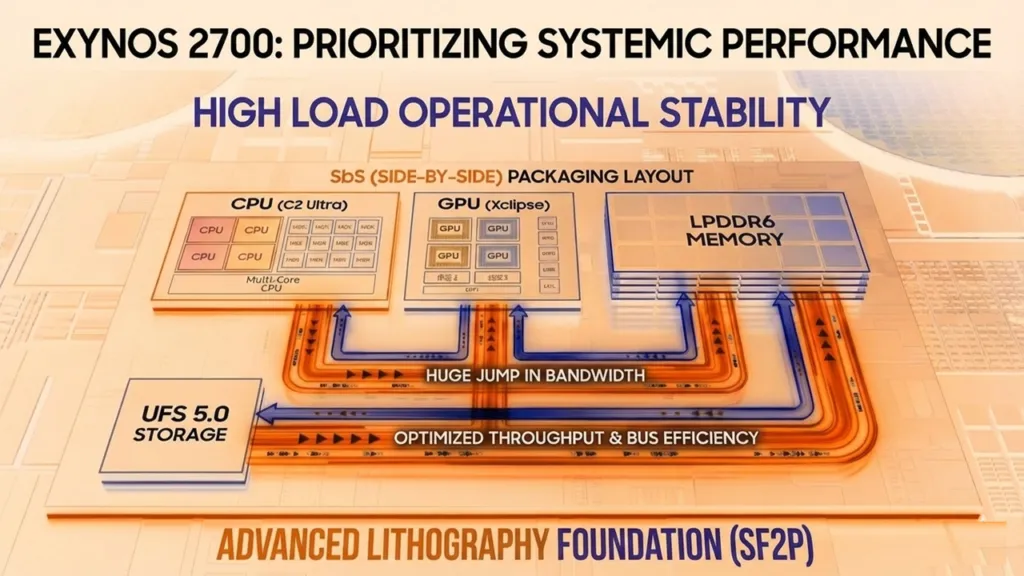
The device will be produced by Samsung Foundry utilizing its GAA (Gate-All-Around) transistor architecture and second-generation 2 nm (SF2P) technology.
The company anticipates significant improvements in economy and performance, equal to or even outperforming competing products like Qualcomm’s Snapdragon range.
However, that is not the case. Additionally, Samsung wants to include its potent new processor in more Galaxy S27 devices.
According to analysts, the Exynos 2700 might power almost half of the Galaxy S27 lineup—roughly twice as much as the current generation.
There are rumors that the Exynos 2600 will only be present in 25% of Samsung Galaxy S26 devices. This is due to the fact that Snapdragon silicon will be used worldwide in the best-selling model, Ultra.
The chip may also appear in the Galaxy S27 Ultra if the Exynos 2700 rumor is accurate. More than half of Samsung’s flagship sales are usually accounted for by the Ultra model,
and this year the S26 Ultra is expected to account for an even higher share. Given this, it would be challenging for the Exynos 2700 to power about 50% of Galaxy S27 devices without being included in the Ultra lineup.
That being said, nothing is final here. Since the Exynos 2700 is still in the early stages of development, production schedules, yields, and tactics may all alter.
The final chip splits probably won’t be known until much closer to the early 2027 debut of the Galaxy S27. Nevertheless,
one thing is becoming more and more obvious: Samsung’s flagship Exynos CPUs are making a reappearance, and it might not be long before one drives an Ultra model once more.
Read more: