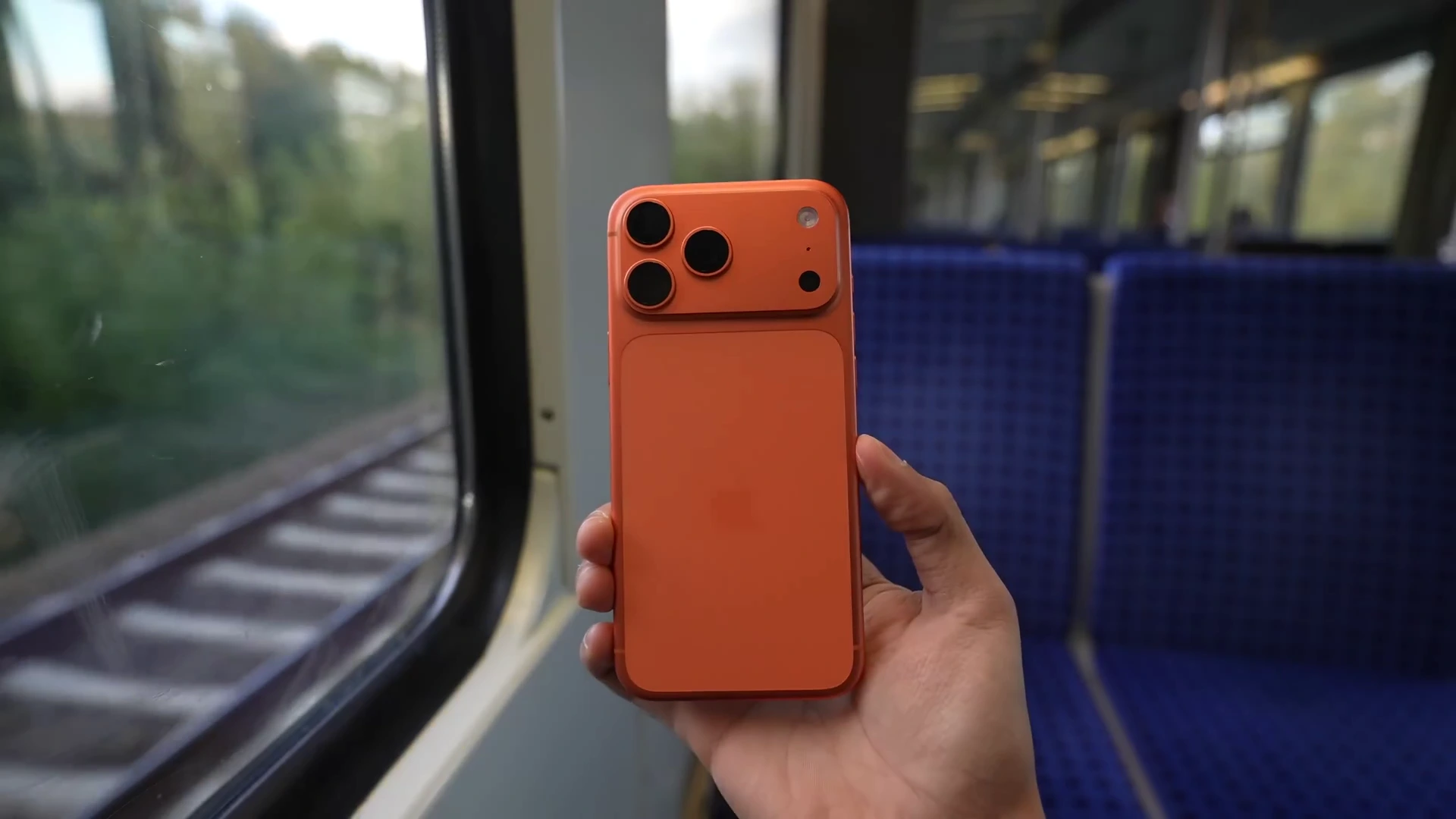
iPhone Discover the key upgrades that make waiting for the iPhone 18 Pro worthwhile.
As the September 2026 launch of the iPhone 17 Pro with a larger battery approaches, experts advise waiting for the iPhone 18 Pro.
Following the high demand for the iPhone 17 range last year, Apple is apparently getting ready to release the iPhone 18 Pro and iPhone 18 Pro Max as its next flagship handsets.
The new Pro models are anticipated to come with improvements like a quicker A20 CPU, a larger battery, and new vivid color options, according to numerous rumors and media reports.
According to some speculations, Apple may decide to introduce the ordinary iPhon 18 in early 2027 instead of this year, concentrating on the Pro variants and possibly unveiling its first foldable iPhone at the same time.
Many Australian consumers are debating whether to buy now or wait, given that the iPhone 17 Pro is already six months old and the iPhone 18 Pro is still about six months away.
Your existing device, financial situation, need for quick improvements, and willingness to wait until September 2026—when Apple is anticipated to release the Pro versions along with a foldable iPhone—will all play a major role in the answer.
In Australia, the 256GB model of the September 2025-released iPhone 17 Pro costs A$1,999, while the 512GB and 1TB models cost A$2,399 and A$2,799, respectively.
The A19 Pro chip, a triple 48MP camera system, a 6.3-inch Super Retina XDR display with ProMotion 120Hz, and a long battery life have all been recognized by reviewers as a clear improvement over the iPhone 16 series.
Apple offers A$300 to A$1,205 in credit, depending on the model that is turned in, and trade-in values are still high.
However, there are rumors regarding the iPhon 18 Pro that point to significant but not revolutionary changes that would make waiting worthwhile for some consumers, especially those who have an older handset or who value camera versatility and battery life.
According to leaks, the Pro Max will have a slightly thicker chassis to fit a larger 5,100–5,200 mAh battery, which might provide up to 40 hours of mixed use and solve one of the few persistent complaints about recent Pro models.
Apple’s first 2nm A20 Pro chip, produced by TSMC, is anticipated to represent the largest internal advancement.
According to early estimates, it will perform 10–15% better and have up to 30% more power efficiency than the A19 series.
In addition to improving Apple Intelligence capabilities, on-device AI processing, and thermal management, this closer integration—possibly through wafer-level manufacturing that integrates RAM directly with the processor—should free up internal space.
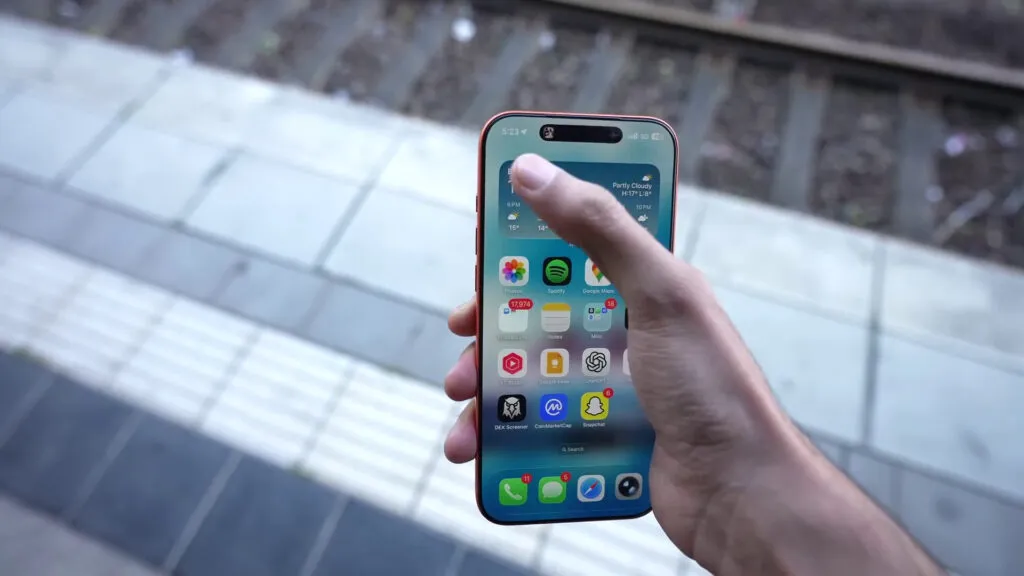
Upgrades to displays are more gradual. The size of the 6.3-inch and 6.9-inch LTPO OLED screens is probably going to stay the same, but a smaller Dynamic Island—which has supposedly been cut by roughly 35%—might result in a cleaner appearance.
According to some reports, the front camera may switch to a left-aligned punch-hole design, and complete under-display Face ID may launch in 2026 or be delayed to a subsequent iteration.
For improved outdoor visibility, peak brightness may increase to 3,000 nits.
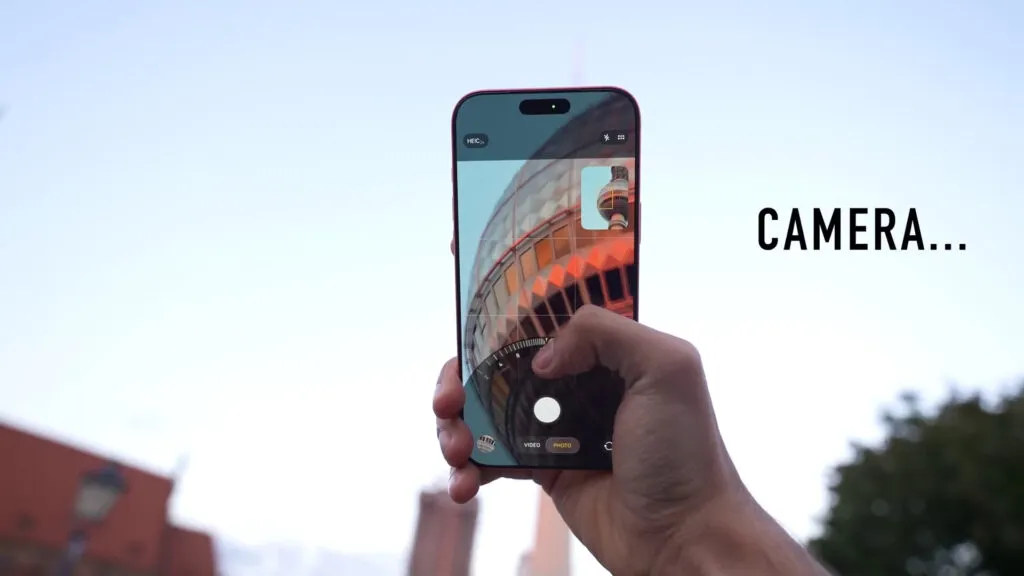
Enhancements to the camera can attract aficionados. A higher-resolution front camera (perhaps 24MP), a variable aperture primary sensor for more control over depth of field and light intake,
and ongoing improvements to the triple-lens configuration are all rumored. Additionally, a new “deep red” color option for the limited-edition finish is anticipated.
According to rumors, the iPhon 18 Pro will mostly keep the titanium frame and camera arrangement of the iPhone 17 Pro.
However, the existing two-tone design may be replaced by a more cohesive rear glass finish. The Pro is probably going to start around the current price of A$1,999, with no significant price hike anticipated.
Complicating matters is Apple’s alleged change in launch frequency. Standard iPhon 18 models may be delayed until spring 2027, while the iPhone 18 Pro and Pro Max, as well as the foldable iPhone, are expected to launch in September 2026.
Pro purchasers will therefore have to wait a typical six months going forward, while those interested in the base models may have to wait more than a year.
For a lot of consumers, haste is the deciding factor. The iPhone 17 Pro offers great performance today at possibly lower pricing as stores clear stock ahead of the next cycle if your existing iPhone is slow, has a bad battery, or lacks contemporary features like Apple Intelligence.
Competitive plans are often offered by Australian carriers; some bundle the 256GB model for between A$55 and A$80 per month for 24 to 36 months following trade-in.
Waiting could be advantageous for people who intend to keep a phone for three to four years or more.
While the efficiency increases from the 2nm technology could transfer into smoother long-term performance and enhanced future-proofing for AI functions, the anticipated battery gains alone might make the delay worthwhile for heavy users.
A cleaner display notch and variable aperture photography are desirable features that might give the iPhone 18 Pro a more modern feel.
Another consideration is trade-in values. When the 18 series is released, purchasing the iPhon 17 Pro now secures a high resale or trade-in price, potentially offsetting a significant portion of the upgrading cost.
Although there is a lot of demand for Pro models, waiting puts the iPhone 17 Pro at additional risk of losing value.
Reviewers and analysts are divided. Some contend that the iPhon 18 Pro is worth the wait for patient consumers because it is a smart progression centered on useful everyday enhancements rather than ostentatious redesigns.
Others note that because of design continuity, there won’t be a significant cosmetic change, and the iPhone 17 Pro will continue to be a flagship gadget that can do challenging work for years to come.
Read More.

This is very nice.
Excellent analysis. The future-proofing angle and upgrade timing logic were explained in a very practical way.
I’m excited for Apple 18 , this article is good
Great read. The charging upgrade focus clearly shows how Samsung is improving real daily usability.
For it’s first 2nm chip, Advance under-display technology and enhance safety.
Waiting for the iPhone 18 Pro makes sense if you want longer-lasting performance, better features, and true future-proof value.
Iphone 18 is pro level phone.love
If Apple really delivers on AI, battery efficiency, and that 2nm chip, the iPhone 18 Pro could be less about hype and more about long-term reliability. Future-proofing might finally mean something this time.
Hmm, that seems to be true.
Just waiting for the iphone 18 pro, it will Be fire.
Waiting for the iPhone 18 Pro sounds like a smart move if you want more future-ready features and longevity. It’ll likely bring meaningful upgrades that make holding off totally worth it.
Absolutely agree — waiting for the iPhone 18 Pro could be the smartest choice if you want next-gen features, better performance, and a device that stays relevant for years. Future-proofing always wins!