Skip to content
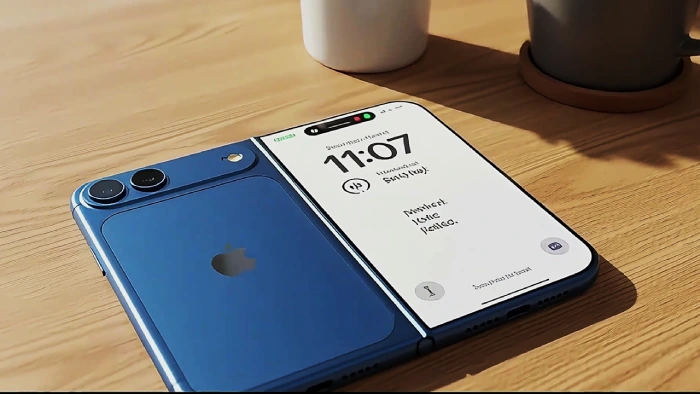
Apple’s innovative foldable phone combines cutting-edge tech with sleek design.
According to a recent Apple leak, production of the iPhone Fold has increased significantly.
According to leaked production estimates, Apple anticipates that the iPhone Fold, its first foldable phone, would be extremely popular in addition to being priced competitively.
Apple Wagers on the Popularity of the iPhone Fold According to Aju News, a Korean business website, Apple has ordered 20 million more iPhone Fold displays from Samsung Display.
According to Aju News, mass manufacturing is anticipated to start in May, which is an increase from the initial estimate of 13–15 million display panels.
For background, a November article in Chosun Daily stated that Samsung anticipates selling seven million foldable phones by 2026.
This applies to all devices, including the Galaxy Z Tri-Fold, Galaxy Z Flip 8, and Galaxy Z Fold 8 (including the new Wide Fold). Apple has higher expectations than that number.
According to Chosun Daily, Samsung’s 7 million sales goal is a 35% increase over its 2024 sales numbers (5.21 million devices).
RAM comparable to top Pro models According to a recent report from The Bell, a South Korean technology publication, the iPhone Fold would include 12GB of LPDDR5X RAM, which is the same amount of memory as Apple’s most expensive flagship models.
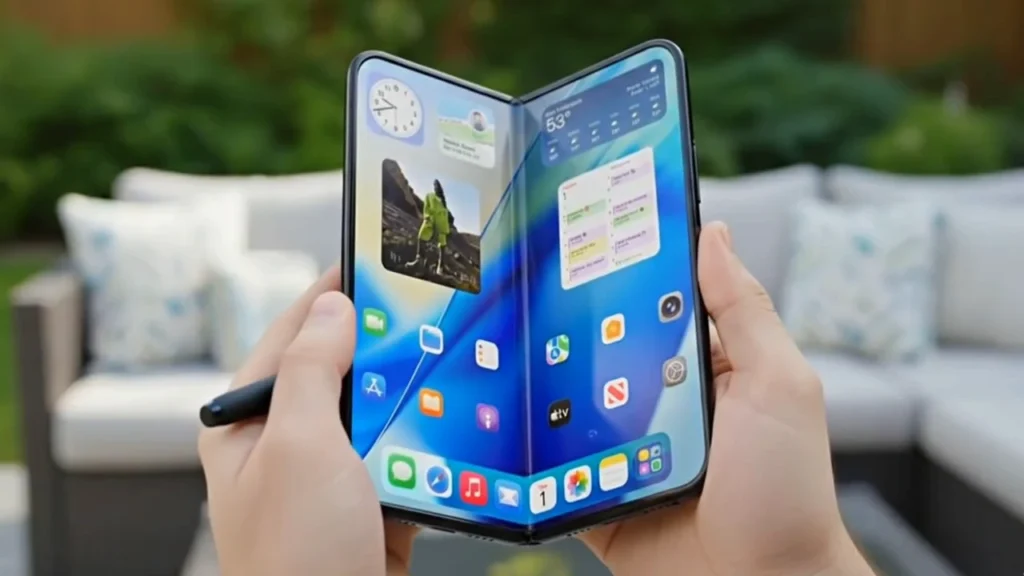
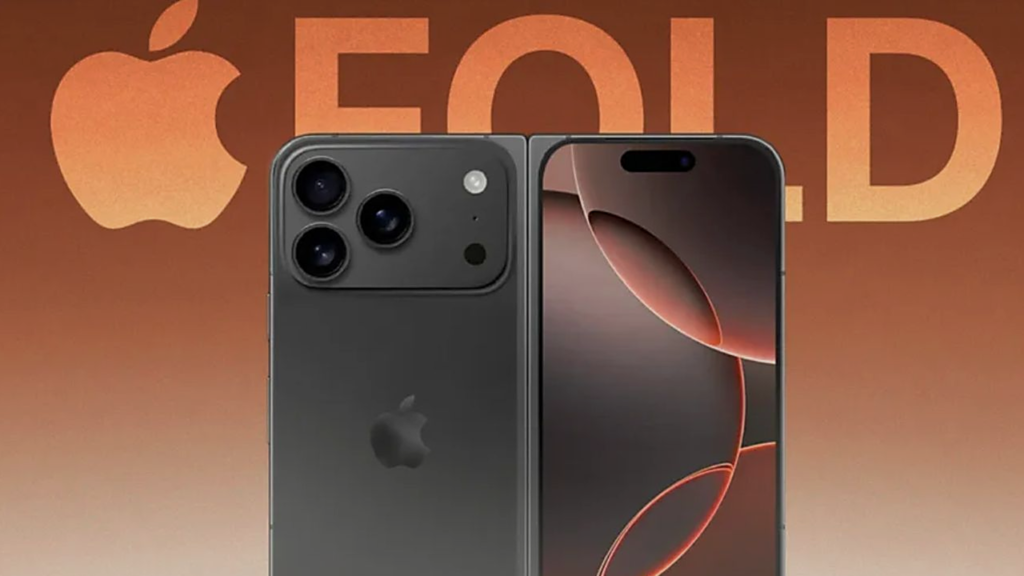
In particular, it is anticipated that the foldable device will have the same RAM capacity as the iPhone 17 Pro and iPhone 17 Pro Max.
It might possibly have the same memory arrangement as the upcoming iPhone 18 Pro and iPhone 18 Pro Max.
Samsung, which is still one of the biggest producers of DRAM worldwide, is thought to be the source of the memory chips.
Increased RAM capacity might be especially helpful for foldable devices since users frequently employ multitasking features to run many apps at once on the larger display.
A record-breaking price and three storage choices Instant Digital, a Weibo leaker, revealed that Apple is probably going to release the iPhone Fold with three different storage options.
A 256GB base model, a 512GB model, and a top-tier 1TB option may be available; this is the standard lineup for Apple’s high-end iPhone models. Macworld, a technology publication, reports that the 256GB model could start at US$1,999.
The 1TB model would cost about US$2,399, while the 512GB model might cost about US$2,199. If these numbers are correct, the iPhone Fold would be the priciest iPhone that Apple has ever sold.
However, considering the intricacy of foldable display technology, the high-end hardware requirements, and the significant expenditures associated with research and development, such pricing would not be wholly unexpected.
The iPhone Fold Arrives Late and Makes a Big Apple-Style Entry The news that Apple intends to sell the iPhone Fold competitively at about $2000 is consistent with these high manufacturing numbers.
That’s the price of the base Galaxy Z Fold 7, and the Galaxy Z Fold 8 will probably cost the same amount if Samsung isn’t forced to act by the memory chip situation.
Along with these impressive manufacturing figures, Apple matching the pricing of the most well-liked book-shaped foldable on the market indicates that the business has great expectations and will actively promote the foldable.
Everything suggests that the iPhone Fold is not a low-key concept phone that Apple employs to test the foldables market, but rather a major flagship that sits prominently at the top of the company’s smartphone lineup.
That is a risk in and of itself. If the iPhone Fold is really popular, millions of people will be affected by any problems the new device has.
However, production figures and actual sales are two different things (ask the iPhone Air about that). Furthermore, foldable phones are difficult to understand.
The extremely thin glass panel may be vulnerable to breakage and hinge failure.
If the foldable screen needs to be changed, Apple will also need to develop a new repair procedure for the iPhone Fold, which probably won’t be affordable for consumers.
Additionally, the software experience must be seamless. App resizing, apps stalling in side-by-side mode keyboards not instantly disappearing, and other issues plagued earlier iterations of the Google Pixel Fold and Samsung Galaxy Z Fold series.
Perhaps Apple gets it all right from the start, and all those years of quietly improving its iPhone Fold development in the background while letting its Android competitors make the mistakes pay off.
However, first-generation hardware should generally be avoided, especially at $2000, as folding phone technology can be unreliable in my experience.
Read More: