
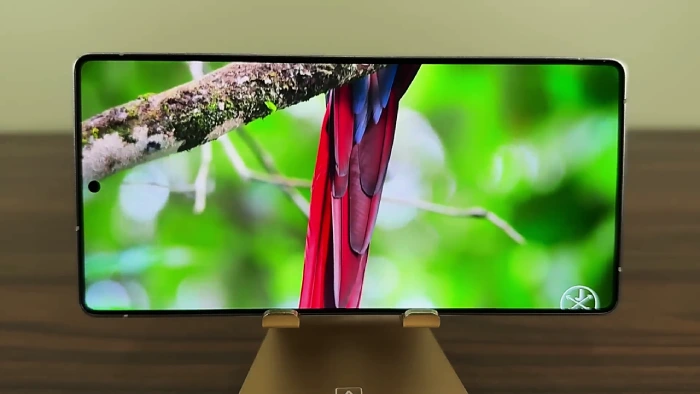
Samsung Galaxy S26 Ultra might at last offer a real 10-bit display
Samsung believes that the Galaxy S26 Ultra might at last offer a real 10-bit display.
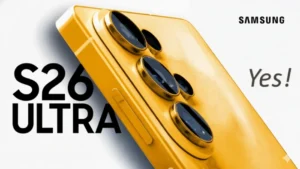
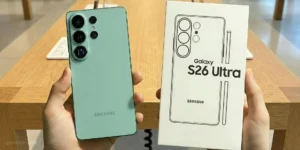
Samsung will soon debut the Galaxy S26 series, which includes the S26 Ultra. The gadgets are slated to formally debut on February 25, 2026, with some substantial configuration alterations.
A fresh rumor indicates that the Galaxy S26 Ultra will contain a complete 10-bit display, which would substantially overhaul Samsung’s mobile range.
There are reports that the Galaxy S26 Ultra will feature a real 10-bit display.
Samsung’s Galaxy phones have typically had exceptional display quality. Considering the competition, it is surprising that the business has not yet integrated a true 10-bit screen.
Up until the Galaxy S25 Ultra, the Korean manufacturer employed 8-bit displays with FRC (Frame Rate Control) dithering to mimic deeper color depth. It is effective, albeit it is not a big hardware improvement.
It appears like Samsung will finally enhance the color of its Galaxy screens this year. The famous source Ice Universe reports that the Galaxy S26 Ultra will feature a native 10-bit display. They are “100%” certain.
On paper, the move from 8-bit to 10-bit color depth appears hard. In practice, it’s simple to see. An 8-bit panel can show roughly 16.7 million colors, but a true 10-bit screen can display around 1.07 billion hues.
The largest practical benefit is supplied by smooth slopes. Shadows, HDR video, banding in the sky, and other cinematic features are drastically decreased.
When paired with Samsung’s recognized advantages in display technology, the Galaxy S26 Ultra may give one of the most complete smartphone display experiences to date.
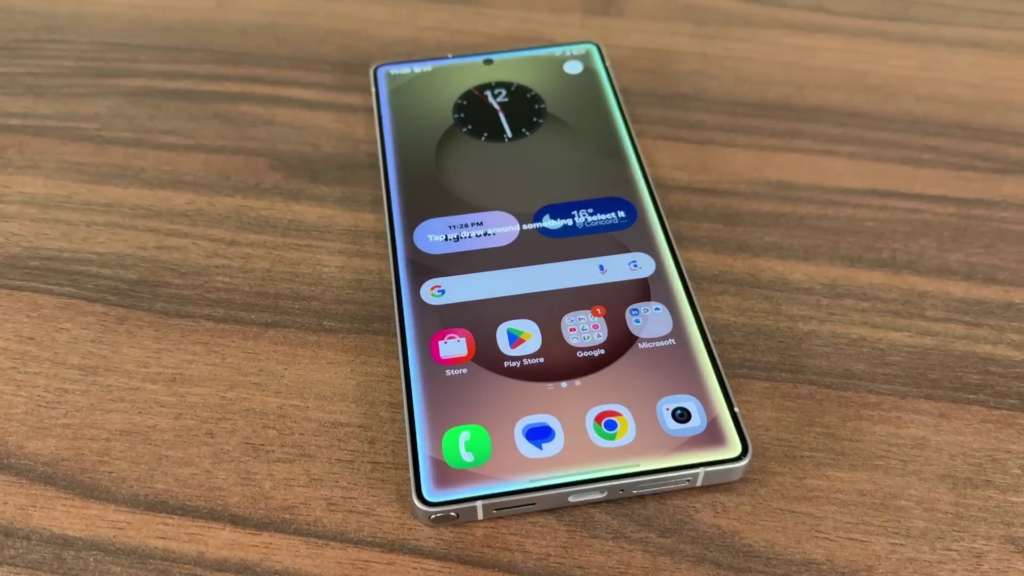
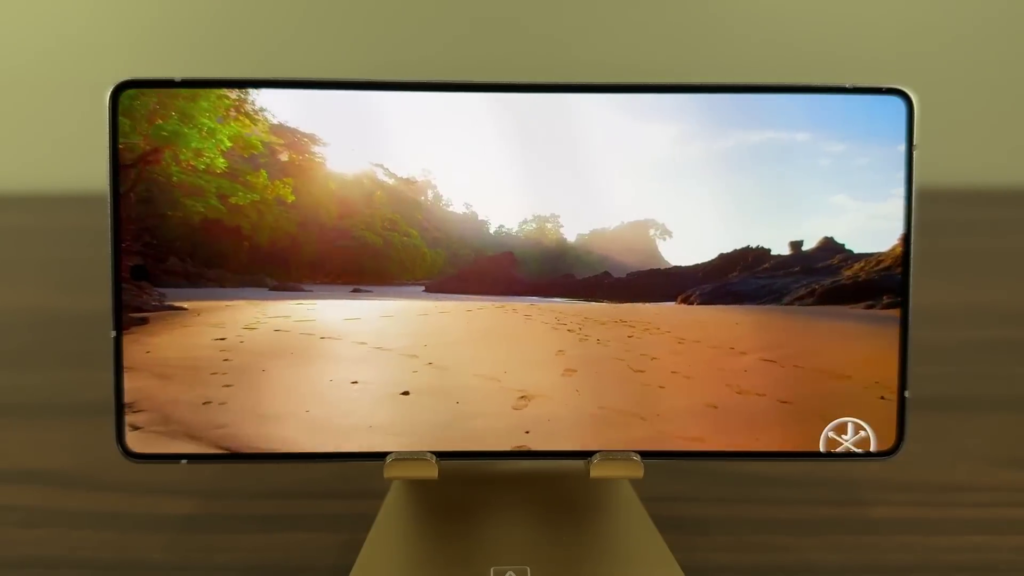
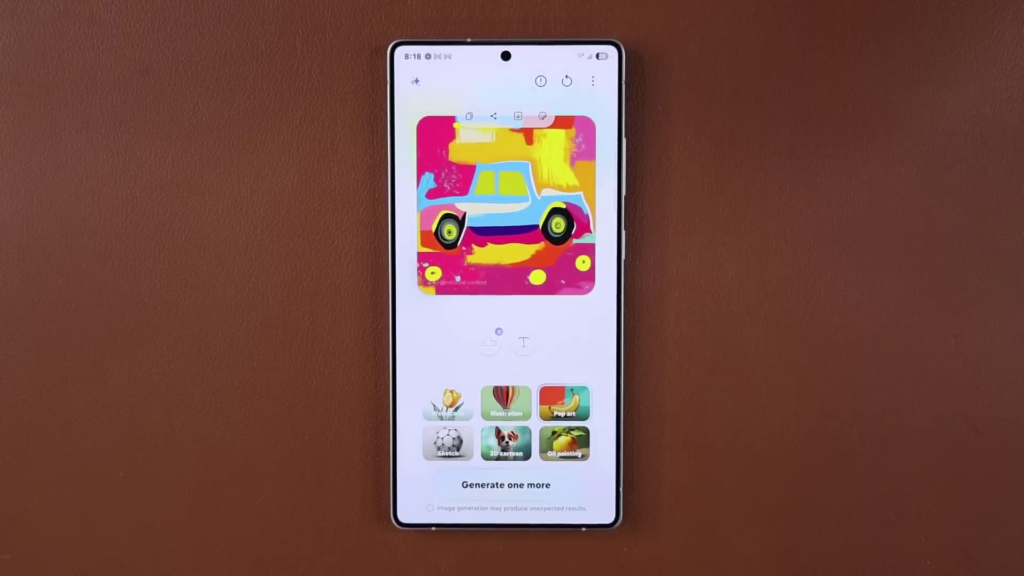
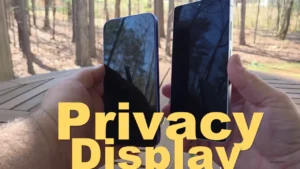
The standard is already being raised by features like Privacy Screen, and a real 10-bit display would further elevate it.
If this update will simply be available for the Ultra or if it will be accessible for the complete Galaxy S26 family is the main outstanding issue.
The smartphone industry has always been defined by the strong battle between Samsung and Apple, but in 2026, the Galaxy S26 will be ready to challenge the iPhone’s grip on rich customers.
With major advances in camera quality, battery life, and AI capabilities, Samsung’s new flagship is rethinking what iPhone consumers may hope from their future smartphone.
The 200MP Revolution: An Innovative Camera System.
The Galaxy S26 delivers a huge advance in camera quality, which is still the most crucial criterion when selecting a smartphone.
The S26 Ultra delivers remarkable low-light performance and detail capture thanks to its extraordinary 200MP main sensor and f/1.7 aperture.
This is a generational upgrade over the iPhone 17’s 48MP system, which is competent but produces significantly worse quality for cropped and zoomed photographs.
The S26 Ultra includes a 50MP periscope telephoto lens with a 5x optical zoom, as compared to the iPhone 17’s 4x optical zoom.
Without sacrificing the quality of the picture, digital interpolation allows consumers additional compositional and framing alternatives.
The 50MP ultrawide camera in the S26 series completes a versatile triple-camera system appropriate for nearly any sort of shooting setting.
The Galaxy S26’s laser autofocus and advanced multi-directional phase-detection autofocus enable excellent focus in tough conditions where iPhones might fail.
Samsung is unusual in that it can shoot 8K footage at 24–30 frames per second. While the iPhone 17 can only shoot 4K at 60 frames per second, users with the Galaxy S26 may be able to generate cinematic video that is suited for professional editing and large-screen viewing.
When comparing the iPhone and Samsung, multimedia manufacturers will surely gain from this.
Extended Battery Life.
Battery life has always been Samsung’s secret weapon. The Galaxy S26 Ultra employs stacked battery technology to enhance capacity to 5,000–5,500 mAh while preserving the same chassis limits as the standard model, which has a 4,300 mAh battery.
In real-world testing, the S26 easily hits 16+ hours of mixed-use battery life, while the Ultra approaches 20 hours.
The iPhone 17’s 4,252 mAh battery operates similarly in Apple’s intended environment, however it is significantly less robust than the larger Galaxy versions.
Additionally, Samsung’s 45W–60W rapid charging dramatically shortens the time spent hooked into a wall outlet.
The S26 Ultra can reach 75% capacity in under 30 minutes of cable charging; however, the iPhone’s 40W charging takes significantly longer to attain equal charge levels.
The Galaxy S26’s Qi2 wireless charging technology enables faster wireless charging speeds (15W) and magnetic alignment for those who have bought magnetic accessories.
This innovative blend of Galaxy S26 features and battery life optimization will be appealing to individuals who favor work above fun.
Galaxy AI: Practical Intelligence The inbuilt artificial intelligence of the Galaxy S26 exceeds Apple Intelligence’s present limits.
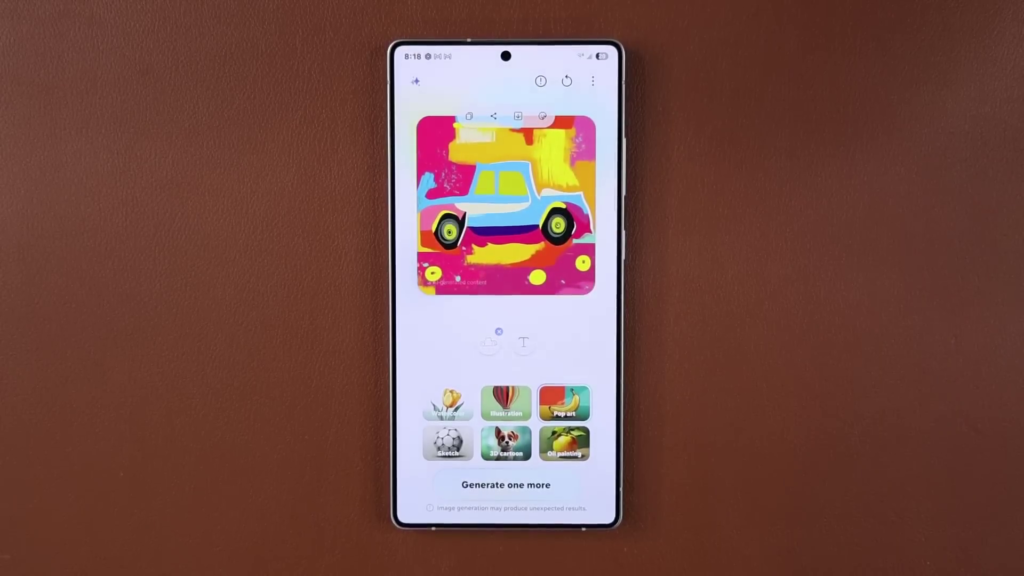
Galaxy AI delivers on-device processing for privacy-sensitive functions like real-time translation, note summarizing, and photo editing.
The Generative Edit feature employs AI to allow extensive photo editing on your smartphone, such as moving, deleting, or enlarging components, without needing cloud uploads that jeopardize privacy.
The upgraded Scam Detection function, which was previously only accessible on Google Pixels, is now available for Galaxy S26 handsets.
By keeping a watch on incoming calls to uncover suspected fraud, this tool protects users from complicated phishing attempts.
Audio Eraser immediately removes six forms of background noise, including speech, music, wind, nature, people, and general noise, enabling users to preserve difficult recordings.
By delivering real-time phone translation in over 20 languages, Live Translate drastically decreases communication obstacles.
These AI talents are not unique additions; rather, they are AI capabilities that appear to be particularly useful.
Samsung’s resolve to make Galaxy AI functions freely available within One UI 8 separates this device from competitors that charge monthly subscriptions for more complex functionality.
M14 OLED Effectiveness: Advanced Display Technology
Samsung’s cutting-edge M14 OLED screen, which has a maximum brightness of 2,600 nits and consumes less power than displays from preceding generations, is incorporated in the Galaxy S26 series.
The unique color filter encapsulation approach decreases overall device thickness and thins bezels without losing screen real estate. A true alternative for varied hand sizes and usage patterns is offered by the 6.3″ (basic), 6.6″ (Plus), and 6.9″ (Ultra) display sizes.
The new Flex Magic Pixel feature utilizes AI to dynamically adjust viewing angles based on detected user location when appropriate viewing angles are discovered, enhancing brightness perception and saving battery consumption.
This is an example of well-considered engineering that enhances everyday living. On all models with variable refresh technology, scrolling smoothness approaches and frequently exceeds the iPhone 17’s ProMotion implementation at 120Hz refresh rates.
Samsung DeX for Multitasking in the Desktop Class.
One of the primary difficulties with the iPhone is still its single-app-at-a-time UI design. The Multi-Active Window multitasking function of the Galaxy S26 lets users run three programs concurrently in split-screen mode.
Unmatched flexibility is excellent for workers who must continually check emails, swap papers, and hold video conferences.
Samsung DeX transforms the Galaxy S26 into a desktop alternative when it is attached to external displays.
The Link to Windows capability works well with Windows PCs by recreating the user interface (UI) of your phone onto a desktop screen with a keyboard and mouse.
The productivity-focused Galaxy S26 features makes the iPhone’s mobile-only environment operationally unappealing for professionals with desktop workflows.
Unadulterated Superior Performance with the Snapdragon 8 Elite Gen 5.
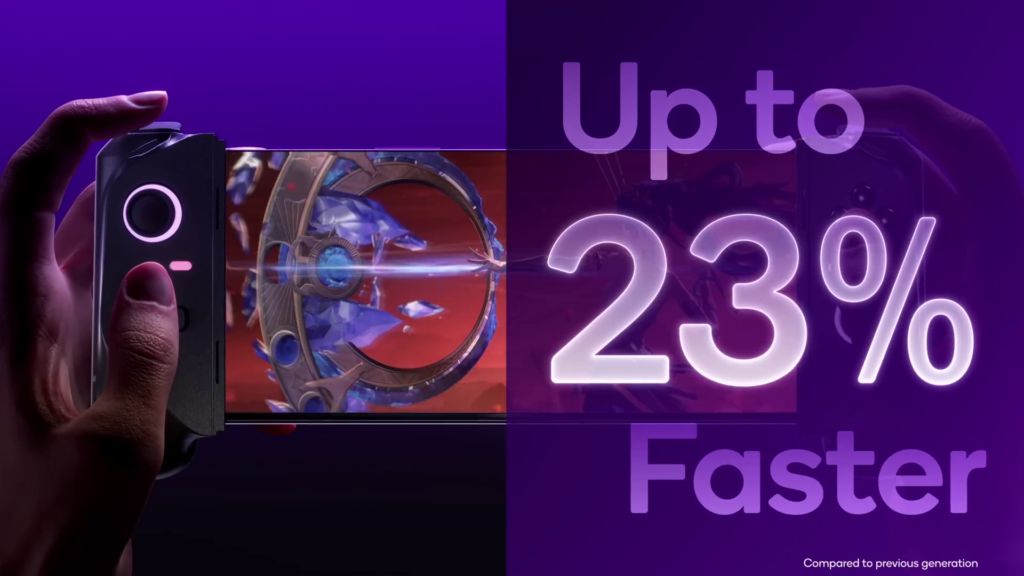
The Snapdragon 8 Elite Gen 5 CPU can handle demanding gaming and 3D applications with less thermal throttling owing to 35% greater GPU power than its predecessor.
Samsung’s basic Galaxy S26 has 12GB RAM, but the Ultra has 16GB, which is substantially higher than the iPhone 17’s standard 8GB.

This enormous amount of RAM enables flawless app multitasking and enough room for on-device Galaxy AI capabilities.
Performance benchmarks demonstrate that the Snapdragon 8 Elite Gen 5 and Apple’s A19 Pro CPU differ slightly in isolated simulated testing, however the Galaxy S26’s greater RAM allocation typically triumphs in real-world performance.
Customers notice quicker app launches, more fluid app transitions, and fewer app refreshings when navigating between numerous applications.
One UI 8.5: Customization Unmatched by iOS.
The most evident evidence of the underlying design philosophy that differentiates Android from iOS is customization opportunities.
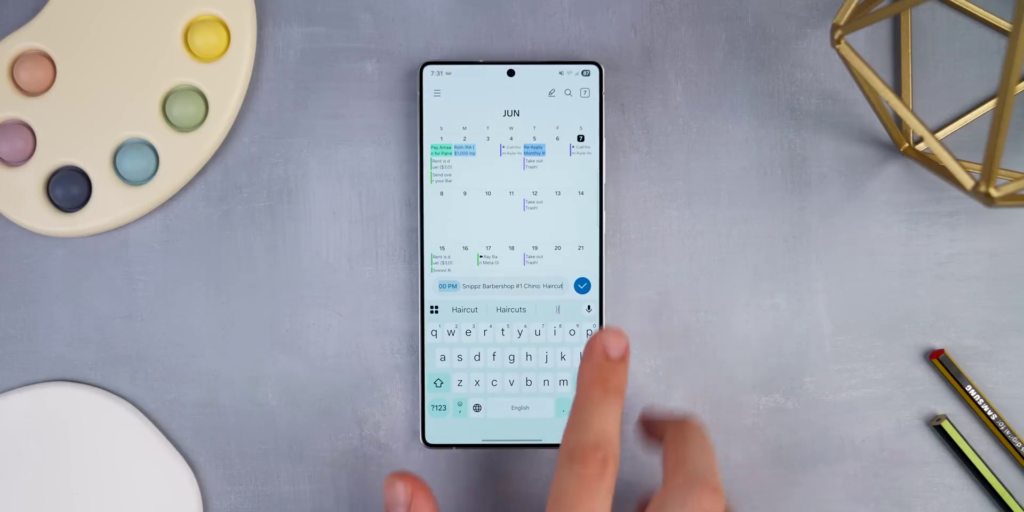
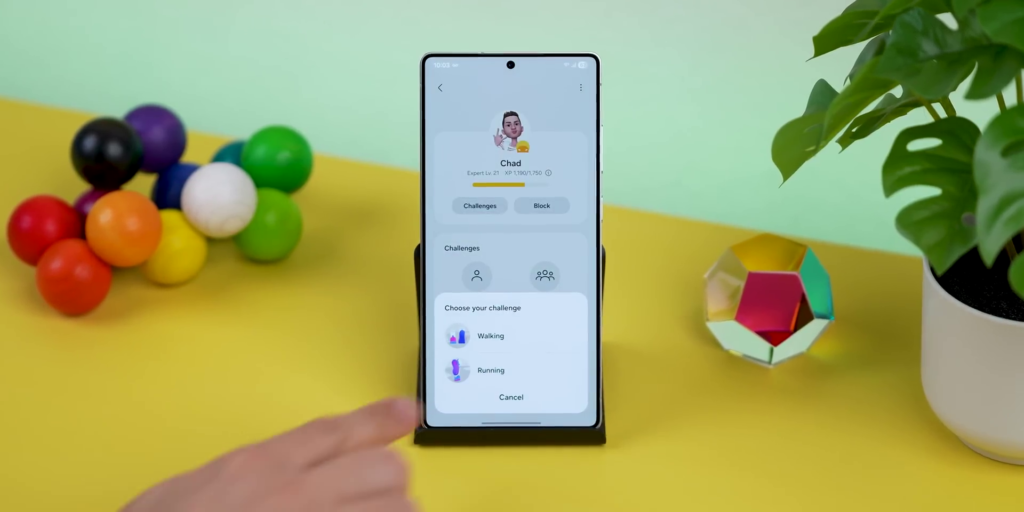
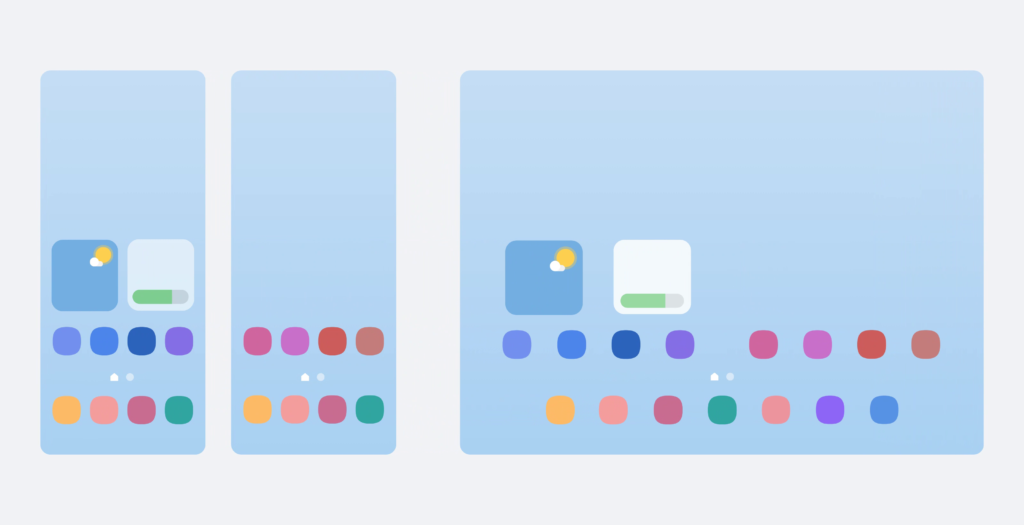
One UI 8.5 running Android 16 provides fine-grained modification over interface elements, whereas iOS 26 just restricts it.
Instead of utilizing Apple’s suggested grid format, users may personalize icons, swap default applications to their preferred ones, and arrange home screens however they see appropriate.
With Good Lock, power users may carefully tweak lock screen widgets, notification density, status bar style, and interface animations.
This freedom will appeal to consumers who are bored of iOS’s limited walled garden. Icon shape, size, transparency, and color are now user-adjustable properties rather than predetermined design decisions.
The formal release of the Galaxy S26 Ultra and its siblings, the Galaxy S26+ and Galaxy S26, will be honored with a Galaxy Unpacked event on February 25, 2026.
With this presentation, Samsung has reverted to a well-known lineup after contemplating a variety of models, such as the S26 Pro and S26 Edge.
Given the competitive market and the cost of the Apple iPhone 17, Samsung is anticipated to keep the Galaxy S26 Ultra’s low price of roughly $799.
Maintaining this price point is a tactic to attract clients in a highly competitive business.
Pre-orders for the Galaxy S26 Ultra will commence on February 26, 2026, the day following the Galaxy Unpacked event.
After this pre-order period closes on March 4, 2026, regular sales will commence on March 11, 2026.
This schedule provides Samsung a competitive edge by allowing it to recruit consumers before key competitors like Google and Apple debut their goods.
On January 29, 2026, Samsung will disclose additional information regarding its plans for the Galaxy S26 Ultra during its quarterly earnings call.
The company’s future strategy in the ever-evolving IT industry may be influenced by the event’s outcomes.
Reade More:
3 thoughts on “Samsung believes that the Galaxy S26 Ultra might at last offer a real 10-bit display.”
Pingback: Samsung Galaxy S26 Series: Satellite Connectivity and Major Upgrades Unveiled. - blog
Pingback: Samsung Galaxy S26 Ultra Prices Leaked And It Is Good News. - blog
Pingback: Samsung Galaxy S26 Ultra Violet Leak: Where Are Silver and Gold? - blog