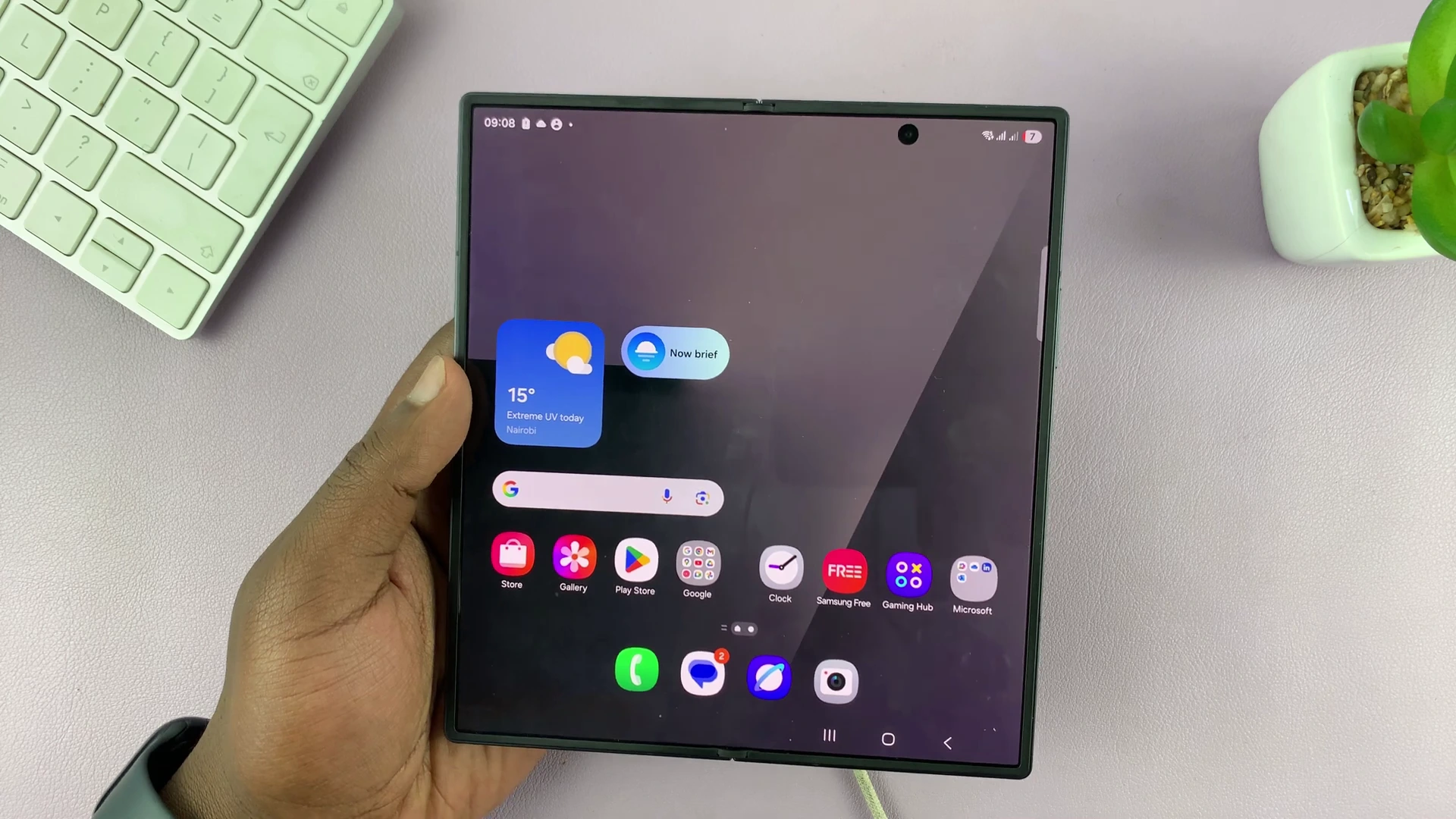
The Galaxy Release, Features, and What to Expect in 2026.
Samsung’s Galaxy Z Fold 8 is anticipated to launch in the summer of 2026, likely during the traditional July Unpacked event.
In 2025, the event was held on July 9, which was in line with the previous release as well.
Typically, the device becomes available to consumers around two weeks after the official reveal, though pre-orders are expected to open on the day of the announcement.
Meanwhile, Samsung is reportedly gearing up for the rising popularity of the upcoming foldables. According to rumors, the company plans to sell around 3.5 million Galaxy Z Fold 8 units.
Galaxy Z Fold 8 price and deals:
The Galaxy Z Fold 8 is expected to carry a high price tag as usual, and while no official pricing leaks have emerged, it would be surprising if it launched for less than $1,999.
The foldable technology is still expensive, and no manufacturer has come up with a true budget-friendly handset that bends and folds.
Meanwhile, we also have the rising prices of RAM chips influencing pricing. Samsung has already raised prices for its new Galaxy S26 lineup (for the Galaxy S26 Ultra, Samsung did raise prices only for the variants with more storage).
It’s likely that we may see a similar strategy here, so it’s possible there may be a price hike.
Galaxy Z Fold 8 camera:
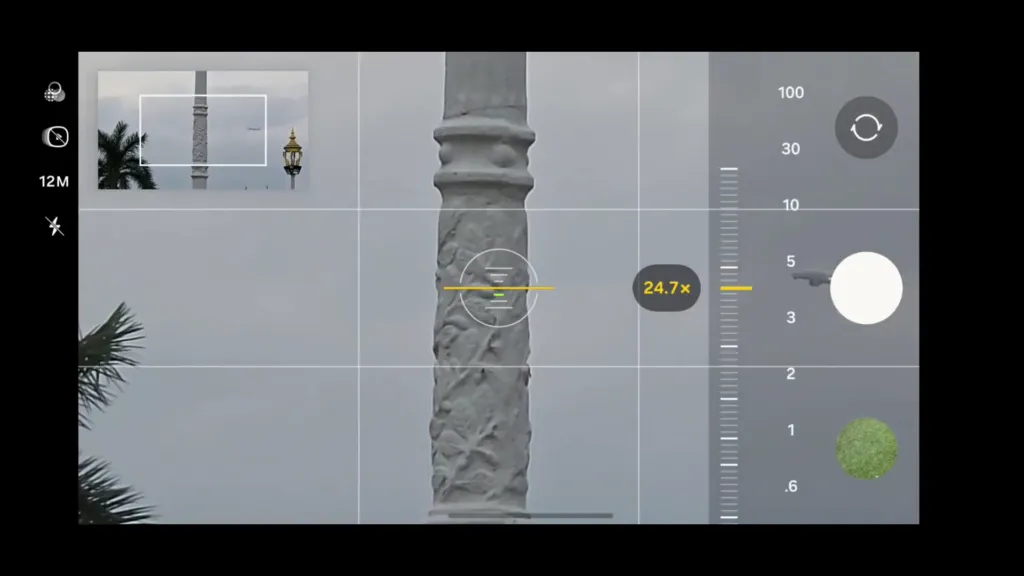
Rumors suggest that the Galaxy Z Fold 8 will get upgrades for two of its secondary cameras, with the ultra-wide lens possibly jumping from 12MP to 50MP and the telephoto lens increasing from 10MP to 12MP.
The 200MP primary camera, as well as the 10MP front and cover cameras, are expected to remain unchanged, reflecting the trade-offs Samsung makes to keep the foldable’s price manageable.
These improvements aim to bring the Z Fold 8 closer in camera performance to Samsung’s top non-foldable models.
Since this will be a Galaxy Z flagship, there’ll be numerous software optimizations and tricks for better shots.
Samsung may keep the impressive 200 MP main sensor, also used in the S25 Ultra, while introducing refinements in image processing, likely via an updated Pro-Visual Engine.
Users can anticipate faster performance, better low-light results, and improved motion detection for both photos and night video.
Samsung is also expected to continue integrating AI-powered tools tailored for the foldable’s large screen.
Features like Photo Assist, Portrait Studio, and Generative Edit may return with added functionality or improved results.
Tools for side-by-side editing and real-time comparisons should also be carried over, possibly with smoother performance and more intuitive controls.
Galaxy Z Fold 8 storage:
Samsung is expected to continue offering the Galaxy Z Fold 8 in 256GB, 512GB, and 1TB storage configurations.
As with the previous model, RAM will likely start at 12 GB, with a 16 GB option reserved for the top-tier 1 TB variant.
External storage is unlikely to return, as the lack of a microSD card slot has become standard across Samsung’s flagship lineup.
This means users will need to choose their storage tier carefully, since there won’t be an option to expand it later.
Galaxy Z Fold 8 design:
Based on a very early leak, the Galaxy Z Fold 8 is likely to lack titanium in its chassis.
After introducing a titanium backplate on the Fold 7 for improved rigidity and reduced weight, Samsung may return to carbon fiber-reinforced plastic (CFRP) in this year’s model.
The possible switch away from titanium may not be a deliberate choice, as supply constraints could push Samsung to use more accessible materials like CFRP, previously employed in older Fold models.
If this change occurs, the Fold 8 might lose some of titanium’s premium feel and structural advantages. However, no final decision has been made, and Samsung is likely still exploring its options.
The company is expected to continue refining the Galaxy Z foldable design, building on the improvements of the Fold 7.
It will be interesting to see if the device could reach a weight of around 215 grams, lighter than the S25 Ultra, while maintaining a folded thickness near 8.9 mm and an unfolded thickness around 4.2 mm, unless Samsung achieves small further reductions.
The information so far is contradictory: a bonkers report has it that the Z Fold 8 might drop to 200 grams, but you should definitely take that with a pinch of salt.
Durability will likely remain a focus. The Fold 7’s upgraded Armor Flex-Hinge and multi-rail structure helped reduce screen creasing while boosting strength.
Samsung may stick with or slightly improve this system, along with its Advanced Armor Aluminum frame, which was 10% stronger in the Fold 7.
There are rumors that Samsung is expected to use a new “laser drilling” technology on the Galaxy Z Fold 8, the same tech Apple has been developing for its foldable iPhone.
This could let Samsung achieve a crease-free screen before Apple, removing one of the iPhone Fold’s main advantages.
Color options for the Fold 8 will probably include a mix of new and returning finishes, along with a couple of online exclusives through Samsung’s official store as usual.
Meanwhile, Samsung is said to be working on another type of foldable phone (reports refer to it as the Galaxy Z Fold Wide) to introduce together with the Fold 8.
Read more: