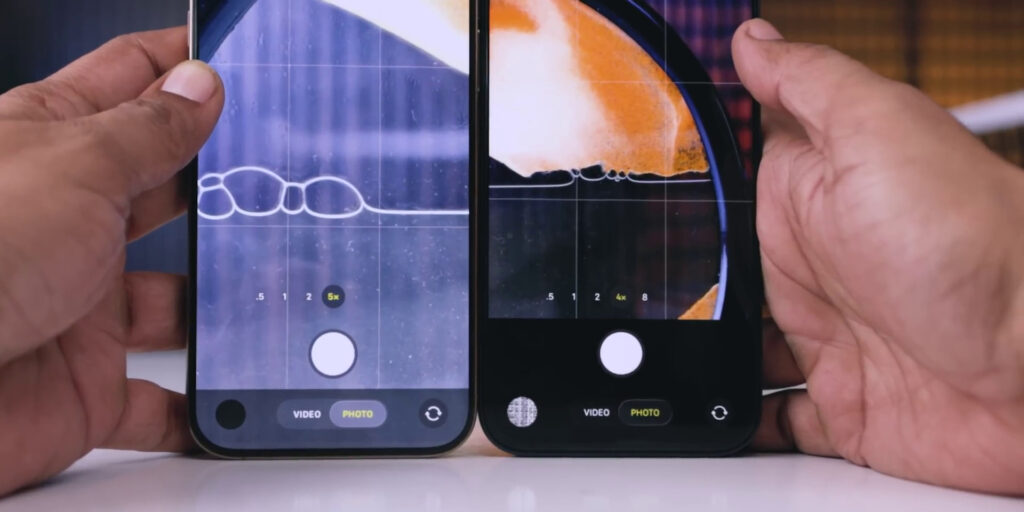
iPhone 18 Pro Max vs iPhone 15 Pro Max: One thing is: Apple is launching the iPhone 18 Pro Max this fall. Even if the iPhone Fold steals most of the keynote oxygen, the conventional Pro Max is still Apple’s volume hero, the model that tends to ship with the company’s best camera stack, the fastest silicon, and the longest battery life.
For iPhone 15 Pro Max owners, the question is less about need and more about timing. The 15 Pro Max is nearing three years old, which puts it squarely in the traditional upgrade window. At the same time, it remains a thoroughly modern phone in everyday use, with a strong camera, excellent display, and enough performance headroom to feel current.
Below is what we expect the iPhone 18 Pro Max to change, and where the iPhone 15 Pro Max will still hold its ground.
Why this comparison matters in 2026
Apple’s Pro Max upgrades rarely hinge on a single headline feature. They compound: small gains in display efficiency, a new chip node, tweaks to camera optics, and modem integration that quietly improves battery life. That pattern matters here because the iPhone 18 Pro Max is expected to be a multi-generation leap over the A17 Pro era.
It also matters because Apple Intelligence raised the baseline for “enough” RAM and sustained performance. The iPhone 15 Pro Max meets today’s requirements, but the iPhone 18 Pro Max is expected to push well beyond them, especially for on-device AI tasks, video workflows, and long-term iOS support comfort.
Design and size: aluminum returns, titanium ages well
Expect the iPhone 18 Pro Max to look a lot like the iPhone 17 Pro Max: an aluminum build and a more pronounced camera plateau that holds the triple-camera array, flash, and LiDAR. The open question is durability. The iPhone 17 Pro/Pro Max camera plateau reportedly picked up dings and chips more easily, which tracks with aluminum being softer than titanium.
By contrast, the iPhone 15 Pro Max was Apple’s first titanium iPhone, and it still feels premium in a way that’s hard to quantify on a spec sheet. It also has the older, more compact camera island that many people find cleaner.
On size, the iPhone 18 Pro Max is expected to stay around 8.75 mm thick, while the iPhone 15 Pro Max is thinner at 8.25 mm. Weight may rise as well: the 15 Pro Max is 221 g, while the 18 Pro Max may match or exceed the 231 g of the 17 Pro Max.
Color is another pivot. The rumored hero shade for iPhone 18 Pro Max is Dark Cherry, with other expected finishes like Light Blue, Dark Gray, and Silver. The iPhone 15 Pro Max lineup was more restrained: Black, White, Blue, and Natural Titanium.
Display: bigger panel, brighter peak, smaller Dynamic Island
The iPhone 18 Pro Max is expected to move to a 6.9-inch Super Retina XDR OLED, up from 6.7 inches on the iPhone 15 Pro Max. Part of that is size, part is thinner bezels.
Brightness is the more meaningful day-to-day change. The iPhone 15 Pro Max peaks around 2,000 nits outdoors; the iPhone 18 Pro Max could push beyond 3,000 nits, improving visibility in harsh sunlight.
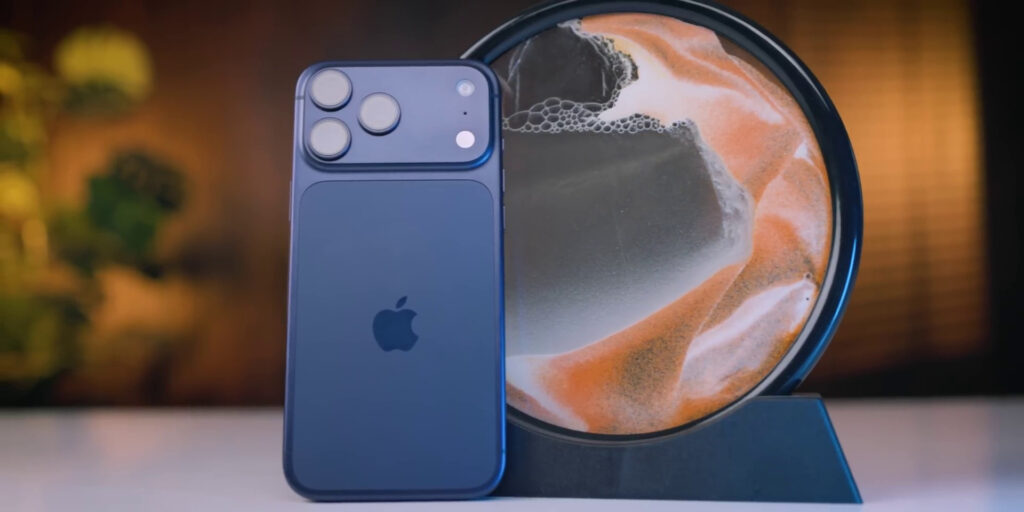
Apple may also introduce LTPO+ to improve power efficiency through tighter control of display emission. And the most visible upgrade: a smaller Dynamic Island. Reports point to a roughly 40% reduction, with the left Face ID module shrinking significantly, making full-screen video and gaming feel less interrupted.
Performance and software: A20 Pro, more RAM, iOS 27
The iPhone 18 Pro Max is expected to ship with a 2 nm A20 Pro, a major process jump from the A17 Pro in the iPhone 15 Pro Max. That should translate into both raw performance gains and better efficiency under sustained load.
Connectivity may improve via an Apple C2 modem, a step toward tighter hardware integration and, typically, incremental battery savings. RAM is also set to climb: 12 GB on iPhone 18 Pro Max versus 8 GB on iPhone 15 Pro Max, which is currently the floor for Apple Intelligence features.
Storage will likely start at 256 GB and scale through 512 GB and 1 TB on both phones, but the iPhone 18 Pro Max could add a 2 TB option. Software-wise, iOS 27 will ship on the iPhone 18 Pro Max, while the iPhone 15 Pro Max should receive it too, likely the same September window.
Cameras and battery: variable aperture, bigger cell, faster charging
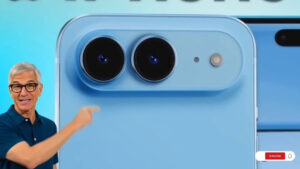
Camera hardware is where iPhone 18 Pro Max could feel genuinely new. Expect three 48 MP rear cameras, but the standout is a rumored variable aperture main lens. That could open wider in low light or portraits for softer backgrounds, and stop down in bright light for sharper detail and more reliable focus.
The iPhone 15 Pro Max remains strong: a 48 MP main camera with a large 1/1.28-inch sensor and Apple’s first Pro Max 5x telephoto, backed by 12 MP secondary cameras.
Up front, iPhone 18 Pro Max may jump to an 18 MP Center Stage camera, up from 12 MP, improving video calls and wide-angle selfies.
Battery is expected to be huge: over 5,100 mAh, potentially near 5,200 mAh, versus 4,422 mAh on iPhone 15 Pro Max. Charging should remain up to 40 W wired on the 18 Pro Max, compared to about 25 W on the 15 Pro Max. MagSafe also improves: 25 W MagSafe 2.0 versus 15 W on earlier MagSafe.
Should iPhone 15 Pro Max owners upgrade?
The iPhone 18 Pro Max should win on performance, battery life, display brightness, and likely camera flexibility. The iPhone 15 Pro Max still wins on feel: thinner, lighter, and titanium-built, with a design many prefer.
If your iPhone 15 Pro Max battery is healthy and you’re not chasing the newest camera features, waiting is reasonable. If you’re buying new this fall, the iPhone 18 Pro Max is the safer long-term bet.
Conclusion
The iPhone 18 Pro Max is shaping up to be a classic Apple upgrade cycle: not a reinvention, but a meaningful accumulation of improvements. A20 Pro on 2 nm, 12 GB of RAM, a brighter and more efficient display with a smaller Dynamic Island, and a variable-aperture main camera add up to a noticeably more capable phone.
The iPhone 15 Pro Max, though, remains far from obsolete. It’s still fast, still premium, and still takes excellent photos. Upgrade if you want the latest hardware or your usage has outgrown the 15 Pro Max; otherwise, you can comfortably hold on and skip a generation.
Read More1