
A fresh iPhone leak is making noise for a reason that sounds boring at first: CAD files. A tipster on X claims new CAD drawings for the iPhone 18 Pro and iPhone 18 Pro Max have surfaced, and they point to a smaller Dynamic Island. If you only care about how phones look, that’s already interesting. If you care about what Apple is changing under the glass, it’s a lot bigger than cosmetic.
CAD files are the blueprints case makers depend on. When accurate measurements show up early, it often means the supply chain already has the shape locked. Accessory companies don’t gamble on tooling unless they believe the dimensions are real.
The CAD leak and why accessory makers care
The headline detail is at the top of the display. In the leaked drawings, the pill-shaped cutout looks noticeably narrower than the Dynamic Island Apple has used since the iPhone 14 Pro. Some observers think the cutout may be slightly taller, though that could be perspective or scaling in the images. What stands out is width.
That matters because width is where Apple “parks” the sensor stack. If Apple can relocate even part of that hardware under the display, the visible opening can shrink without changing how Face ID and the front camera behave. There’s also recurring chatter tying this kind of rearrangement to Touch ID-related components, though nothing is confirmed. The simplest takeaway is still the most important: fewer parts needing an open window equals a smaller window.
What a narrower Dynamic Island could really mean
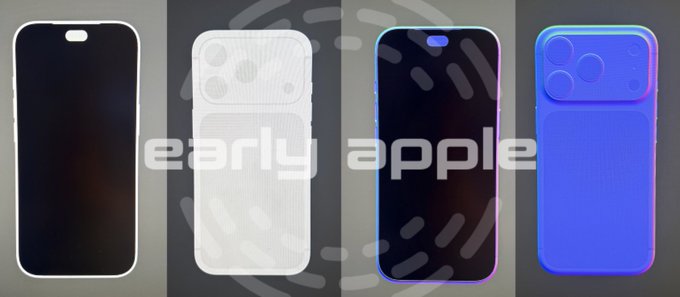
A smaller Dynamic Island changes the iPhone’s face in a way you notice constantly. The current pill is one of the most eye-catching elements on the front of the device. Narrow it and the screen feels cleaner immediately, even if the overall display size stays the same.
That affects more than aesthetics. A tighter cutout makes full-screen video feel more immersive, especially with letterboxed content where your attention naturally drifts to the top edge. It also helps in landscape gaming, where UI elements often crowd the corners. Even a few millimeters back can reduce the sense that something is “in the way.”
There’s also a branding angle. The iPhone 18 Pro line is widely expected to keep a rear design that looks very close to its predecessor. If Apple wants a day-one visual refresh without reworking the whole chassis, the front is the most efficient place to do it. A smaller cutout becomes the signature change you can recognize across a room.
Cases, thickness, and the camera hardware tradeoff
Leaked case images for the iPhone 18 lineup add another layer, and they raise an awkward question. Some reports suggest a new release cadence where the base iPhone 18 might arrive later, potentially spring 2027. So why are “vanilla” iPhone 18 cases appearing alongside Pro accessories? Either the schedule isn’t final, or accessory makers are preparing for multiple launch possibilities.
Even with that uncertainty, the case leaks reinforce a key point: the Pro models look familiar. Button placement, overall outline, and the camera bump region appear consistent with Apple’s current design language.
The more consequential detail is thickness. Rumors suggest the iPhone 18 Pro models could be slightly thicker to accommodate a 48-megapixel variable-aperture camera system. Variable aperture is a straightforward concept: the lens can physically adjust how much light it lets in. That can improve low-light flexibility and offer more control over depth and exposure, without leaning as heavily on computational tricks.
But hardware needs space. If Apple adds moving parts or a more complex lens assembly, the chassis may grow by a hair. And a hair matters in the accessory world. Slightly altered dimensions can mean iPhone 17 Pro cases won’t fit iPhone 18 Pro models, which drives the familiar annual cycle of new cases, new screen protectors, and new add-ons.
Another subtle thread: one render suggests the gap between the rear glass cutout area and the camera bump could be smaller. The source couldn’t confirm whether it reflects a new direction or an older design. Still, it fits earlier talk from a Weibo leaker, Instant Digital, claiming Apple may use a process to reduce color mismatch between rear glass and the aluminum frame. Refining finishes often goes hand in hand with refining seams.
Price talk, release timing, and the real “cost” of flat prices
Pricing rumors add a fourth thread. One analyst report claims Apple may aim to keep starting prices flat: $1,099 for iPhone 18 Pro and $1,199 for iPhone 18 Pro Max in the US, with 256GB storage and 12GB RAM holding steady.
That’s notable because memory costs have been rising across the industry, driven partly by huge demand from AI infrastructure. Apple has even warned about higher memory costs on an earnings call. If prices stay flat anyway, Apple either absorbs the increases or finds savings elsewhere. Reports point to cost reductions in parts like displays and cameras, which doesn’t automatically mean worse quality; it can also mean better yields and better sourcing.
The catch is timing. If the rumored release plan holds, fall 2026 could bring only the Pro models and a new foldable, with cheaper models pushed to spring 2027. That would make the lowest-priced “new” iPhone for the holiday season a four-digit purchase. Also watch storage tier pricing: companies often keep the headline starting price steady while making 512GB and 1TB upgrades more expensive.
What to watch next
The next wave of leaks should clarify everything: more CAD confirmations, case listings with precise measurements, and component talk about under-screen sensors. When those line up across multiple sources, the picture sharpens quickly.
Conclusion
If the CAD files are accurate, Apple is preparing a very Apple-style update: a familiar body, meaningful internal changes, and one small visual tweak you’ll notice every day. A narrower Dynamic Island would instantly modernize the front, while camera upgrades could explain a slightly thicker build and fresh accessory fit. And even if Pro prices stay flat, the real pinch could be fewer affordable new options until 2027.
Would you accept a slightly thicker phone for a cleaner cutout and a more flexible camera? Which change would matter more to you, and why?
Read More!