Apple’s iPhone Air experiment in 2025 proved something important: there’s still room to rethink what an iPhone should prioritize. Instead of chasing maximum camera count or the biggest battery, the Air focused on thinness and structural ingenuity, and it did it with surprising competence.
Now, leaks and industry chatter suggest Apple is still planning an iPhone Air 2, but it may arrive as a noticeably revised formula. Below is a practical roundup of what we know so far, what’s likely, and what would address the biggest criticisms of the original Air.
The 2025 iPhone Air was an engineering flex
The 2025 iPhone Air landed with a headline number: 5.5 mm thickness. That is extremely slim for a modern flagship with a large display, and it forced Apple to rearrange the internal layout in a way people could actually feel in daily use.
The core idea was simple: keep the main body thin and distribute key components into a raised camera plateau at the top. That plateau wasn’t just for optics; it reportedly housed the A19 Pro and supporting components alongside the main rear camera. The chassis material also mattered. Titanium helped the phone feel rigid and premium despite the thin profile.
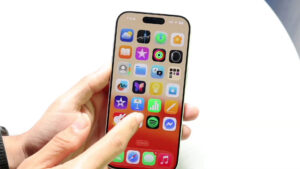
On the front, the Air didn’t act like a compromise device. It offered a 6.5-inch ProMotion display that looked every bit “high-end,” with smooth scrolling and strong brightness. And battery life, while widely assumed to be the weak point, reportedly held up better than expected, matching the iPhone 16 Pro’s endurance even though the 16 Pro was substantially thicker.
The complaints were more about tradeoffs versus the regular iPhone line. At $799, the iPhone 17 base model offered two rear cameras (wide plus ultra-wide), a slightly larger battery, and stereo speakers. The Air, at $999, asked buyers to pay more while giving up an ultra-wide lens and bottom speaker, which made the value equation harder to defend.
Dual cameras and stereo sound may finally arrive
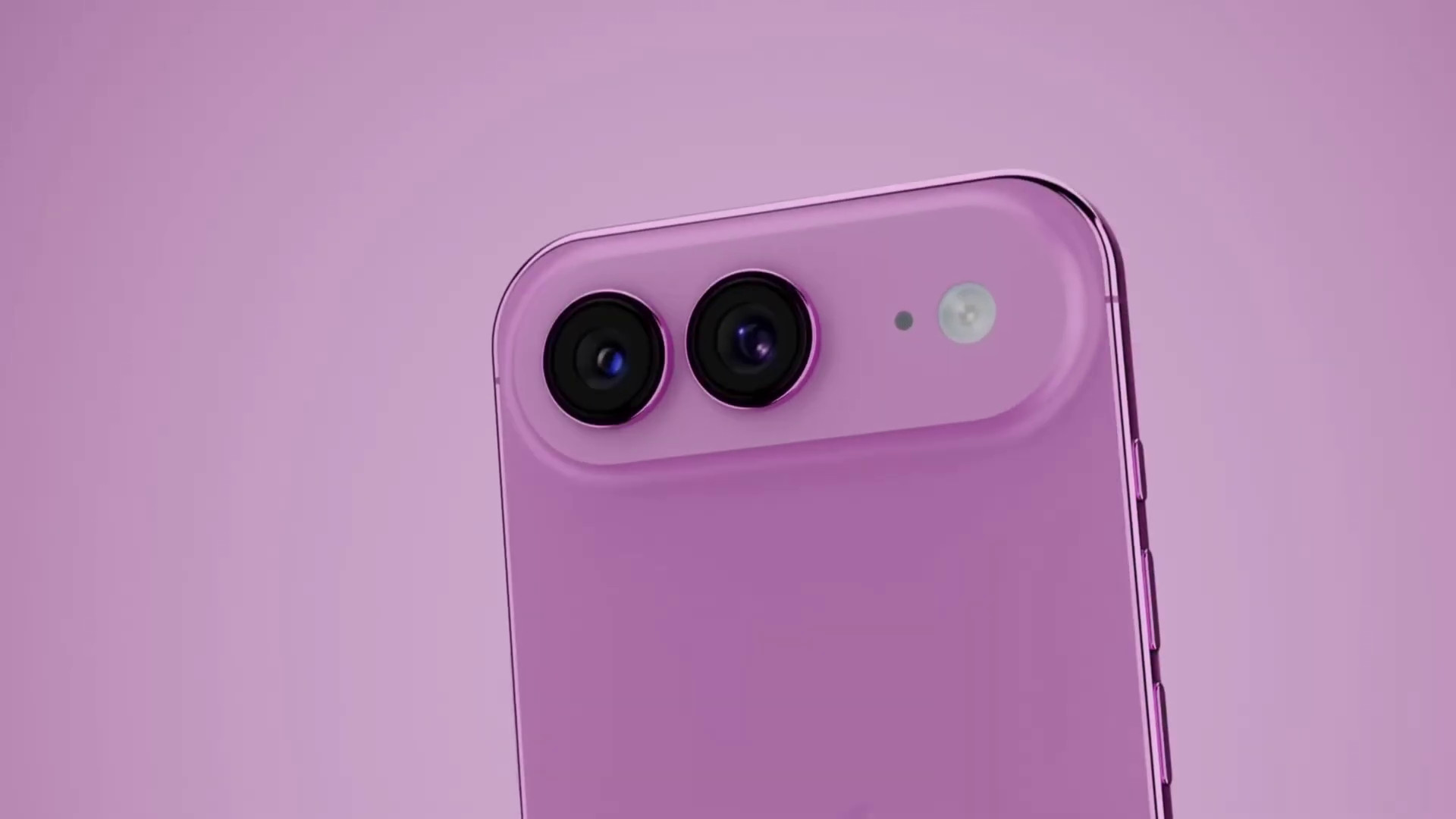
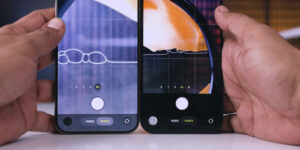
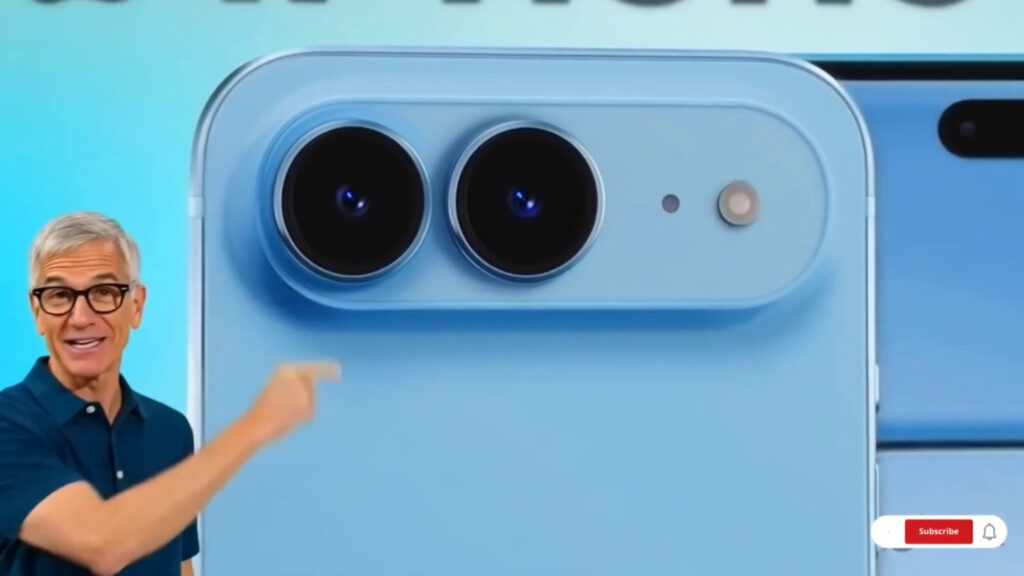
If the leaks are right, Apple intends to fix the most obvious “why is this missing?” features on iPhone Air 2. First: a second rear camera. The expected addition is an ultra-wide lens alongside the main wide camera. That immediately makes the Air easier to recommend for travel, indoor shots, and everyday group photos.
There’s also talk that both cameras could be 48-megapixel class sensors, similar in spirit to Apple’s recent “Fusion” approach: high-resolution capture, flexible crops, and improved computational photography. Don’t expect a flagship telephoto system here. The Air line is still likely to prioritize thinness, meaning zoom will probably remain closer to what you’d see on a regular iPhone rather than a Pro Max.
Second: stereo speakers. The single-speaker setup on the 2025 Air was a frequent complaint because it affects video watching, speakerphone calls, and casual listening. Adding a proper second speaker would be a quality-of-life upgrade that makes the Air feel less like a “concept phone” and more like a well-rounded daily driver.
Battery improvements will likely come from efficiency
The battery itself may not grow much. Rumors suggest a small bump at best, perhaps around 100 mAh. The bigger gains are expected to come from silicon.
The next-generation A20 and A20 Pro are widely rumored to move to a 2-nanometer manufacturing process. Shrinking the process can improve performance per watt, helping real battery life even if the physical battery barely changes. Add to that an updated cellular modem—often referred to in leaks as C2 or C2X—building on the C1/C1X work in the current Air. Modems are major power consumers, so incremental efficiency there can translate into meaningful hours over a day.
Put together, it’s plausible the iPhone Air 2 could land closer to iPhone 17 Pro-level battery life than people would expect from a super-thin phone.
Price and release date: the 2027 question
Pricing is the awkward part. The current Air starts at $999, and discounts in some markets suggest demand didn’t fully match Apple’s hopes, even if it reportedly outperformed the older “Plus” tier it replaced.
Apple has two clear options. Keep a Pro-class chip and justify the $999 price. Or, use a standard A20 (still likely paired with 12 GB RAM in leaks) and lower the entry price by about $100. That would position the Air 2 as a thin, premium alternative that’s easier to choose over the regular iPhone.
Timing is also shifting. Instead of a September launch, reports increasingly point to March or April 2027, potentially alongside the iPhone 18 and iPhone 18e. With Apple also expected to focus on Pro models and a first foldable iPhone in the fall cycle, a split launch calendar would reduce crowding and give the Air its own spotlight.
Conclusion
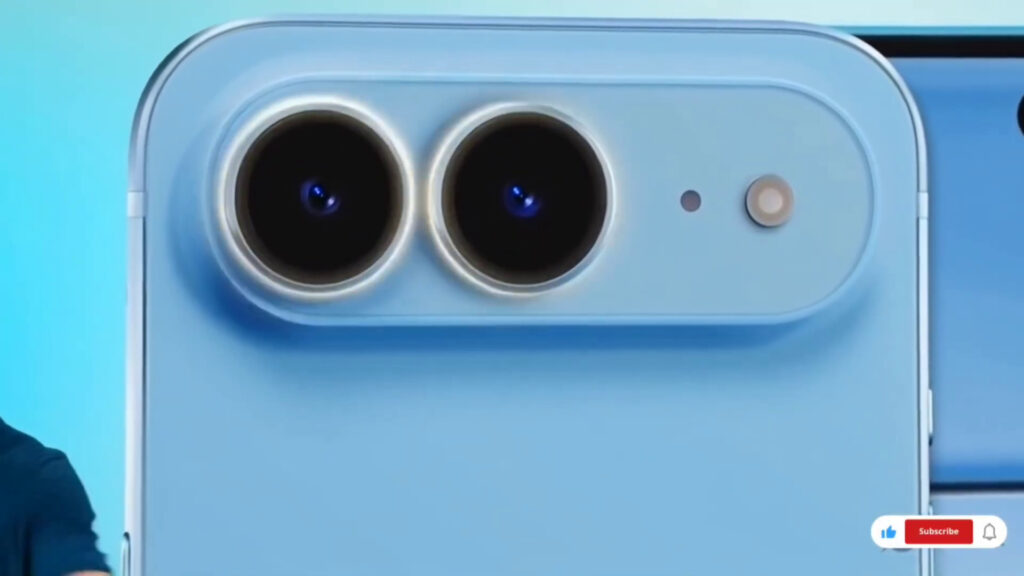
If Apple delivers dual cameras, stereo speakers, and better efficiency without losing the Air’s signature thinness, iPhone Air 2 could become the version many people wanted in the first place: stylish, practical, and not defined by missing basics. The biggest unknowns are price discipline and whether Apple can keep the Air special while making it easier to recommend to normal buyers. If you skipped the 2025 Air due to value concerns, 2027 may be the moment to look again.
Read More!