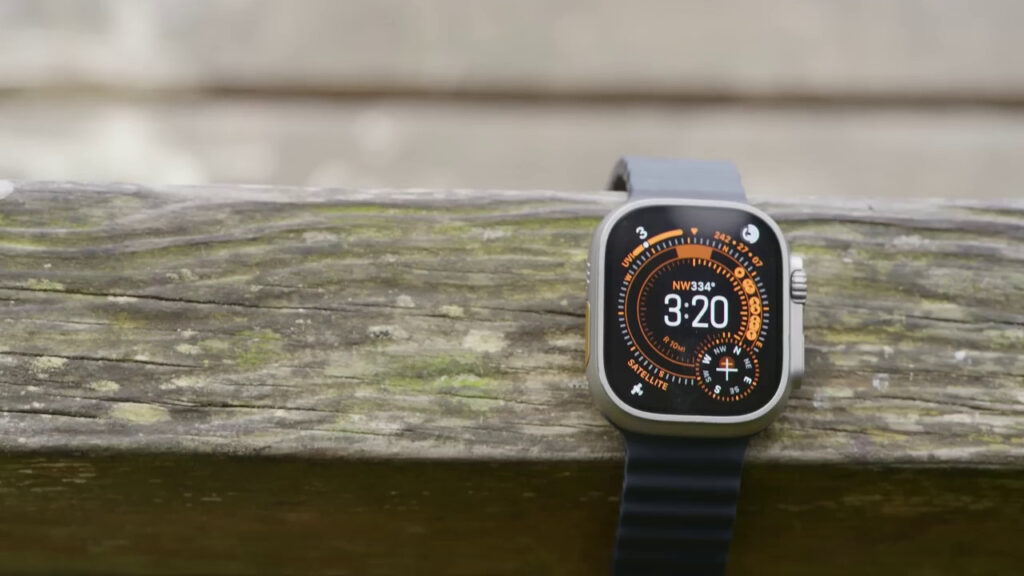
Apple Watch Ultra 4 rumors have been quiet so far, which is typical this early in Apple’s calendar. Still, a new report is starting to give the rumor mill something concrete to argue about: a significant upgrade to the device’s sensing hardware, paired with language that suggests a “full redesign.”
I’m interested in the sensor part, and skeptical about the redesign part. Apple does evolve its wearables year over year, but it rarely throws out a recognizable look right after establishing it. The Ultra line finally gave the Apple Watch a rugged identity that stands apart from the standard models. I don’t see Apple ditching that silhouette anytime soon.
What the latest Ultra 4 rumor actually claims
The latest chatter comes from DigiTimes, via 9to5Mac, and it leans heavily on “market expectations” and supply chain sourcing. The core claim is twofold: the Watch Ultra 4 will get a meaningful sensing upgrade, and it will arrive alongside a full redesign.
On timing, the rumor fits the general cadence. The Ultra 3 only launched last September, but the first Ultra lasted a single year before Ultra 2 arrived. If they sticks to its annual September rhythm, Ultra 4 would be a reasonable bet for this year’s event.
The supplier angle is also telling. DigiTimes suggests a redesigned sensor array could drive a large volume of orders for Taiwan-Asia Semiconductor. That kind of detail doesn’t prove the feature set, but it does imply real manufacturing planning rather than pure wishcasting.
Why a bigger sensor array is plausible
Apple already does heart rate monitoring extremely well on the Ultra 3. In independent comparisons, including tests against chest straps like the Polar H10, the Ultra’s optical heart rate tracking can be impressively close to 1:1 during steady efforts. If Apple is upgrading sensors, it likely isn’t because heart rate is “bad.”
The more interesting target is blood pressure and broader cardiovascular risk. Apple has reportedly “cracked” hypertension-style alerts: not cuff-like systolic and diastolic numbers, but pattern detection over time that nudges users to seek proper measurement. That’s consistent with Apple’s cautious health approach, where clinical validation and regulatory clearance matter as much as feature marketing.
Meanwhile, Samsung’s blood pressure support has existed outside the U.S. for years, and it finally reached U.S. users on Galaxy Watch 4 and newer in March 2026, but with an important caveat: calibration against a traditional cuff every 28 days, with accuracy that can drift between calibrations. they may be aiming to avoid that user burden by leaning harder on hardware quality and long-term trend detection.
The “full redesign” claim: what I don’t buy
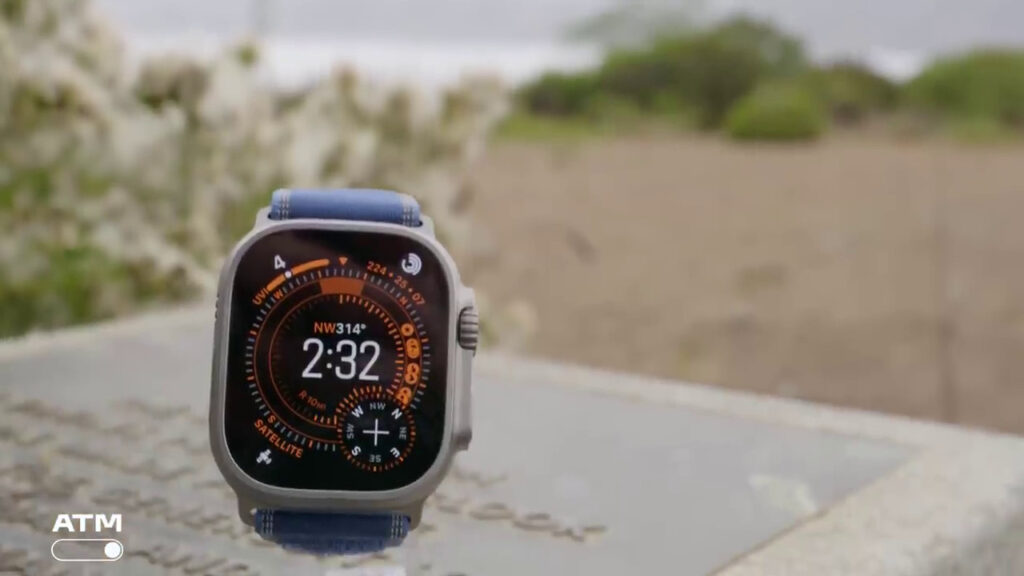
This is where I’m pressing “x” to doubt. Apple typically finds a shape that communicates identity and then refines it. Look at a decade of Apple Watch: the basic case language has stayed familiar even as displays expanded and internals changed. The Ultra series is already Apple’s big aesthetic departure, with the flat-ish sides, prominent crown guard, and action button telegraphing “outdoors” at a glance.
A true “full redesign” would mean Apple is willing to risk confusing the Ultra brand just as it’s become recognizable. That seems unlikely unless there’s a major constraint forcing it, such as a radically different sensor window, a big battery shift, or a new antenna layout for connectivity.
What I do believe is a redesign in Apple’s terms: small but meaningful changes. Think slightly slimmer, different materials, improved battery efficiency, and tweaks that make the watch feel newer without making it look unfamiliar from across a room.
What a sensor doubling could enable
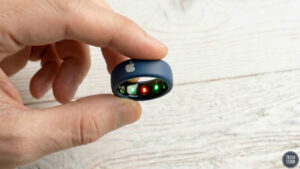
DigiTimes previously reported (back in August 2025) that at least one upcoming Apple Watch would significantly increase sensor components. The latest detail suggests the Ultra 4 could double the number of sensor elements versus Ultra 3, potentially using a ring-pattern arrangement on the back.
That matters because it hints at a shift from heavy algorithmic interpretation toward more direct measurement. More physical sensing elements could mean cleaner signals, fewer gaps during motion, and less compute needed to reach reliable outputs.
Practically, that could translate into more precise heart rate during intervals, more granular sleep stage data, and blood oxygen readings that are robust enough to reduce legal and regulatory headaches. It could also help battery life indirectly: if sensors capture stronger data, the system may not need to “work as hard” to smooth and infer.
Should you wait for Ultra 4 or buy Ultra 3?
If you’re on Ultra 1 or Ultra 2 and want a meaningful leap, waiting makes sense—especially if blood pressure-style insights or next-level sensor accuracy would change how you use the watch.
Buy Ultra 3 now if you need a smartwatch immediately, like the current design, or you’re prioritizing proven battery life (roughly 42 hours normal use, up to 72 in Low Power Mode). Also, the closer we get to September, the more likely discounts become, especially after an announcement.
Conclusion
The sensor rumor feels plausible because it matches where Apple is investing: credible health metrics that can stand up to scrutiny. The “full redesign” claim feels overstated, because Apple usually protects strong visual identity—especially for a premium line like Ultra.
Until we see corroboration from multiple sources, treat this as early noise with one promising thread: better sensors could matter more than a new look. If Apple delivers that, Ultra 4 doesn’t need to be visually dramatic to be a real upgrade.
read more.