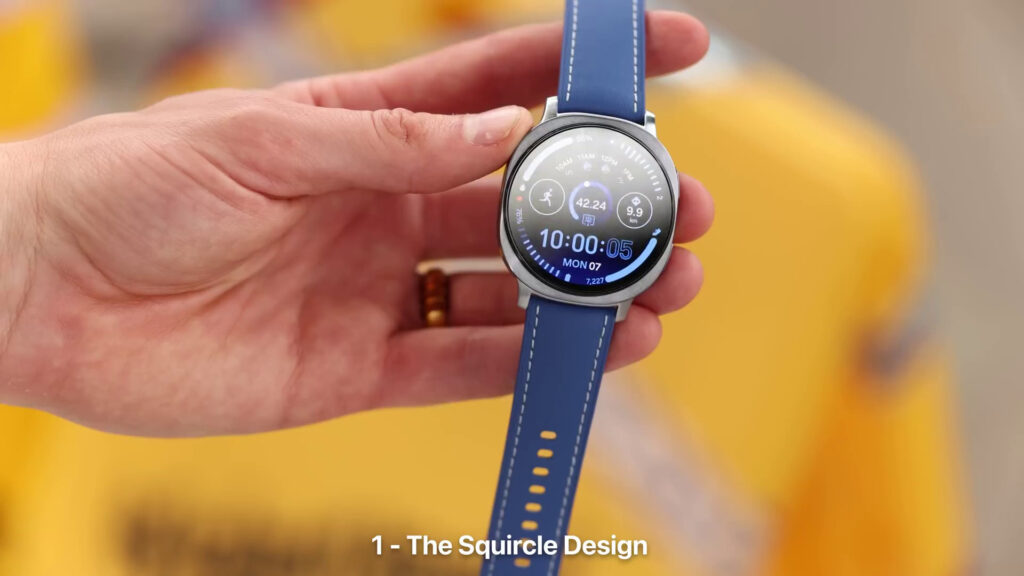
Recent leaks around Samsung’s upcoming Galaxy Watch 9 series are raising expectations for a meaningful refresh, especially for a rumored Galaxy Watch Ultra 2. While Samsung hasn’t confirmed specifications, the combination of regulatory filings, battery details, and platform updates points to a strategy focused on efficiency: longer runtime, faster performance, and smarter software.
At the same time, Google has announced Wear OS 7, which will roll out to partner devices, including Samsung’s Wear OS-based watches with One UI on top. Put together, the next Galaxy Watch generation looks less like a cosmetic update and more like a push to make day-to-day wearable use smoother and less charger-dependent.
What the latest leaks suggest
The current picture emerging from leaks is straightforward: Samsung is targeting the two pain points users complain about most—battery life and lag—without sacrificing the features that make a Galaxy Watch feel like a phone companion. Early information points to multiple case sizes for the standard Galaxy Watch 9, plus a higher-end Ultra model that prioritizes endurance.
If the leaks are accurate, the lineup will emphasize both raw capacity (bigger batteries) and better power management (software and silicon improvements). That combination matters because smartwatch usage patterns have changed: more always-on display time, more background health tracking, more notifications, and more on-wrist payments. Those features add up over a 24-hour cycle.
Wear OS 7: features heading to Galaxy Watch
Google unveiled Wear OS 7 at I/O, and Samsung users should pay close attention. Google says average users can expect up to a 10% battery life improvement after upgrading, thanks to software-side optimizations. That’s not a promise of multi-day use on its own, but it’s meaningful when paired with larger batteries and a more efficient processor.
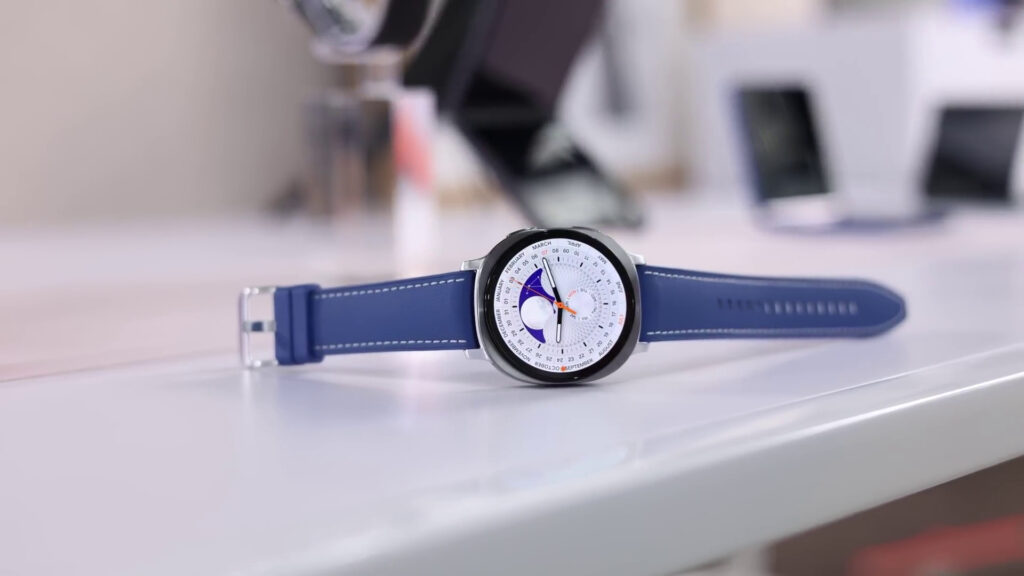
Wear OS 7 also introduces Wear Widgets, described as more flexible and dynamic, with two new card layouts designed to show more information at a glance. For power users, that could translate into fewer taps to check health metrics, timers, or commute details.
Another notable addition is Live Updates, which brings real-time information such as delivery tracking from a connected device onto the watch face experience. If implemented well, it reduces the need to pull out your phone during time-sensitive moments.
Google is also expanding customization for System Media Controls. Users will be able to personalize the auto-launch behavior on a per-app basis directly from the watch. Since Samsung heavily customizes Wear OS through One UI, there’s a strong chance Samsung will add additional layers of functionality or visual polish once it ships the Wear OS 7-based update.
Google hasn’t confirmed an exact release schedule, but a rollout before year-end looks plausible.
Battery upgrades: sizes, capacities, and expectations
Battery capacity remains the headline leak because it’s easy to quantify. The Galaxy Watch 9 is rumored to arrive in two variants: 40mm with a 382mAh battery and 44mm with a 435mAh battery. Those figures suggest Samsung is iterating rather than reinventing the standard models, aiming for incremental gains supported by better efficiency.
The more dramatic number is tied to the Galaxy Watch Ultra 2, which is rumored to pack a 784mAh battery. If true, that’s a clear pitch to users who track workouts, hike with GPS, or travel frequently and don’t want to top up daily.
The important detail is how Samsung balances capacity with consumption. A larger battery helps, but real-world longevity depends on display settings, background sensors, LTE use, and software optimization. With Wear OS 7 promising improvements and a new chip rumored, Samsung may be aiming for endurance that feels reliable rather than merely “acceptable.”
Certifications and testing: signs of an approaching launch
Regulatory movement often signals that a device is nearing completion. The Galaxy Watch 9 series has reportedly obtained battery certifications for three models from India’s Bureau of Indian Standards (BIS). That matters because certifications reflect safety and compliance work that tends to happen late in the product cycle.
Alongside certification reports, leaks suggest active testing is underway. For buyers, that’s a positive sign: extensive validation is where companies iron out battery drain bugs, sensor inconsistencies, and performance regressions. It’s also the phase where software features get tuned to match new hardware limits, especially around thermals and charging behavior.
Snapdragon Elite: why the rumored chip matters
Perhaps the most consequential rumor is that Samsung may use a Snapdragon Elite chip across the Galaxy Watch 9 series. If accurate, users could see smoother animations, faster app launches, and better multitasking—improvements that are immediately noticeable on a small screen.
Performance also ties directly to efficiency. A newer chip can complete tasks faster at lower power, reducing the “slow and draining” feeling that older wearables sometimes develop over time. Combined with Wear OS 7 optimizations, Samsung could deliver gains without forcing users to compromise on always-on display or continuous health tracking.
What to watch next before the announcement
Until Samsung confirms details, treat each leak as provisional. Still, the pattern is consistent: bigger batteries where it counts, platform-level battery gains from Wear OS 7, and a potential chip upgrade to improve responsiveness.
Watch for three things in the coming weeks: clearer model naming, charging speed details (often overlooked but critical), and whether Gemini Intelligence will be limited to new hardware or arrive on older Galaxy Watch models too.
Conclusion
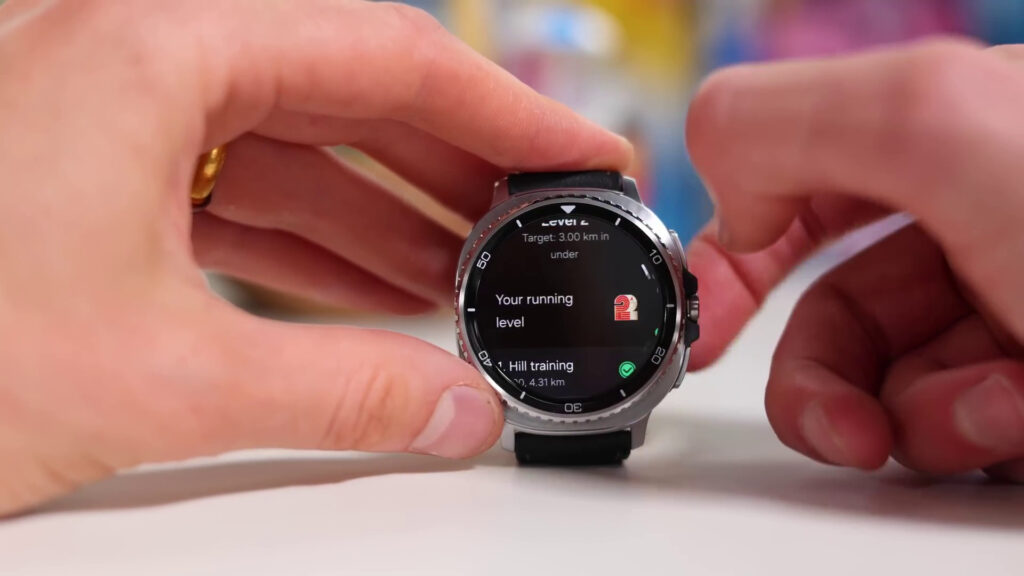
If the Galaxy Watch 9 and the rumored Ultra 2 land with the leaked battery capacities, Wear OS 7 features, and a meaningful processor upgrade, Samsung could set a new baseline for what “all-day” and “all-around” really mean on a smartwatch. For tech-focused buyers, the story to follow is efficiency: not just longer life, but a watch that feels faster, smarter, and more dependable every hour it’s on your wrist.
Read more!