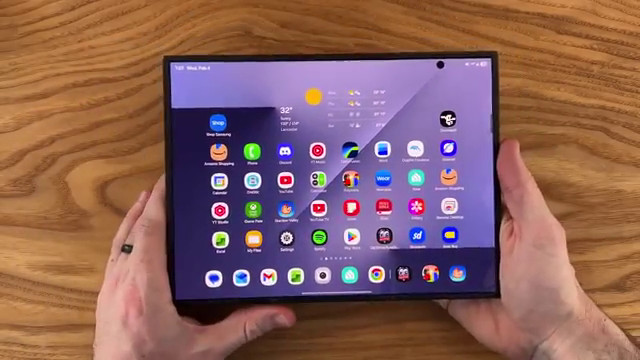
A new rumor, attributed to sources in Samsung’s supply chain, claims the company is already developing an entirely new hinge for the second-generation Galaxy Z TriFold. The goal sounds straightforward: make the next tri-fold thinner than the first. The execution, as always with foldables, is anything but.
For reference, the original Galaxy Z TriFold is said to land around 3.9 to 4.2mm when unfolded and about 12.9mm when folded. Shaving even a millimeter off a multi-fold stack typically requires rethinking several parts at once: hinge geometry, internal clearance, display layers, and the way the device closes under pressure.
Why a new hinge matters more than raw thinness
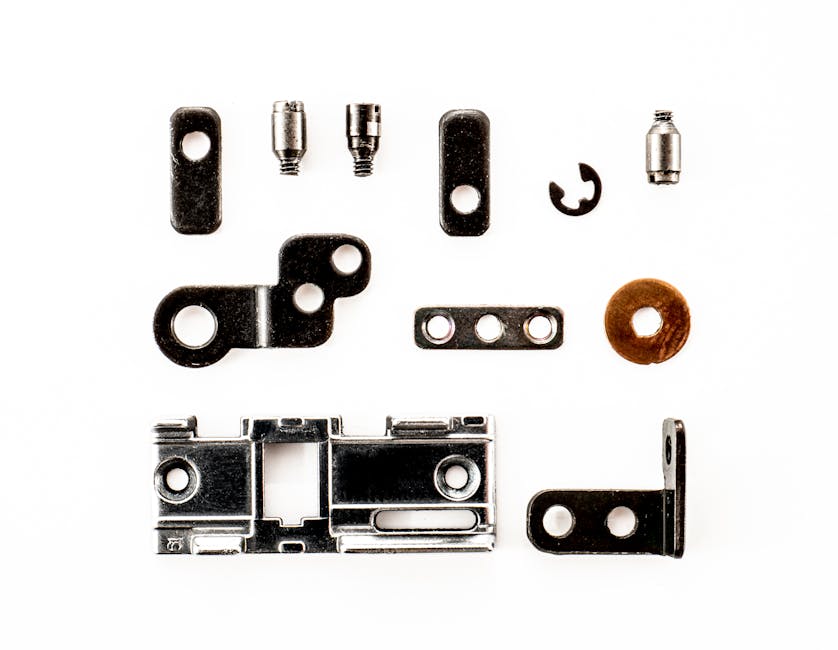
A thinner foldable is easier to pocket, but hinge changes are usually about more than comfort. A redesigned hinge can improve how evenly the screen bends, how tightly the device shuts, and how well it keeps dust and grit from working their way into moving parts.
That’s especially important for a tri-fold, where you’re dealing with more hinge complexity and more opportunities for uneven stress across the display. Samsung’s first TriFold already earned praise for feeling solid and durable in long-term use, even if availability was limited. The rumor suggests Samsung wants the TriFold 2 to feel just as reassuring while also slimming down the overall package.
The ripple effect across Fold and Flip models

The best part of the rumor is that Samsung’s hinge work may not stay exclusive to the TriFold line. The report claims a simplified but improved hinge design, with technical adjustments, could also arrive in the Galaxy Z Fold 8 and Galaxy Z Flip 8. There’s even a mention that a future Fold Wide could benefit later in the year.
This fits Samsung’s usual playbook. Big mechanical changes tend to start on a flagship concept device, then trickle down once manufacturing yields and long-term reliability look good. For buyers who have no interest in a tri-fold, this could still translate into practical improvements: a smoother open-and-close feel, less visible crease behavior over time, or a sturdier closure with fewer micro-gaps.
S Pen rumors and the tri-fold race with Huawei
Separate leaks have also raised the possibility of built-in S Pen support for the TriFold 2, potentially storing the stylus in or near the hinge. Patents describe ideas like magnetic retention, hinge-based charging, and sensors to confirm placement. It’s a productivity-friendly concept, but it also adds risk: inserting a stylus near a folding display introduces new chances for pressure damage or mechanical wear.
Timing-wise, some reports suggest the TriFold 2 may not arrive until 2027, leaving room for Samsung to refine both hinge engineering and any stylus approach, including digitizer-free pen tech. Meanwhile, the competitive pressure is real. Huawei is rumored to be preparing another tri-foldable, expected before the end of 2026, with “major design changes” aimed at improving style and appeal. If both companies iterate quickly, hinge quality and day-to-day usability may matter more than being first.
Conclusion
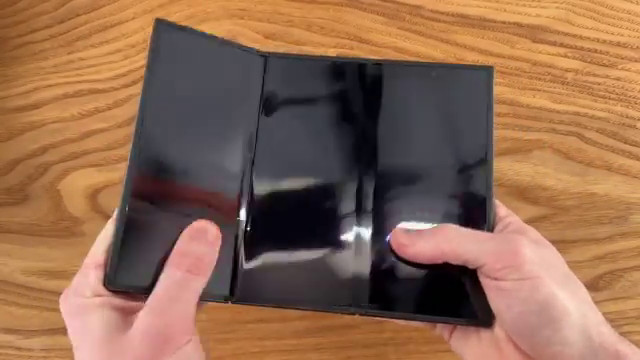
If the supply-chain rumor is accurate, Samsung’s “from the ground up” hinge effort signals that the TriFold 2 is being designed as more than a niche experiment. A thinner body, a more refined hinge, and the potential for shared improvements across the Fold and Flip lines would be meaningful upgrades for regular buyers, not just foldable enthusiasts.
For now, it’s all unofficial. But if Samsung pairs a broader global release with real mechanical progress, the TriFold 2 could be the model that turns tri-folding from curiosity into a product category people actually shop for.
Read More!