Samsung’s next foldables are nearing their usual summer reveal, and one model is suddenly getting more attention than the standard flagship. The Galaxy Z Fold 8 Wide (also referred to as the Galaxy Z Wide Fold in some reports) is rumored to reshape the series with a wider, shorter outer display and a more tablet inner screen. Now a leaked screen protector photo is offering the clearest hint yet of how that change may look in everyday use.
A screen protector leak isn’t as flashy as a full render dump, but it can be more honest. It’s anchored to physical cutouts and proportions that accessory makers must get roughly right to ship on time. And in this case, the cutout and overall geometry suggest Samsung is finally addressing the long-running complaint about the Z Fold line: when closed, it doesn’t feel like a normal phone.
The leak: a screen protector that tells a story
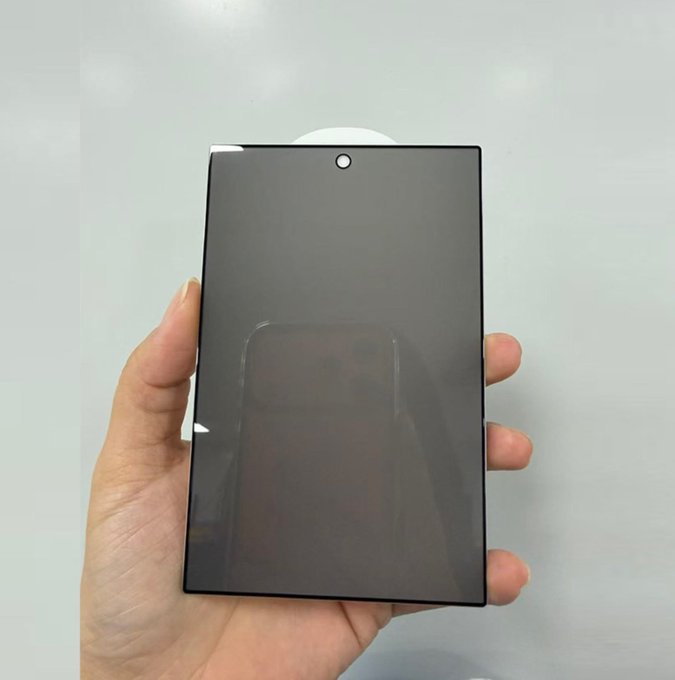
The leaked photo shows a cover-display protector held as if it were installed on a device. The visible shape indicates an external screen that’s wider and shorter than the traditional Fold footprint, with a punch-hole selfie camera at the top. It’s worth noting that other reports claim the final camera cutout will be smaller than what the protector suggests, implying Samsung may shrink the module or adjust its placement.
As always, a protector isn’t the whole design. Samsung foldables typically ship with thicker cover-display borders than their S-series slabs, and the final product will likely look a touch less edge-to-edge than an accessory template implies. Still, the proportions are the point: the Wide appears to move away from the tall, narrow “remote-control” profile that has defined the Z Fold since the beginning.
What “Wide” changes in real use
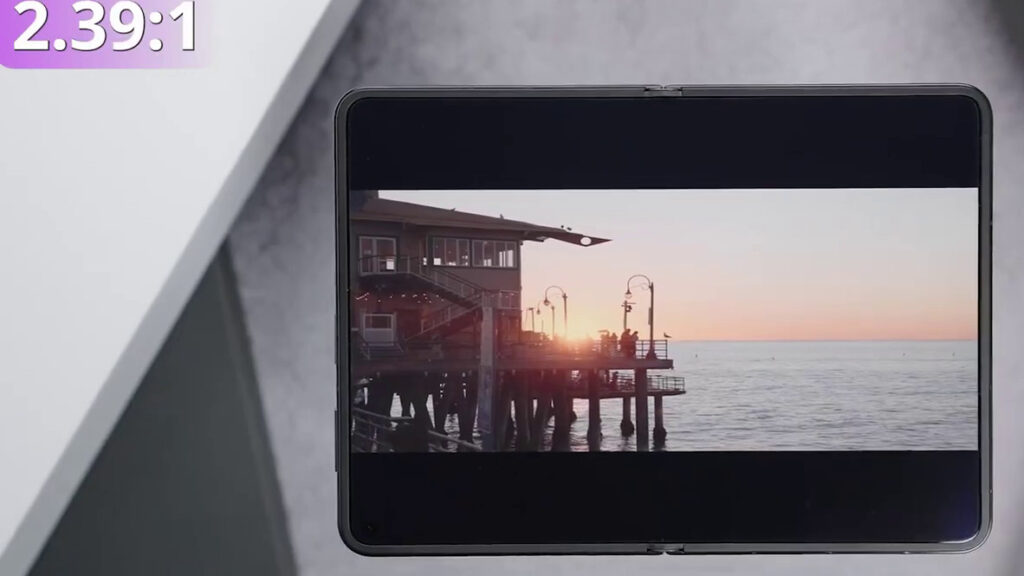
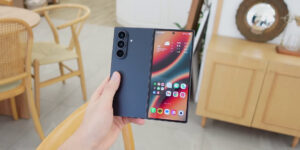
The Aspect ratio is the quiet detail that makes or breaks a foldable. On earlier Z Folds, the closed phone felt cramped for typing and oddly tall for scrolling, while the opened main screen tended toward a near-square shape that apps and video often didn’t love. A wider cover display should feel closer to a standard smartphone for messaging, maps, and quick camera use, reducing the friction of using the device without unfolding.
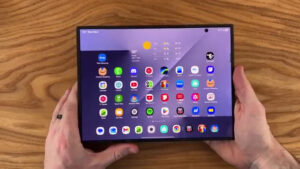
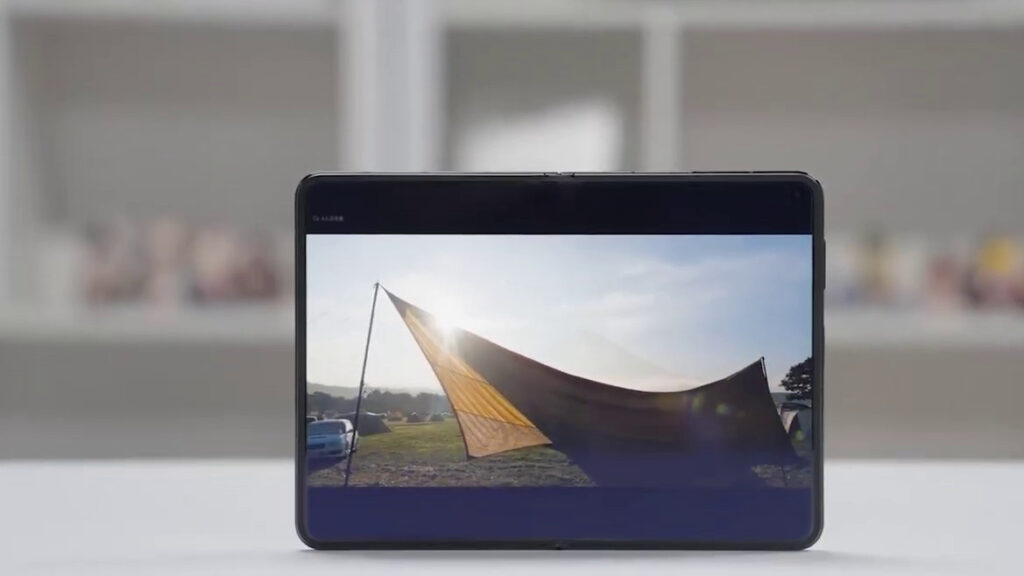
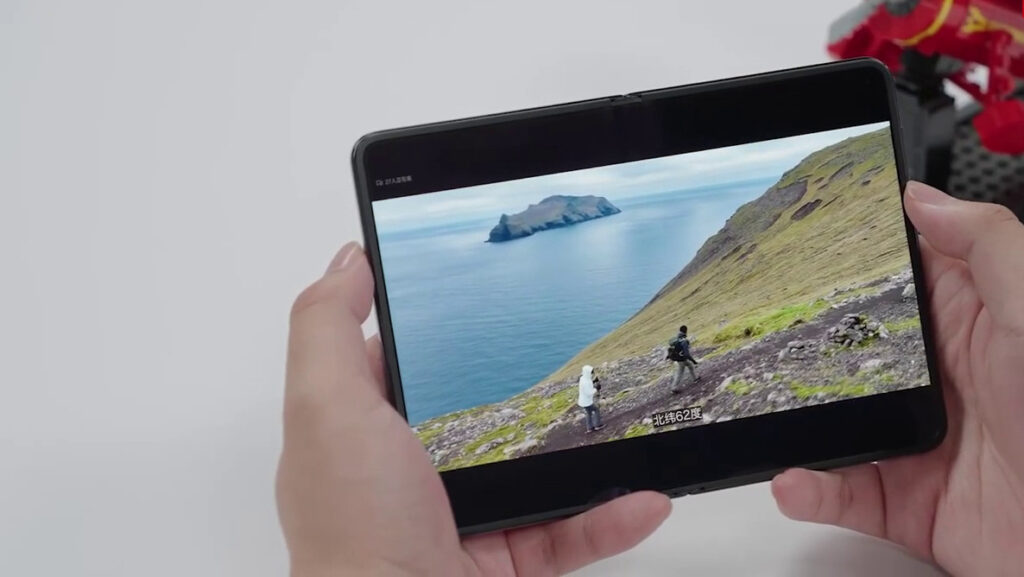
The bigger story is inside. The Galaxy Z Fold 8 Wide is rumored to land closer to a 4:3 aspect ratio when unfolded, a shape that’s familiar from tablets and productivity apps. For media, it should mean less awkward scaling and less wasted space than a square-ish panel. For multitasking, a wider canvas can make split-screen more comfortable: two columns that actually look like two usable apps, not two narrow strips.
This is also where Samsung’s software will be judged. A friendlier aspect ratio helps, but the experience depends on polished app continuity, sensible taskbar behavior, and predictable window sizing. If Samsung nails those details, the Wide could become the “default” recommendation for people who want a phone that genuinely turns into a small tablet.
Hardware rumors: battery, charging, and the chipset question
On specs, the rumors point to practical upgrades rather than headline-grabbing leaps. One report suggests a 4,800mAh battery for the Wide with 45W charging, a meaningful bump if you actually use a foldable the way it’s marketed: multiple apps, multi-window, and lots of screen-on time. For comparison, charging speed has been a persistent sore spot in recent Z Fold generations.
Performance may be less dramatic. If Samsung sticks with a Snapdragon 8 Elite-class chip (or similar tier, depending on region and final naming), that would still be ample for gaming, editing, and on-device AI features. The bigger question is memory. 12GB is expected, but a 16GB option would be a genuinely user-facing upgrade for heavy multitaskers, especially as apps keep expanding their background appetite.
There’s also talk that the Wide may have slightly less impressive internal hardware than the standard Fold 8 in at least some areas. Even so, one source claims internal testing suggests it “feels impeccable” to hold and use, which may end up mattering more than a spec-sheet win.
Cameras: the surprising two-lens bet
Perhaps the most controversial rumor is that the Z Fold 8 Wide could ship with two rear cameras instead of three, potentially dropping the telephoto and keeping a main plus ultrawide. On a device likely priced north of $1,000, that will sound like a downgrade to anyone shopping by checklist.
But there’s a real argument here: many phone telephoto implementations are used less than people expect, and the main camera still does the heavy lifting for most travel, family, and social photos. If Samsung reinvests that space and cost into battery, charging, weight balance, or durability, the overall product could become more livable. The key is price. Two cameras is easier to accept if the Wide is priced at or below the standard Fold 8.
Launch timing and why this design could stick
Samsung is expected to announce the Galaxy Z Fold 8, Z Fold 8 Wide, and Z Flip 8 in July, continuing its strategy of landing foldables ahead of Apple’s fall devices, including rumored iPhone 18 Pro models and a foldable iPhone Ultra. If Apple is indeed planning a wider, more tablet-like foldable, Samsung has every incentive to define that category first.
Even if the standard Fold 8 feels incremental, the Wide form factor reads like a directional change. If the leak reflects reality, Samsung may be closer than ever to a foldable that feels like two complete devices rather than one compromised shape.
Conclusion
The Galaxy Z Fold 8 Wide is shaping up as the more interesting Fold 8, not because it chases exotic features, but because it appears to fix the everyday ergonomics that have held foldables back. A wider cover screen, a more natural inner aspect ratio, faster charging, and a potentially simplified camera module all point to a more practical device.
Nothing is official until Samsung takes the stage, and accessory leaks can mislead at the edges. But if the Wide delivers the feel that early reports claim, it may be the first Z Fold that converts skeptics who’ve been waiting for a foldable that doesn’t ask them to compromise every time they close it.
Read More!