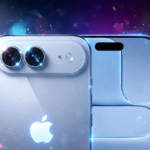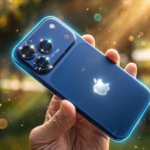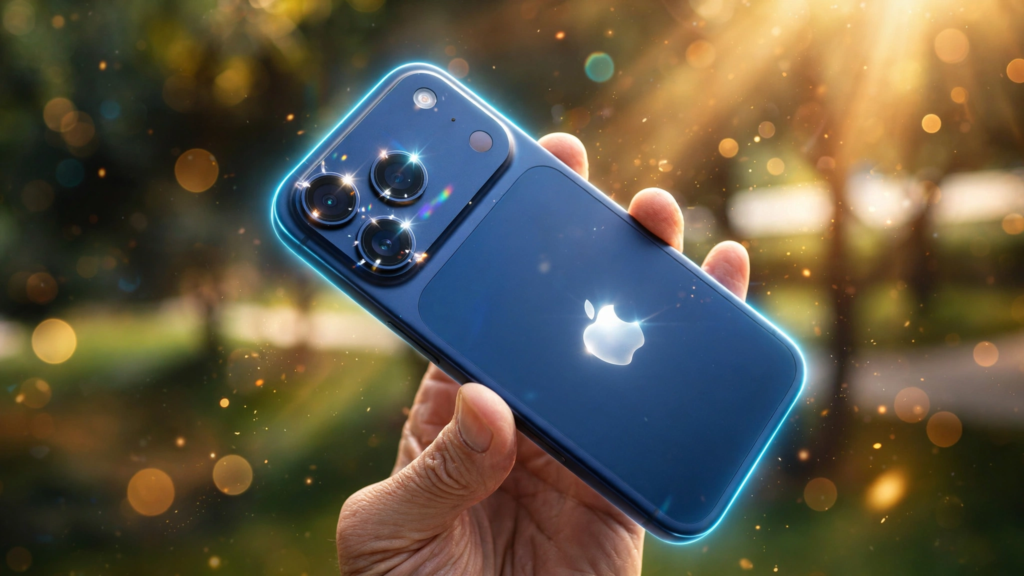

Every year, the tech world turns its attention toward Cupertino to see how Apple intends to redefine the modern smartphone experience. While recent iterations of the flagship lineup have offered incremental polish—subtle titanium shifts, minor camera upgrades, and refined software integrations—the early buzz surrounding the iPhone 18 Pro Max points to something fundamentally different.
Supply chain reports and insider leaks suggest that Apple is preparing a major generational leap. The iPhone 18 Pro Max is shaping up to be an uncompromising piece of hardware built for power users, creative professionals, and mobile gamers. However, this pursuit of raw performance and mechanical innovation comes with significant trade-offs: a record-breaking weight, a bulkier physical footprint, and a rumored price tag that pushes smartphone pricing into uncharted territory.
Here is an in-depth breakdown of the four game-changing features rumored for the iPhone 18 Pro Max, and what they mean for the future of mobile technology.
1. A Paradigm Shift in Mobile Optics: The Variable Aperture Main Camera
For years, smartphone camera hardware has been limited by a fundamental design constraint: a fixed physical aperture. While sensor sizes have grown larger and computational photography has bridged the gap between mobile phones and dedicated cameras, fixed lenses force a compromise. A wide fixed opening (like f/1.78) lets in plenty of light and creates a shallow depth of field, but it can cause naturally blurry edges when taking close-up shots of documents or large groups of people.
Apple is set to disrupt this status quo by introducing a physically adjustable variable aperture main lens on the iPhone 18 Pro Max.
+-------------------------------------------------------------------+
|                  VARIABLE APERTURE MECHANICAL LENS                 |
|                                                                   |
|   Wide Opening (e.g., f/1.4)         Narrow Opening (e.g., f/4.0) |
|      [ Maximum Light Capture ]           [ Deep Depth-of-Field ]  |
|      [ Natural Bokeh Effects ]           [ Edge-to-Edge Clarity]  |
+-------------------------------------------------------------------+
How Mechanical Aperture Changes the Game
Instead of relying entirely on software algorithms to fake background blur (Portrait Mode), the iPhone 18 Pro Max’s main camera will use physical blades to mechanically expand or contract the aperture opening.
- Low-Light Dominance (f/1.4 – f/1.6): In dim environments, the lens opens up wide, allowing maximum physical light to strike the sensor. This reduces image noise and eliminates the over-processed digital look caused by night-mode software enhancements.
- Cinematic Optical Bokeh: Photographers can achieve genuine, glass-based background blur with soft background light highlights, matching the organic look of a mirrorless DSLR.
- Macro and Group Shot Precision (f/2.8 – f/4.0): When shooting landscapes, group photos, or close-up subjects, the lens stops down. This expands the plane of focus, ensuring crisp, edge-to-edge sharpness without blurry falloff.
The Impact on Mobile Videography
For video creators, variable aperture is an absolute game-changer. Fixed apertures frequently force smartphone cameras to crank up shutter speeds in bright sunlight, resulting in choppy, stuttery video motion unless external neutral density (ND) filters are attached. By closing down the physical aperture in daylight, the iPhone 18 Pro Max can maintain the cinematic “180-degree shutter rule” naturally, delivering smooth, professional-grade motion blur without extra equipment.
2. TSMC’s 2nm A20 Pro Chip Meets a Shocking $1,399 Price Tag
Silicon engineering remains Apple’s ultimate competitive advantage. While competitors are still optimizing 3-nanometer architecture, the iPhone 18 Pro Max is set to debut TSMC’s groundbreaking 2-nanometer (2nm) manufacturing process via the all-new A20 Pro chip.
Supercomputer Efficiency and 12GB of Unified RAM
The jump from 3nm to 2nm allows engineers to pack billions more transistors into a chip of the same physical size. Coupled with a predicted upgrade to 12GB of high-bandwidth unified RAM, the performance metrics for the A20 Pro chip are staggering:
- 30% Energy Efficiency Improvement: The 2nm process drastically reduces power draw under ambient workloads.
- 15% Processing Performance Boost: CPU single-core and multi-core scores are projected to break modern mobile benchmarks.
- Advanced Neural Engine: Local AI capabilities—powering complex Apple Intelligence tasks like real-time video generative rendering and local language model processing—will run seamlessly on-device without relying on cloud processing.
| Specification | iPhone 16 Pro Max (A18 Pro) | iPhone 18 Pro Max (A20 Pro Rumored) |
|---|---|---|
| Node Process | 3nm (N3E) | 2nm (N2) |
| RAM Capacity | 8GB | 12GB |
| Transistor Density | ~150 Million / mm² | ~200+ Million / mm² |
| Starting Price | $1,199 | $1,399 |
The $1,399 Elephant in the Room
State-of-the-art silicon fabrication does not come cheap. TSMC’s initial 2nm wafer yields are significantly more expensive than previous generations. When paired with high-cost mechanical camera components and higher baseline storage configurations, rumors strongly point toward a $200 price increase, bringing the starting price of the iPhone 18 Pro Max to a eye-watering $1,399.
This sticker shock pushes the base Pro Max model closer to folding phone pricing, opening up intense debate among consumers. Is extreme processing power and professional video hardware enough to justify a price point that crosses the boundary of everyday consumer electronics?
3. The “Beast” Chassis: Record-Breaking Weight for Unrivaled Battery Life
To support a mechanical camera system, an advanced neural chipset, and powerful internal cooling, Apple is making a deliberate choice that bucks historical design trends: they are letting the iPhone get thicker and heavier.
The iPhone 18 Pro Max is earned the internal moniker of a physical “Beast.” Industry leaks suggest the device will weigh in at over 240 grams, easily making it the heaviest mass-market iPhone ever created.
               [ HARDWARE COMPROMISE SCALE ]

  [ Lower Weight / Slim ] <=================> [ Maximum Capability ]
  - Compromised Battery                       - 5,000+ mAh Battery
  - Passive Thermal Throttling                - Vapor Chamber Cooling
  - Fixed Camera Optics                       - Mechanical Variable Lens
                                              * iPhone 18 Pro Max Focus
Why the Added Weight and Thickness?
Rather than trimming down the phone to prioritize slimness, Apple is utilizing the extra interior space to solve long-standing performance bottlenecks:
- A Massive 5,000+ mAh Battery: For the first time in an Ultra-tier iPhone, battery capacity is expected to eclipse the 5,000 mAh mark. Combined with the power-efficient 2nm A20 Pro chip, this device could comfortably deliver two full days of heavy usage on a single charge.
- Vapor Chamber Thermal Management: Sustained high performance has historically caused iPhones to dim their screens and throttle processor speeds to manage heat. The heavier chassis accommodates a redesigned copper/graphite vapor chamber system that spreads heat evenly away from the chip, preserving peak performance during prolonged gaming sessions or 4K ProRes recording.
The Ergonomics Trade-Off
While tech enthusiasts will welcome thermal stability and multi-day battery life, a 240+ gram footprint combined with a protective case will push the total pocket weight past half a pound. For users with smaller hands or those who prefer lightweight carry, the sheer mass of the Pro Max will represent a major physical hurdle in daily use.
4. Visual Refinements: Shrunken Dynamic Island & “Dark Cherry” Signature Hue
While internal specs and mechanical systems dominate the technical discussion, visual design remains a core selling point for everyday upgrades. The iPhone 18 Pro Max brings subtle but meaningful aesthetic changes that give the front and back of the phone a modernized appearance.
Partial Under-Display Face ID Shrinks the Island
Apple’s long-term roadmap aims for a completely seamless, edge-to-edge display glass panel. The iPhone 18 Pro Max takes a major step toward that vision by migrating key Face ID components—specifically the flood illuminator and dot projector—beneath the active display matrix.
By concealing these sensors under the screen pixels, only the selfie camera lens cut-out remains visible when the screen is active. This enables Apple to significantly reduce the overall size of the Dynamic Island, reclaiming valuable screen real estate for notifications, status icons, and media playback interfaces without losing security functionality.
  Current Dynamic Island           iPhone 18 Pro Max Concept
+--------------------------+     +--------------------------+
|      ( [===]  (O) )      |     |         (  (O)  )        |
|  [ Integrated Sensors ]  |     |  [ Under-Display Tech ]  |
+--------------------------+     +--------------------------+
The New Signature Colorway: “Dark Cherry”
To visually anchor this hardware generation, Apple is expected to introduce a deep, mood-shifted color palette known internally as Dark Cherry.
Replacing the cooler, industrial titanium tones of previous years, Dark Cherry features a rich, deep-red metallic undertone overlaid on a matte-frosted back glass panel. Under ambient indoor light, the phone appears nearly black, but when caught by direct sunlight, it reveals a dark crimson sheen. Paired with polished dark-titanium side rails, this hue offers an ultra-premium look that distinguishes the flagship model at a glance.
Summary: Is the iPhone 18 Pro Max Worth the Leap?
The iPhone 18 Pro Max is clearly shaping up to be less of an incremental update and more of a specialized piece of mobile hardware. By committing to physical mechanical optics, cutting-edge 2nm computational power, and massive internal battery reserves, Apple is leaning heavily into satisfying power users who demand true high-end performance.
Key Pros & Cons
- Pros:
- Physical variable aperture transforms low-light and cinematic video performance.
- 2nm A20 Pro silicon offers unmatched efficiency and local AI capabilities.
- Massive 5,000+ mAh battery delivers multi-day battery endurance.
- Reduced Dynamic Island footprint yields more usable display area.
- Cons:
- Expected $1,399 starting price creates a steep financial barrier to entry.
- Record-breaking weight (240g+) may prove uncomfortable for one-handed use.
If rumors hold true, Apple is drawing a clear line in the sand: the “Pro Max” tier is no longer just a larger version of the standard Pro, but a heavy-duty portable studio built without compromise. For creators, computational power users, and battery life purists, the investment will likely be well worth it. For casual users, however, the added weight and higher entry cost may make the standard models a far more practical choice.