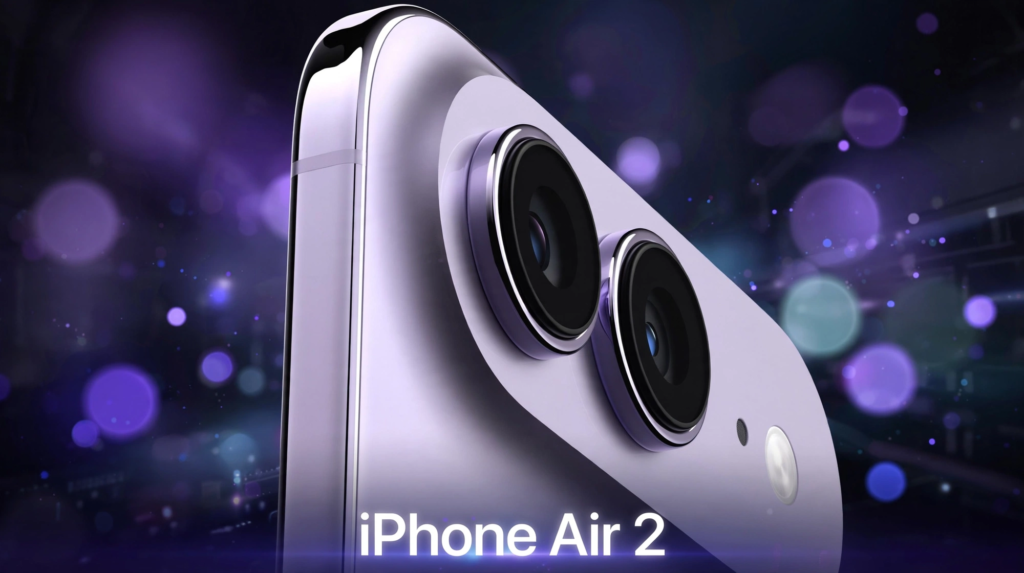

When rumors swirl about a new device, enthusiasts instantly ask: what does the iPhone Air 2’s Upgrades actually bring to the table? This article answers that question head‑on, breaking down every rumored enhancement, from hardware tweaks to software refinements, so you can decide whether the upgrade is worth your attention.
Key Takeaways
- The iPhone Air 2 is expected to feature a faster A‑series chip, delivering up to 20% better CPU performance.
- Display improvements include a brighter OLED panel with a 120Hz adaptive refresh rate.
- Camera upgrades focus on a larger main sensor and enhanced computational photography.
- Battery life sees a modest gain thanks to a more efficient power management system.
- Software will ship with the latest iOS version, offering new privacy controls and tighter ecosystem integration.
Design and Build Refinements
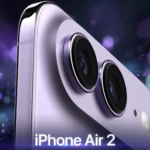
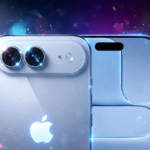
The first area where the iPhone Air 2’s Upgrades become noticeable is the chassis. Leaked schematics suggest a slightly thinner frame, achieved by reshaping the internal layout without sacrificing durability. This change not only improves ergonomics but also allows for a larger battery capacity within the same footprint.
Moreover, Apple is rumored to introduce a new matte‑finish option that reduces fingerprint smudges. The transition from glossy to matte provides a premium feel while maintaining the iconic look fans love. These subtle design shifts aim to make daily handling more comfortable.
Performance Boosts Under the Hood
At the heart of the iPhone Air 2’s Upgrades lies a next‑generation processor. Early benchmarks point to an A‑series chip built on a 3nm process, promising faster app launches and smoother multitasking. Users can expect quicker rendering in graphics‑intensive games and reduced latency when using AR applications.
Accompanying the CPU is an upgraded GPU that supports ray‑tracing effects, a feature previously limited to Pro models. This enhancement brings console‑level lighting and shadows to mobile gaming, making the experience far more immersive. In addition, the neural engine receives a core count increase, accelerating machine‑learning tasks such as real‑time language translation.
Display Enhancements
The screen is another focal point of the iPhone Air 2’s Upgrades. Reports indicate a shift to an OLED panel capable of reaching 1000 nits peak brightness, which improves outdoor visibility. Coupled with a 120Hz adaptive refresh rate, scrolling feels buttery smooth, and touch response feels instantaneous.
Apple may also integrate ProMotion technology across the entire display, allowing the refresh rate to drop as low as 10Hz when viewing static content. This intelligent scaling conserves power while still delivering a fluid experience when needed. The result is a display that balances visual quality with energy efficiency.
Camera System Improvements
Photography enthusiasts will notice several changes in the iPhone Air 2’s Upgrades to the camera suite. The main wide sensor is rumored to grow from 12MP to 48MP, capturing far more detail in each shot. This increase enables higher‑resolution cropping without noticeable loss of quality.
Beyond hardware, computational photography receives a boost via an updated image signal processor. Night mode now works faster, and Smart HDR 5 delivers richer highlights and smoother shadows. Video capabilities also see upgrades, with support for 8K recording at 30fps and improved stabilization for smoother footage.
Battery Life and Charging
Even with a more powerful chip, the iPhone Air 2’s Upgrades aim to keep battery life competitive. A larger capacity cell, combined with the efficiency gains of the new processor, could yield up to two extra hours of video playback. Users who rely on their device throughout the day will appreciate this endurance boost.
Charging speeds are also set to improve. Rumors suggest a move to 30W wired fast charging, allowing a 50% charge in roughly 25 minutes. Wireless charging may see a bump to 15W, making top‑ups more convenient without needing a cable.
Additionally, Apple is expected to refine its power management software, intelligently allocating resources based on usage patterns. This software‑hardware synergy helps maintain performance while minimizing unnecessary drain.
Software and Ecosystem Integration
The iPhone Air 2’s Upgrades are not limited to hardware; iOS enhancements play a crucial role. The device will launch with the newest iOS version, featuring upgraded privacy controls such as on‑device Siri processing and expanded app tracking transparency.
Continuity features receive refinements, making handoff between iPhone, iPad, and Mac even smoother. Universal Control is rumored to support drag‑and‑drop of files directly from the iPhone to a MacBook, streamlining workflows for creative professionals.
Furthermore, augmented reality apps benefit from a tighter integration with the new LiDAR scanner (if included), offering more accurate depth sensing and richer immersive experiences. These software upgrades ensure that the hardware improvements translate into tangible daily benefits.
Price and Availability Expectations
While exact pricing remains speculative, analysts suggest the iPhone Air 2’s Upgrades could position the device slightly above the current iPhone SE line but below the flagship Pro series. This pricing strategy would appeal to users seeking premium features without the top‑tier cost.
Availability is expected to follow Apple’s typical September launch window, with pre‑orders opening a week prior. Early adopters should keep an eye on official announcements for precise dates and regional rollout plans.
Potential Drawbacks to Consider
No upgrade is without trade‑offs, and the iPhone Air 2’s Upgrades are no exception. The rumored increase in camera resolution may lead to larger file sizes, requiring more storage space. Users who frequently shoot 4K or 8K video might need to invest in higher‑capacity models or rely on cloud solutions.
Additionally, the move to a 120Hz display could impact battery life if not managed efficiently, especially during intensive gaming sessions. While Apple’s adaptive refresh technology aims to mitigate this, real‑world usage will ultimately determine the balance.
Finally, some long‑time fans may miss the familiar Touch ID home button, as the device is expected to rely solely on Face ID. Those who prefer fingerprint authentication may need to adapt or consider alternative models.
Frequently Asked Questions
What are the most significant hardware changes in the iPhone Air 2’s Upgrades?
The most notable hardware changes include a faster A‑series chip built on a 3nm process, a brighter OLED display with a 120Hz adaptive refresh rate, and an upgraded main camera sensor rumored to jump from 12MP to 48MP. These enhancements collectively improve performance, visual quality, and photographic capabilities.
How does the battery life compare to previous models after the iPhone Air 2’s Upgrades?
Thanks to a larger capacity battery and the efficiency gains of the new processor, the iPhone Air 2’s Upgrades are expected to deliver up to two extra hours of video playback compared to its predecessor. Real‑world usage may vary, but the overall endurance should be noticeably better for typical daily tasks.
Will the iPhone Air 2’s Upgrades support 8K video recording?
Yes, leaks indicate that the device will support 8K video recording at 30fps, accompanied by improved stabilization technology. This feature allows creators to capture highly detailed footage directly from their smartphone, although file sizes will be substantial.
Are there any new color options introduced with the iPhone Air 2’s Upgrades?
Apple is rumored to introduce a matte‑finish variant alongside the classic glossy colors. This new finish aims to reduce fingerprint smudges while offering a premium tactile feel, giving users more aesthetic choices.
When can consumers expect to see the iPhone Air 2’s Upgrades in stores?
Following Apple’s traditional release cycle, the iPhone Air 2’s Upgrades are likely to be announced in September, with pre‑orders beginning shortly after the event. Retail availability should follow within a week or two, depending on regional logistics.
Here is a curated list of further articles and detailed guides covering iPhone Air Series.