A 2TB iPhone 18 Pro Max sounds like Apple turning generous overnight: more storage, same starting price. But the smarter read is that Apple may be preparing a familiar kind of pricing sleight of hand: keep the headline number stable, then make the upgrades more expensive than you expected.
Recent analyst chatter points to Apple holding base prices steady for the iPhone 18 Pro and Pro Max, with figures around $1,099 and $1,199. That stability is the part Apple wants repeated. The part that matters for real buyers is what happens above the entry tier, especially if Apple introduces a brand-new 2TB ceiling.
The 2TB rumor and why it matters
Two terabytes on a phone sounds absurd until you map it to how “Pro” users actually behave. ProRes video can chew through storage quickly, especially at higher frame rates and resolutions. Add multi-year photo libraries, offline travel downloads, creator workflows that keep originals local, and larger games, and storage stops being a spec you ignore and becomes the main constraint.
Apple also has every incentive to make storage a bigger story. Hardware upgrades are harder to communicate year over year; storage tiers are simple, visible, and easy to monetize. A 2TB Pro Max becomes both a bragging-rights option and a ladder rung that pulls the whole pricing structure upward.
How Apple can keep the base price while raising totals
The cleanest way to raise revenue without triggering sticker shock is to leave the entry price untouched and move the margins into the configurations power users buy.
If Apple keeps the Pro line starting at 256GB, it can say “prices start at the same point,” then adjust pricing on 512GB and 1TB quietly. Add a 2TB tier and you create a new premium option that makes 1TB feel less “maxed out,” nudging some buyers higher than they planned.
This is also why phrases like “aggressive pricing strategy” can be misleading. “Aggressive” doesn’t mean cheaper. It can mean protecting momentum: keep the base price comfortable to maintain upgrade cycles, then charge where buyers feel locked in. If you’ve learned (through experience) that 256GB is not enough, you’re already in the upsell funnel before you even pick a color.
QLC storage: how 2TB fits, and the tradeoffs
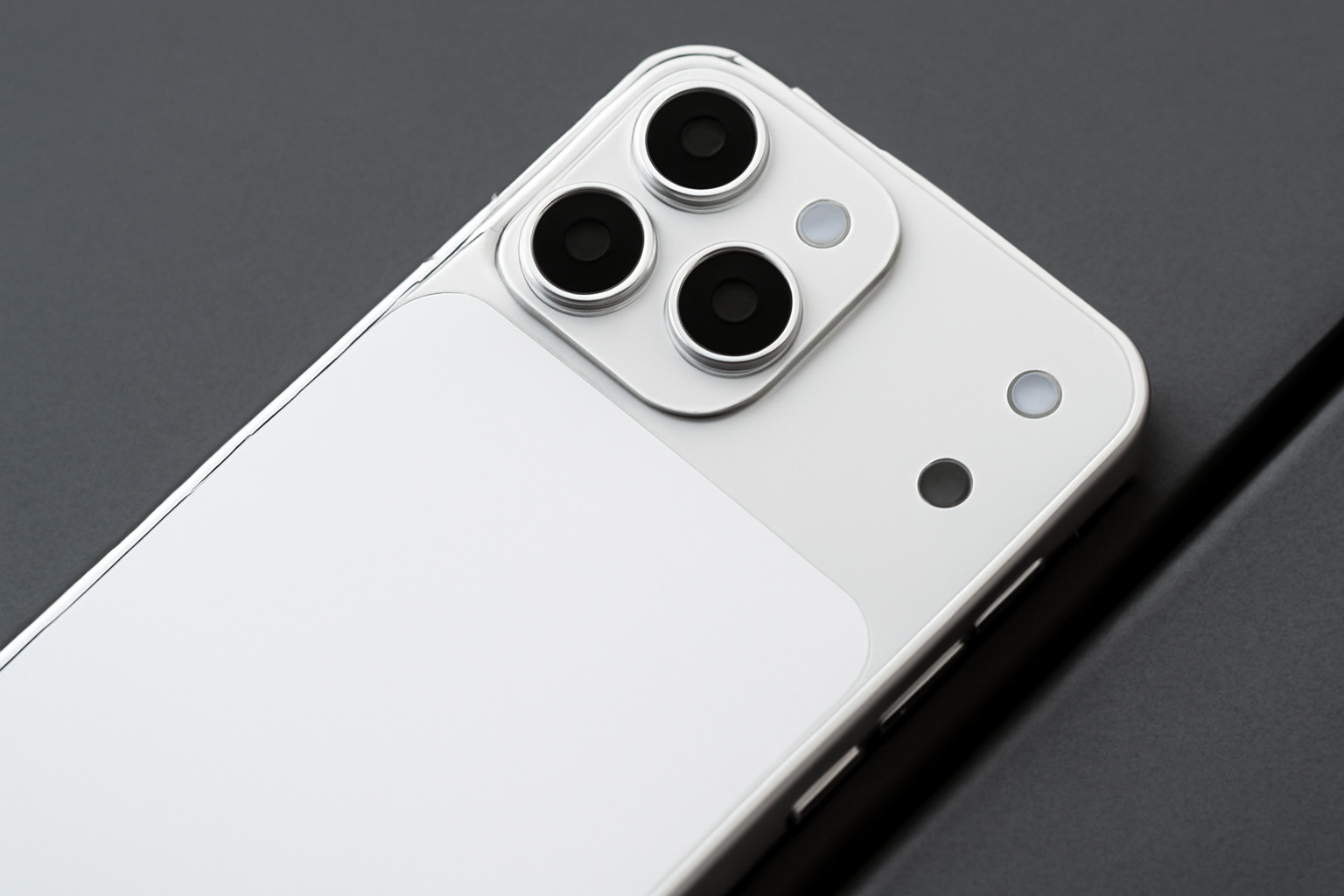
A rumored enabler here is QLC flash storage (Quad-Level Cell), which stores more bits per cell than TLC. The advantage is density: more storage in the same physical footprint, often with a better cost-per-gigabyte at scale. That makes a 2TB iPhone easier to ship without dramatic internal redesigns.
The tradeoffs are real, though. QLC typically has lower write endurance and can be slower under sustained writes compared to TLC, especially in heavy creator workloads. Apple can mask much of this with caching, controller tuning, and smarter storage management so everyday use feels identical. But it raises an important product question: who is the 2TB model for?
If it’s aimed at people capturing huge files daily, those users are exactly the ones most likely to stress write endurance. Apple could manage that risk by positioning 2TB as a Pro Max-only, premium tier with pricing that limits volume while still delivering a halo feature for marketing.
The foldable iPhone as a $2,400 pricing anchor
The most disruptive pricing rumor may not be storage at all. It’s the possibility of Apple entering foldables with a device that lands somewhere around $2,000 to $2,400.
Even if that price range shifts, the strategic impact is clear: anchor pricing. Put a $2,299 foldable next to a $1,199 Pro Max and the Pro Max suddenly looks like the “sensible” expensive iPhone. Apple wouldn’t need to lower prices; it would simply reshape what “normal” means in the lineup.
If Apple can genuinely deliver a near crease-free internal display, that’s also a tangible differentiator, not just a new form factor. And it would give Apple permission to push premium pricing harder across the board without changing a single base-model headline.
Other iPhone 18 Pro rumors to watch
Beyond storage and pricing structure, the iPhone 18 Pro line is rumored to lean into refinement.
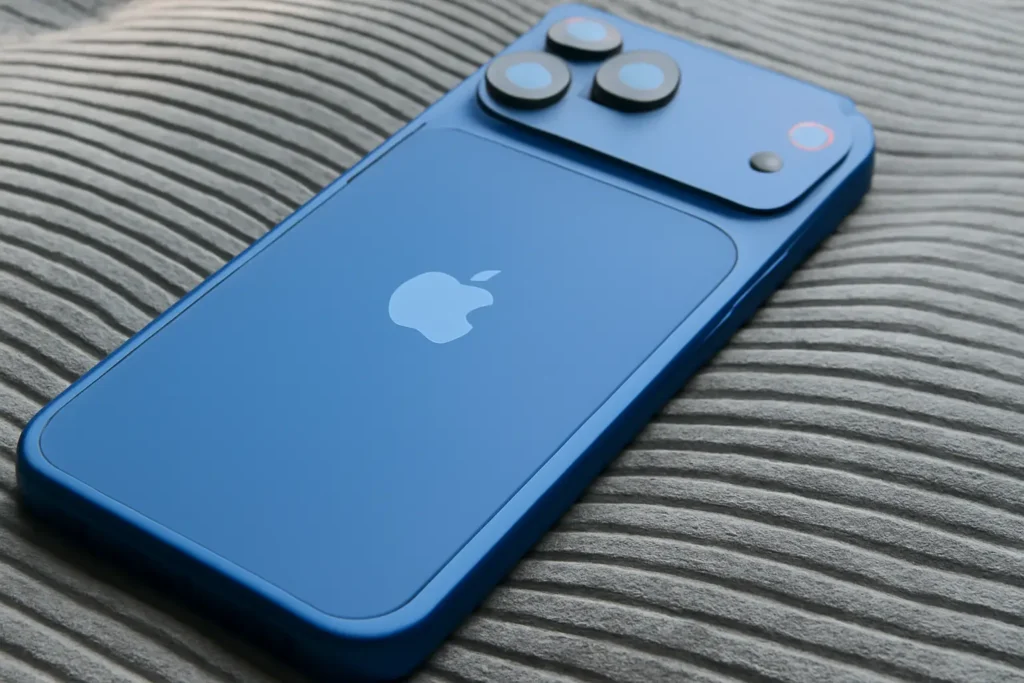
Color options are said to include Light Blue, Dark Gray, Silver, and a standout Dark Cherry shade described as a burgundy-coffee-deep purple blend. Apple consistently uses a hero color to set the tone for a generation, and Dark Cherry has the right “premium without being loud” energy for Pro marketing.
Battery rumors suggest no major physical capacity jump despite camera-module changes, with gains potentially coming from efficiency work. That ties into reports of an in-house C2 modem expanding Apple’s move away from Qualcomm, promising better power efficiency and possibly satellite-based 5G connectivity. If Apple can improve real-world coverage and reduce power draw, that’s a user-facing win without changing thickness or weight.
There’s also talk of changes to the Camera Control button: simplifying from touch gestures to more reliable pressure-based input. That would fit Apple’s pattern of shipping a feature, observing how people use it, then streamlining the interaction to reduce friction.
On the software side, iOS 27 is expected to push deeper AI features, with ongoing discussion around model partnerships and a more capable, more conversational Siri. If Apple can turn the camera into an interface for actions (capturing info from the world, summarizing, identifying, and helping you act), that could become a meaningful reason to upgrade beyond raw hardware specs. A smaller Dynamic Island is also rumored, a subtle daily-use improvement that adds up over time.
What to buy: picking storage without getting upsold
If Apple introduces 2TB while holding the base price steady, don’t treat it as a gift. Treat it as a restructured ladder.
The practical move is simple: decide your tier from your actual usage, not your anxiety. Check your iPhone storage graph, your photo/video footprint, and how often you offload to iCloud, external drives, or a Mac. If you consistently hit limits at 256GB, budget for 512GB or 1TB intentionally. If you genuinely generate massive files on-device, 2TB could be a legitimate tool purchase. Otherwise, it’s an expensive way to feel “safe.”
Conclusion
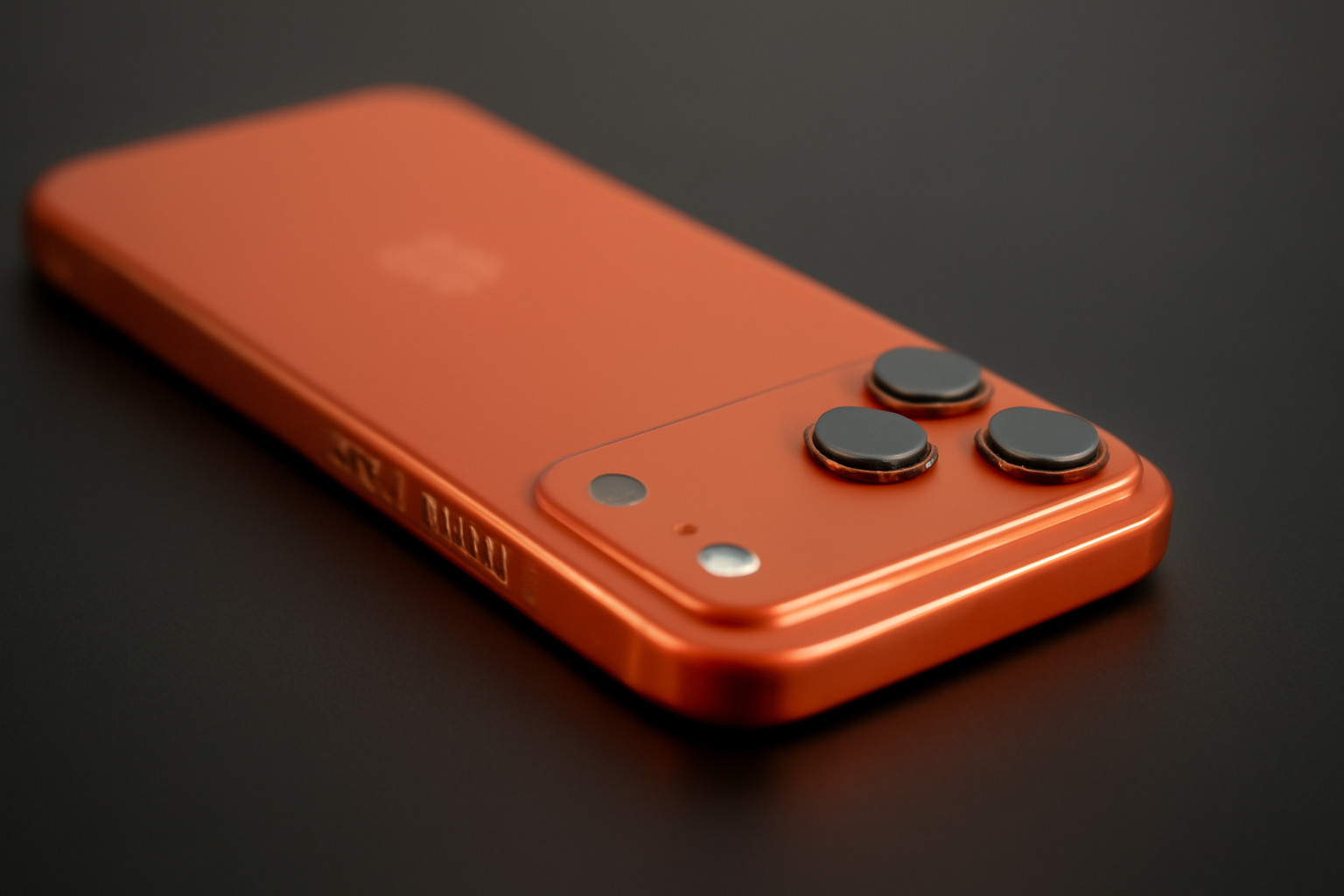
If the iPhone 18 Pro and Pro Max keep the same starting prices while adding a 2TB option, Apple gets the best headline possible: “prices unchanged.” But the real story will likely be the tiers most Pro buyers actually choose, and whether 512GB and 1TB quietly climb.
Add a potential $2,000-plus foldable into the mix and Apple’s pricing strategy becomes even clearer: redefine the ceiling, and everything under it feels reasonable. The only defense is being deliberate. Pick the storage tier you will use, pay for it on purpose, and don’t let a stable base price distract you from the total you’re about to approve.
Read More!