
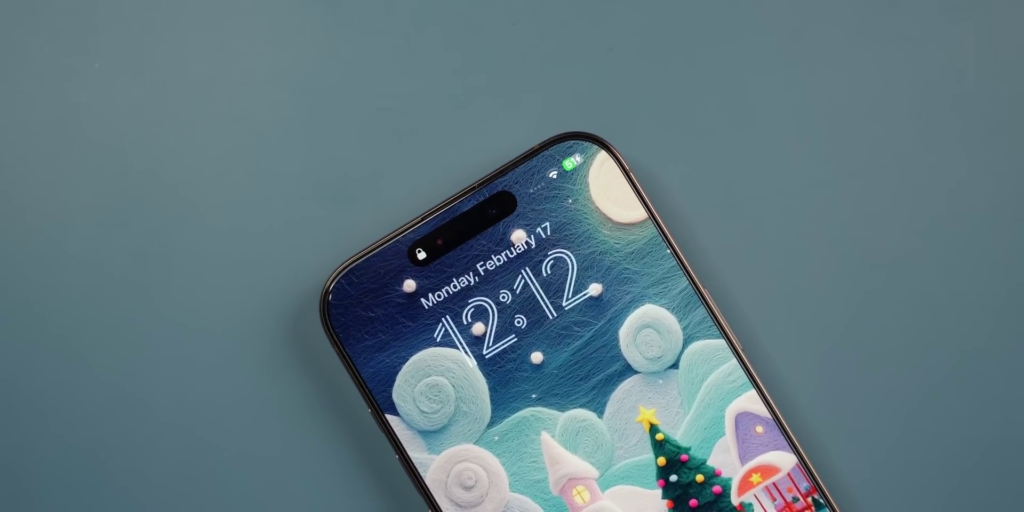
IPhone: Amazon’s Globalstar acquisition fuels expanded off-grid connectivity
Did you know that Amazon is about to become the company behind the satellite connection on your iPhone—and that could decide which iPhones get the next wave of off-grid features?
Amazon just announced plans to acquire Globalstar, the satellite operator that powers Apple’s satellite features on iPhone 14 and newer. At the same time, Amazon says it’s signed a separate agreement with Apple to keep satellite connectivity running for current and future iPhone and Apple Watch features.
This is still in the “plans and agreements” phase, so treat everything here as rumors and early details around a real corporate move. But the implications are big: this deal answers the biggest question people have had since Apple added satellites—who powers them long-term, and how do they scale?
First, quick context. Apple’s satellite features today include Emergency SOS via satellite, Messages via satellite, Find My updates, and Roadside Assistance via satellite. These features matter because they’re not “nice-to-have.” They’re safety tools that work when there’s no cellular coverage.
Until now, Apple’s partner has been Globalstar. This week, Amazon and Globalstar announced a definitive merger agreement where Amazon would acquire Globalstar, reportedly valued around $11.57 billion. The expected closing is 2027, assuming regulatory approvals and satellite deployment milestones are met. So no, your iPhone isn’t changing networks tomorrow morning. But the roadmap just got a lot clearer.
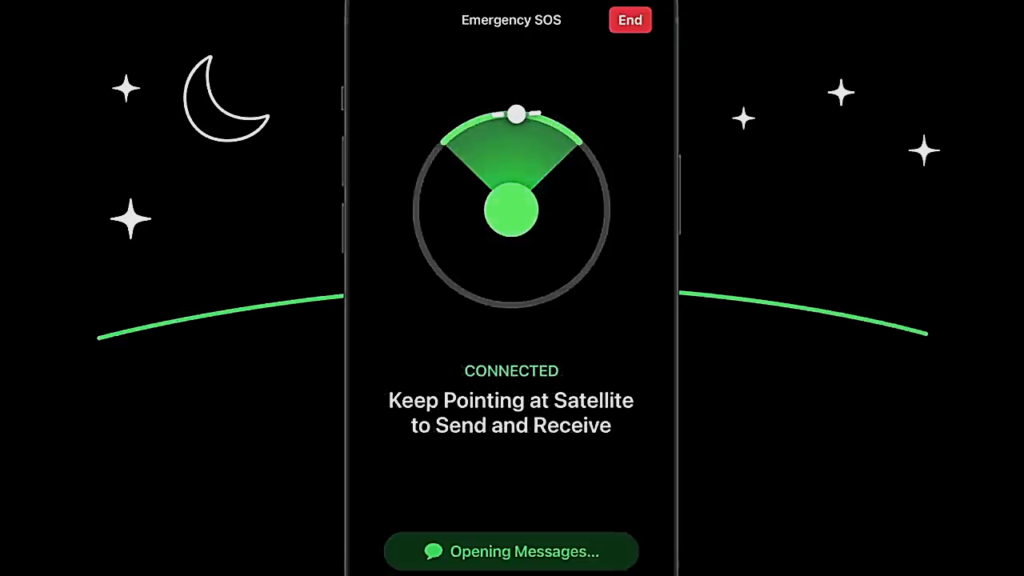
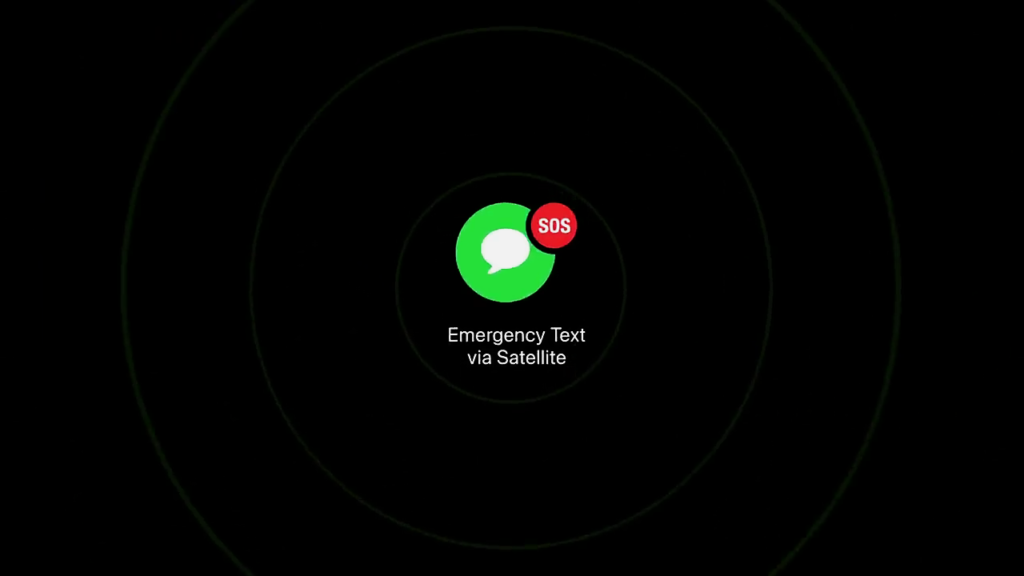
Here’s the key part: alongside the acquisition announcement, Amazon and Apple also signed an agreement for Amazon’s LEO satellite network to support existing iPhone and Apple Watch satellite features. Amazon says it will continue supporting iPhone and Apple Watch models that rely on Globalstar’s current and upcoming low Earth orbit constellation, including satellites being built by MDA Space.
In other words, Apple’s satellite features don’t get stranded. If anything, Apple gets a larger runway to expand these services—because Amazon has the capital, infrastructure DNA, and serious interest in building out satellite connectivity at scale.
Apple even put a senior executive quote on it. Greg Joswiak said Apple and Amazon already have a long track record working together through Amazon’s infrastructure services, and they’re looking forward to building on that collaboration with Amazon’s LEO network—specifically to keep those “vital satellite features” available.
So which iPhones are most likely to get these new satellite features?
Based on what Apple supports today, the safe bet is the iPhone 14 and newer. That’s the baseline for satellite hardware already in the field. Anything older is very unlikely, because a satellite isn’t just a software flip—there are antenna, modem, and power considerations.
Now, here’s where the rumors get interesting. Apple is reportedly working on several next-step satellite features that would require infrastructure upgrades. The list being discussed includes Apple Maps via satellite, sending photos through Messages via satellite, better connectivity in indoor environments, satellite over 5G, and even a satellite API for third-party apps.
If even half of that ships, it changes how “no service” feels. Maps via satellite is the big one for mainstream users: if you can request directions or basic map tiles when you’re off-grid, that’s an everyday feature, not just an emergency feature. Photos over satellite would be a technical flex but also a bandwidth and latency challenge—so if it happens, expect it to be heavily compressed, slow, and maybe limited to specific situations.
Indoor connectivity is the most controversial rumor. True indoor satellite coverage is hard because buildings are basically signal killers. If Apple delivers anything here, it may be more like “works near windows” or “improved acquisition” rather than full indoor performance.
Satellites over 5G are also worth watching. That phrase can mean different things, and it depends on spectrum, modem capability, and network agreements. But the direction is clear: Apple wants satellite to feel less like a special emergency mode and more like an extension of connectivity.
Now, tie this to the iPhone roadmap rumors.
Where the upgrade is expected is performance: an A20 chip, potentially built on a more advanced 2nm process, which could improve speed and efficiency. Battery life matters a lot for satellite features because acquiring and maintaining a satellite link can be power-intensive. A more efficient chip and a bigger Pro Max battery could translate into more reliable satellite sessions, longer messaging windows, or more frequent Find My updates off-grid.
And then there are the color rumors, because Apple always uses a “signature” Pro color to create separation year to year. Reports suggest a deep red or “dark cherry” could replace the iPhone 17 Pro’s cosmic orange. Cosmic orange is reportedly popular, especially in China, but Apple historically rotates standout colors to keep each generation feeling fresh. So if you love cosmic orange, the rumors suggest it might be on the way out.
One more wild card: the foldable iPhone. Rumors say Apple’s working on it, possibly launching alongside the Pro models or shortly after, with limited color options like silver, white, and an indigo tone. If Apple debuts a new form factor, satellite features could become part of the “premium safety story” that differentiates a first-gen foldable.
So the big takeaway is this: Amazon buying Globalstar doesn’t kill Apple’s satellite ambitions. It probably accelerates them—if Amazon’s expanded LEO network becomes the backbone and Apple keeps pushing features beyond emergency use.
If you want, I can do a follow-up ranking the most likely satellite upgrades to ship first—and which ones sound great but probably won’t happen soon. Subscribe for that, and comment with the one feature you’d actually use: maps via satellite, photo sending, or third-party satellite apps.
Do you think Apple’s satellite features should stay focused on emergencies, or should Apple turn satellite into a normal part of iPhone connectivity—even if it’s slower and limited? Drop your take in the comments, because this is going to shape what “coverage” means for the next decade.
See you in the next one.
Read More!
- iPhone 18e Leak: Game-Changing Upgrades Worth the Wait!





23 thoughts on “iPhone 18 Pro Max Leads with Amazon-Backed Next-Gen Satellite Tech.”
your leaks for iphone are really interesting. thanks
The iPhone 18 Pro Max taking satellite connectivity to the next level with Amazon-backed tech sounds like a game changer for global communication. If it delivers reliable coverage and speed, it could redefine what we expect from smartphones beyond traditional networks.
Zabardast post! Main hamesha tech se related aisi hi latest updates dhoond raha hota hoon. Keep up the good work, mazeed aisi posts ka intezar rahega.
Thank you for sharing us this important article.
Next-level innovation! 🚀📱 Satellite tech sounds like a game changer!
Thanks for sharing
não vejo a hora de comprar o meu
Good phone
Best features
Satellite tech is a game-changer.
I phone 18 max best one phone.
Honestly impressed with this design, the fold and display look smooth and very premium
really enjoyed this post, it explains things in a simple way. The details are useful and practical. Keep sharing more valuable tech knowledge.
Excellent satellite features.
If this works globally, it could completely change how we stay connected in remote areas.
Satellite upgrades sound impressive—turning emergency features into everyday connectivity could make the iPhone even smarter.
Satellite features sound useful, but speed and real-world reliability will matter most
This is a really exciting development—combining iPhone technology with Amazon-backed satellite connectivity could completely change how we stay connected in remote areas.
This is a great news for Apple user
Amazon backing the satellite infrastructure is actually reassuring — Globalstar alone always felt too small for Apple’s long-term ambitions.
Amazon acquiring Globalstar for $11.57 billion is a massive move that will reshape iPhone satellite connectivity for millions of users!
This is worth the wait.
Next-level innovation! 🚀📱 Satellite tech sounds like a game changer!