
Is the Apple Watch Series 12 poised to redefine wearable health tech? With each iteration, Apple pushes the boundaries of what a smartwatch can monitor, and rumors suggest the twelfth series will bring breakthroughs that could change daily health management forever. In this article, we explore the expected features, design upgrades, and real‑world implications of the upcoming Apple Watch Series 12.
- Apple Watch Series 12 is rumored to introduce non‑invasive blood glucose monitoring.
- Enhanced ECG and blood‑pressure sensors could provide clinical‑grade readings.
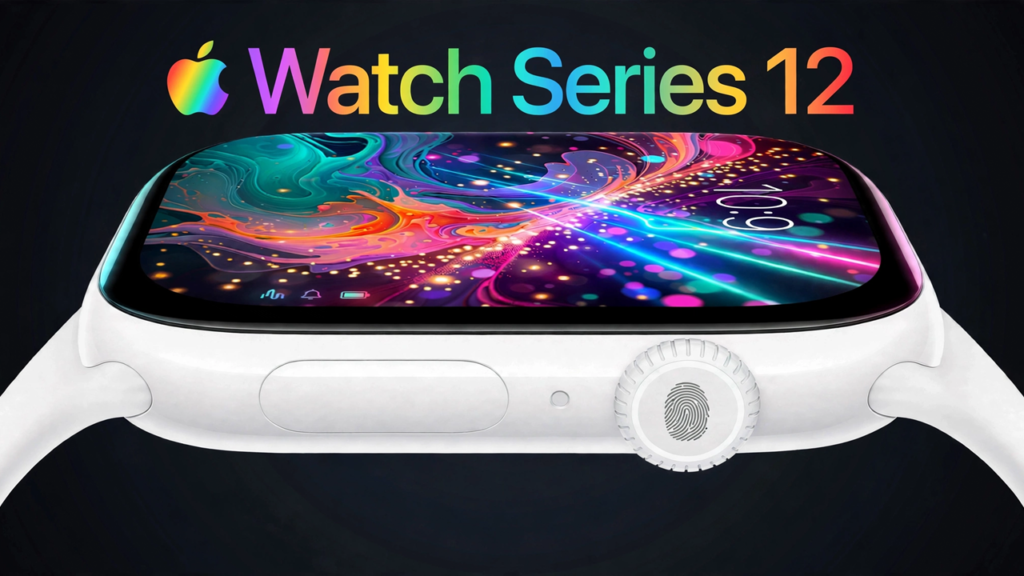
- A brighter, always‑on LTPO OLED display with thinner bezels is expected.
- Battery life may extend to 24‑30 hours thanks to a new low‑power chip.
- WatchOS 12 will likely bring deeper integration with Apple Fitness+ and new mental‑health tools.
Design and Display Enhancements
Apple is expected to refine the chassis of the Apple Watch Series 12 with a stronger yet lighter titanium alloy. This change would reduce weight by roughly 15 % while improving durability against scratches and impacts. Consequently, users who wear the watch during intense workouts will notice less fatigue on the wrist.
The display is likely to evolve to an LTPO OLED panel capable of reaching 2000 nits peak brightness, making outdoor readability far superior to the current generation. In addition, the bezels may shrink by up to 30 %, offering a larger viewing area without increasing the overall footprint. As a result, complications and watch faces will appear more immersive.
Apple Watch Series 12: Expected Health Innovations
Health monitoring remains the core selling point of the Apple Watch line, and the Series 12 is rumored to push the envelope further. Apple’s research into non‑invasive glucose sensing could finally materialize, allowing users to track blood sugar levels without finger pricks. If successful, this feature would be a game‑changer for diabetics and fitness enthusiasts alike.
Furthermore, upgraded electrodes and algorithms may enable the ECG app to detect atrial fibrillation with higher sensitivity and also screen for other arrhythmias. Blood‑pressure monitoring could transition from occasional spot checks to continuous, cuff‑less tracking, providing early warnings for hypertension. Consequently, the Apple Watch Series 12 might become a legitimate alternative to traditional clinical devices for everyday monitoring.
Advanced Blood Glucose Monitoring
Reliable sources suggest Apple is testing a sensor that uses spectroscopic analysis through the skin to estimate glucose concentration. The technology would need to meet stringent accuracy standards before release, but early prototypes show promise within a ±10 % margin of lab‑grade meters. In addition, the watch could alert users to rapid glucose spikes, helping them adjust diet or medication in real time.
As a result, individuals managing diabetes could reduce reliance on invasive testing, leading to better adherence and improved quality of life. However, regulatory approval will be a critical hurdle, and Apple may initially launch the feature in select markets where clearance is faster.
Enhanced ECG and Blood Pressure Tracking
The next‑gen ECG sensor is expected to incorporate additional leads, improving the detection of subtle cardiac anomalies. This enhancement could allow the Apple Watch Series 12 to identify signs of ischemia or electrolyte imbalances that current models miss. Consequently, users with known heart conditions may receive earlier prompts to seek medical attention.
For blood pressure, Apple is rumored to combine pulse‑transit time with calibrated optical readings, delivering trends that correlate closely with cuff‑based measurements. In addition, the watch might offer guided breathing exercises when elevated pressure is detected, promoting immediate lifestyle interventions. As a result, the device could serve as a proactive hypertension management tool.
Battery Life and Performance
Battery longevity has always been a balancing act for feature‑rich smartwatches. The Apple Watch Series 12 is expected to introduce a custom‑built S9 chip fabricated on a 4 nm process, boosting performance while cutting power draw by roughly 20 %. Consequently, typical usage—including always‑on display, workout tracking, and health monitoring—could stretch to 24‑30 hours on a single charge.
Furthermore, faster charging technology may replenish 80 % of the battery in under 45 minutes, reducing downtime for users who rely on sleep tracking. In addition, a new low‑power mode could extend standby time to several days when only essential functions like timekeeping and alerts are active. As a result, the watch becomes more convenient for travelers and outdoor enthusiasts.
Software and Ecosystem Integration
WatchOS 12 will likely accompany the hardware launch, bringing a refreshed interface with more customizable widgets and deeper Siri integration. Consequently, users can access health summaries, start workouts, or control smart‑home devices with fewer taps. In addition, Apple Fitness+ is expected to receive new workout types that leverage the upcoming sensors, such as glucose‑aware training zones.
Furthermore, tighter coupling with the iPhone’s Health app will enable longitudinal trend analysis, allowing users to share detailed reports with healthcare providers. As a result, the Apple Watch Series 12 could become a central hub for preventive care and wellness coaching.
Pricing, Availability, and Market Impact
Analysts predict the Apple Watch Series 12 will start at $399 for the aluminum model, with premium titanium and ceramic editions climbing to $799 or more. Consequently, the pricing strategy mirrors the Series 8 lineup, maintaining accessibility while offering luxury options. In addition, a trade‑in program could lower the effective cost for existing Apple Watch owners.
Furthermore, a September release window aligns with Apple’s traditional fall launch schedule, ensuring ample holiday‑season inventory. As a result, early adopters and health‑conscious consumers will likely drive strong initial sales, reinforcing Apple’s dominance in the wearable market.
What is the biggest rumored health feature of the Apple Watch Series 12?
The most talked‑about rumored feature is non‑invasive blood glucose monitoring. If Apple succeeds, users could track blood sugar levels without finger pricks, a breakthrough that would benefit diabetics and fitness enthusiasts alike.
How will the display of the Apple Watch Series 12 improve over the current model?
The Series 12 is expected to feature an LTPO OLED panel with up to 2000 nits peak brightness and thinner bezels, resulting in a brighter, more immersive outdoor‑readable screen while maintaining a compact footprint.
Will the battery life of the Apple Watch Series 12 last longer than previous generations?
Yes. Thanks to a new 4 nm S9 chip and efficiency improvements, Apple aims for 24‑30 hours of mixed usage on a single charge, with fast charging that reaches 80 % in under 45 minutes.
When is the Apple Watch Series 12 expected to be released?
Based on Apple’s historical release pattern, the Series 12 is likely to debut in September 2025, with pre‑orders beginning a week before the official launch date.
Will the Apple Watch Series 12 be compatible with older iPhone models?
Apple typically requires the latest iOS version for full functionality. The Series 12 will likely need iOS 18 or later, meaning iPhone XS and newer models will be supported, while older devices may miss out on certain features.
You may also benefit from these extra guides and featured articles concerning Apple Watches.