
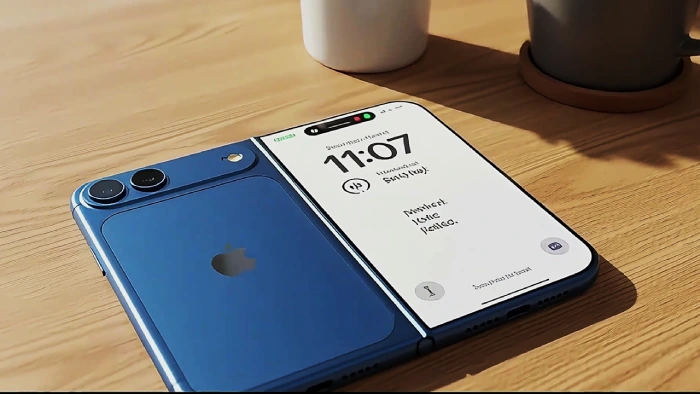
I’m very happy to hear that Apple is going to stop using Face ID with the iPhone Fold.
You have both the touch and the strength.
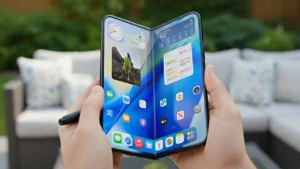
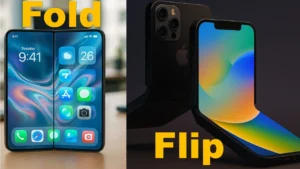
After years of speculation, it seems like Apple’s long-rumored foldable iPhone may finally be out soon. Several reports say that Apple could introduce its first foldable phone in late 2026.
Recent speculations say that the company could even be thinking about making a clamshell-style folding iPhone for its second edition.
Apple wants the iPhone Fold to be between 4.5 and 4.8 mm thick, and getting rid of or making the TrueDepth camera array smaller might assist with this.
But where would Apple place the Touch ID sensor? It seems like Apple could put it directly within the power button, as on the iPad Air and iPad Mini.
But it might also follow other Android phones and be placed beneath the screen.
Even though Touch ID has several clear problems, I believe I still like this way better for a variety of reasons.
I think Touch ID is more reliable than Face ID.
Some believe that Face ID is generally more trustworthy than Touch ID.
My experience with multiple phone generations has led me to mistrust Face ID. For instance, my Face ID refused to work after I recently shaved my face for Movember.
After speaking with others, I discovered that they shared similar concerns, particularly about wearing glasses or having a new haircut—and it’s even more problematic in low light conditions.
These issues do not affect Touch ID, which I believe generally performs better across a broader range of situations compared to Face ID.
The main reason for this is that Touch ID operates without the need for a camera.
Additionally, your fingerprint should always perform as intended, as it doesn’t genuinely change. Furthermore, it truly reduces a step when trying to use your phone, as the ID is on the power button.
That being said, Touch ID isn’t always faultless, as it may fail and is primarily dependent on the button operating properly.
Because you may mistakenly unlock your phone in your pocket, there is also some security risk. However, I feel that this is not as big of an issue as many people may imagine.
Thinness is the major goal.
Even if Touch ID has its downsides, there is no doubting that a smaller foldable phone is often better. When it comes to phone makers’ fixation on making phones smaller, I have been pretty critical.
Thinner phones didn’t really take the market by storm, as we saw with the iPhone Air and the Galaxy S25 Edge, owing to factors like cost and missing features and hardware.
However, based on my experience with the previous Galaxy Z Fold 5, it appears that the converse is true when it comes to folding phones.
The difficulty is that foldable phones, especially those that resemble books, are effectively two phones that can be joined into one.
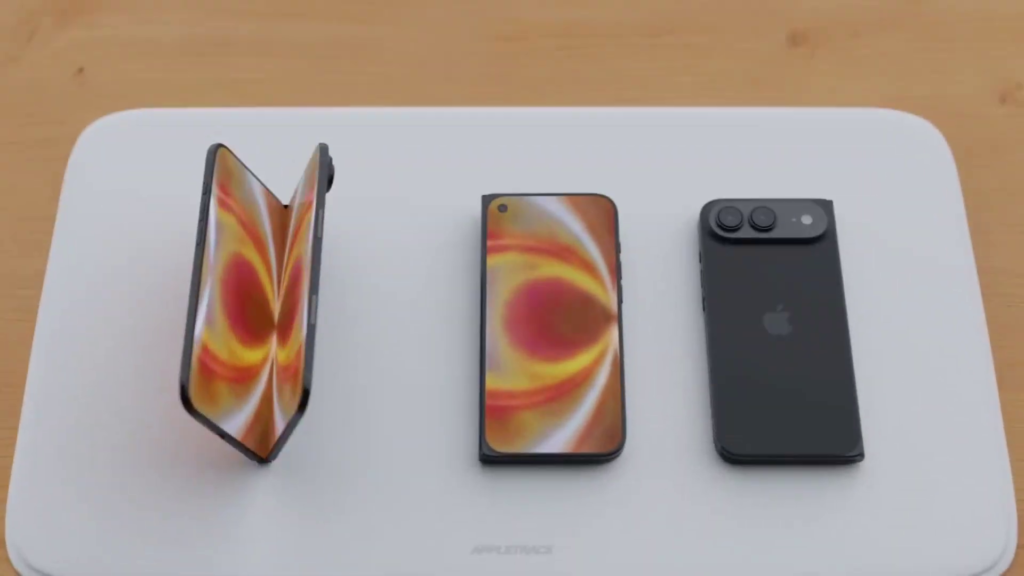
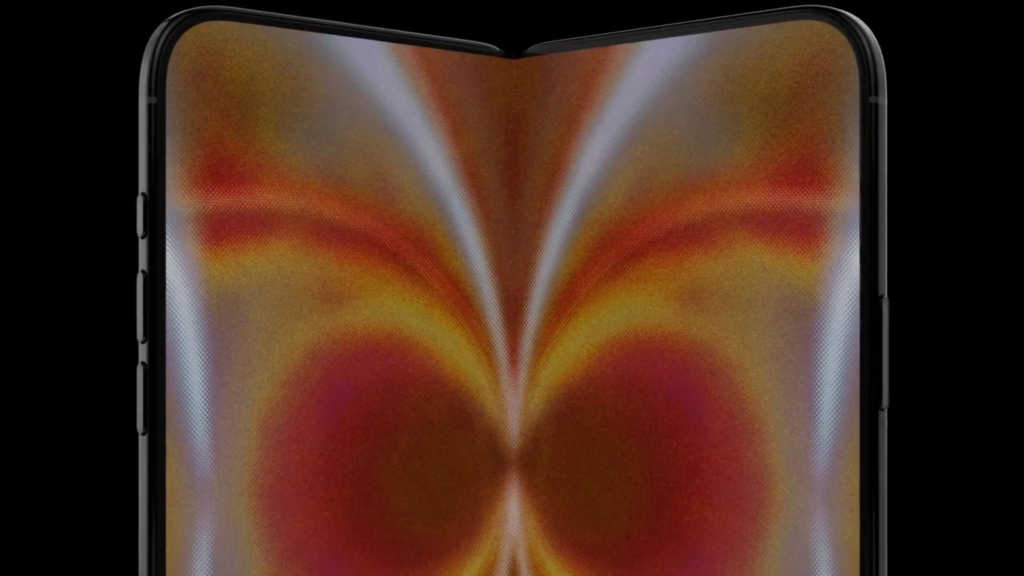
Although the wider screen is obviously useful, dealing with double the width also means dealing with double the thickness, which may be a considerable concern.
As evidenced by the Galaxy Z Fold 7, the remedy to this problem is to make the folding phone smaller.
This is actually easier with foldable phones than with standard phones because you can utilize their width to avoid having to remove a lot of hardware to generate room.
For example, the iPhone Air only contained one camera, as it needed to generate a lot of space for the battery.
Nevertheless, there are still constraints despite the greater capacity that a foldable phone gives.
With the existing technology, implementing a Face ID system within the iPhone Fold’s front screen and main display will undoubtedly drastically decrease the phone’s thickness.
Concerns about the iPhone Fold continue.
In truth, Touch ID makes the most sense at this moment and will probably deliver the finest overall experience on the next iPhone Fold. When paired with the claimed creaseless display, Touch ID also frees up extra screen real estate as it removes the need for a cutout.
This could lead to an inconsistent display. Furthermore, it raises questions about the implications for the Dynamic Island.
For instance, Apple’s notch alternative not only houses the Face ID and selfie camera but also provides useful features like timers and music information.
Apple can get away with making the Dynamic Island much smaller in the absence of Face ID, as is apparently the case with the iPhone 18 series.
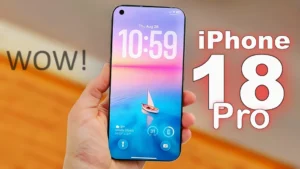
As of right now, the only thing we can do is wait for the official release of the iPhone Fold, which is slated to arrive in September along with the iPhone 18 Pro and iPhone 18 Pro Max.
Tell me whether you prefer Touch ID or Face ID until then.
Read More:

1 thought on “Apple 1st Foldable Set to Ditch Face ID—A Brilliant Move!”
Pingback: 5 Powerful Reasons Why Apple’s iPhone Fold Will Transform Foldables by 2026 - blog