Apple’s exciting new color and breakthrough satellite tech for iPhone 18 Pro.
Following the positive reception of the Cosmic Orange iPhone 17 Pro models, it has been rumored that
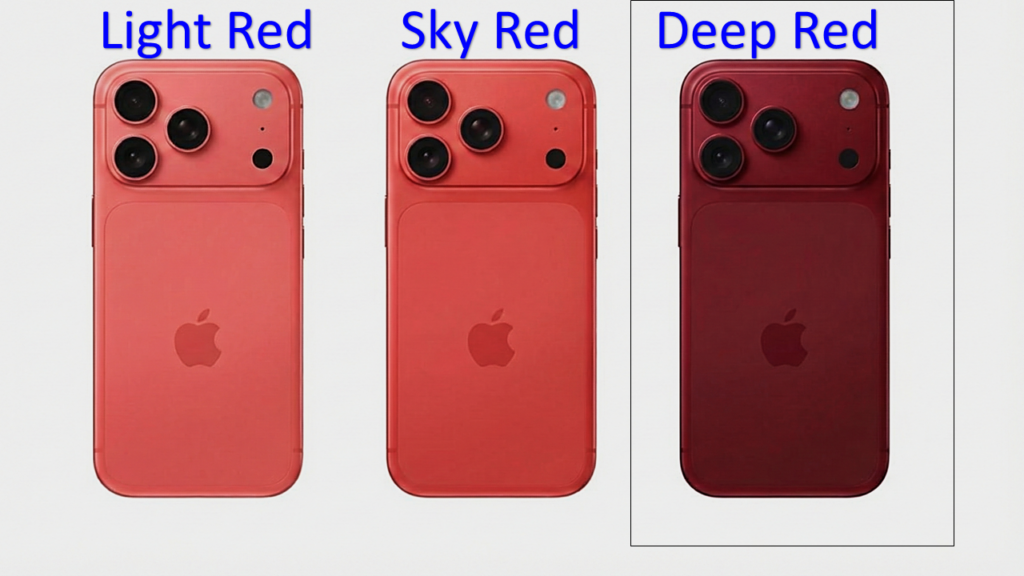
Apple is exploring a new Deep Red paint for the iPhone 18 Pro and Pro Max. Here are the anticipated prices for India based on leaks.
According to reports, Apple may provide a striking new color choice for the iPhone 18 Pro and iPhone 18 Pro Max.
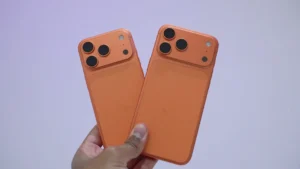
Historically, Apple has provided its Pro models in subtle colors like blue, graphite, and silver. With the release of the iPhone 17 Pro and iPhone 17 Pro Max, which came in Cosmic Orange, the approach changed, though.
According to recent sources, Apple is now testing a Deep Red paint for the iPhone 18 Pro and iPhone 18 Pro Max. The significant reaction to the preceding orange variety is thought to have encouraged this change.
The Cosmic Orange variant’s effect on the market.
At first, the Cosmic Orange color of Apple’s iPhone 17 Pro lineup seemed excessively bright for a high-end gadget. Customer reaction, however, swiftly altered opinions, and the color became very popular.
Bloomberg’s Mark Gurman reported that the Cosmic Orange model did well in a number of locations, including China, where demand was very high.
It’s possible that this favorable reaction inspired Apple to continue experimenting with unique coatings for its next flagship models.
iPhone 18 Pro and Pro Max: Testing of a new finish.
Apple reportedly has a new premium finish for the iPhone 18 Pro and iPhone 18 Pro Max in test.
Numerous leaks and rumors suggest that the future Pro models might come with this new color option, even though the company has not yet acknowledged the addition.
Apple has not yet released a formal comment about the final array of finishes.
Will both hues be available from Apple?
It’s unknown if Apple will keep selling the orange version in addition to the new red finish. The corporation may decide to simply provide one option because the two hues are so close on the color spectrum.
Previous rumors also suggested that the next Pro models would come in brown and purple versions. But rather than being completely different colors, these are described as variations within a similar tonal family.
The possible addition of a deeper red finish would be a significant departure from Apple’s Pro design philosophy, which has historically prioritized muted, polished colors.
Apple may now be looking into more unique finishes for its high-end devices after releasing the Cosmic Orange iPhone 17 Pro models.
According to reports, Apple and SpaceX are in talks to use SpaceX’s Starlink constellation of satellites to offer direct-to-cell connectivity for the next generation of iPhone 18 Pro models, without requiring any further hardware from the user.
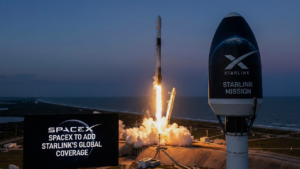
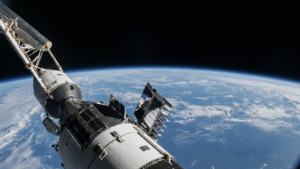
Apple is considering partnering with SpaceX to use its Low Earth Orbit (LEO) Starlink network to give iPhone 18 Pro versions satellite-based access.
For those who are unaware, Apple’s “Emergency SOS” feature, which enables iPhone users to contact emergency services while they are outside of cellular and Wi-Fi coverage, currently makes use of Globalstar’s satellite connectivity.
iPhone users may also broadcast their position and send messages to first responders and personal contacts thanks to the partnership with Globalstar.
A acquisition seems improbable since the Cupertino firm does not want to be regulated like a carrier, despite Apple having invested over $2 billion in Globalstar over the past few years.
Apple has yet to charge iPhone customers for Globalstar’s satellite services, in part because of this.
This brings us to the main point of our discussion today. According to The Information, Apple is currently negotiating with SpaceX to integrate Starlink’s direct-to-cell communication capability into the iPhone 18 Pro and iPhone 18 Pro Max.
Crucially, the feature would work on a user’s compatible iPhone without the need for any further hardware.
This is in line with an earlier allegation from the journal that stated Apple was aiming to introduce 5G internet via satellite as early as 2026.
Additionally, 5G Non-Terrestrial Network (NTN) technology, which enables cell towers to use satellites to extend their coverage, is anticipated to be supported by next-generation iPhones, according to Mark Gurman of Bloomberg.
In light of this, Apple also intends to provide an API that would enable outside developers to include satellite connectivity into their applications.
For $17 billion, SpaceX recently purchased EchoStar’s wireless spectrum, allowing Starlink to offer speedier internet services to phones worldwide.
Additionally, Gwynne Shotwell, the president of SpaceX, recently declared that the company was collaborating with chipmakers to incorporate satellite communication straight into cellphones.
These changes occur as the FCC has now given SpaceX permission to use up to 15,000 of its Gen2 (second-generation) satellites.
This implies that the corporation may now launch about 7,500 additional satellites, increasing its total number of second-generation systems to 15,000.
For those who may not know, SpaceX’s Gen2 Starlink satellites have a reduced latency and a larger capacity, which enables.
Read more: