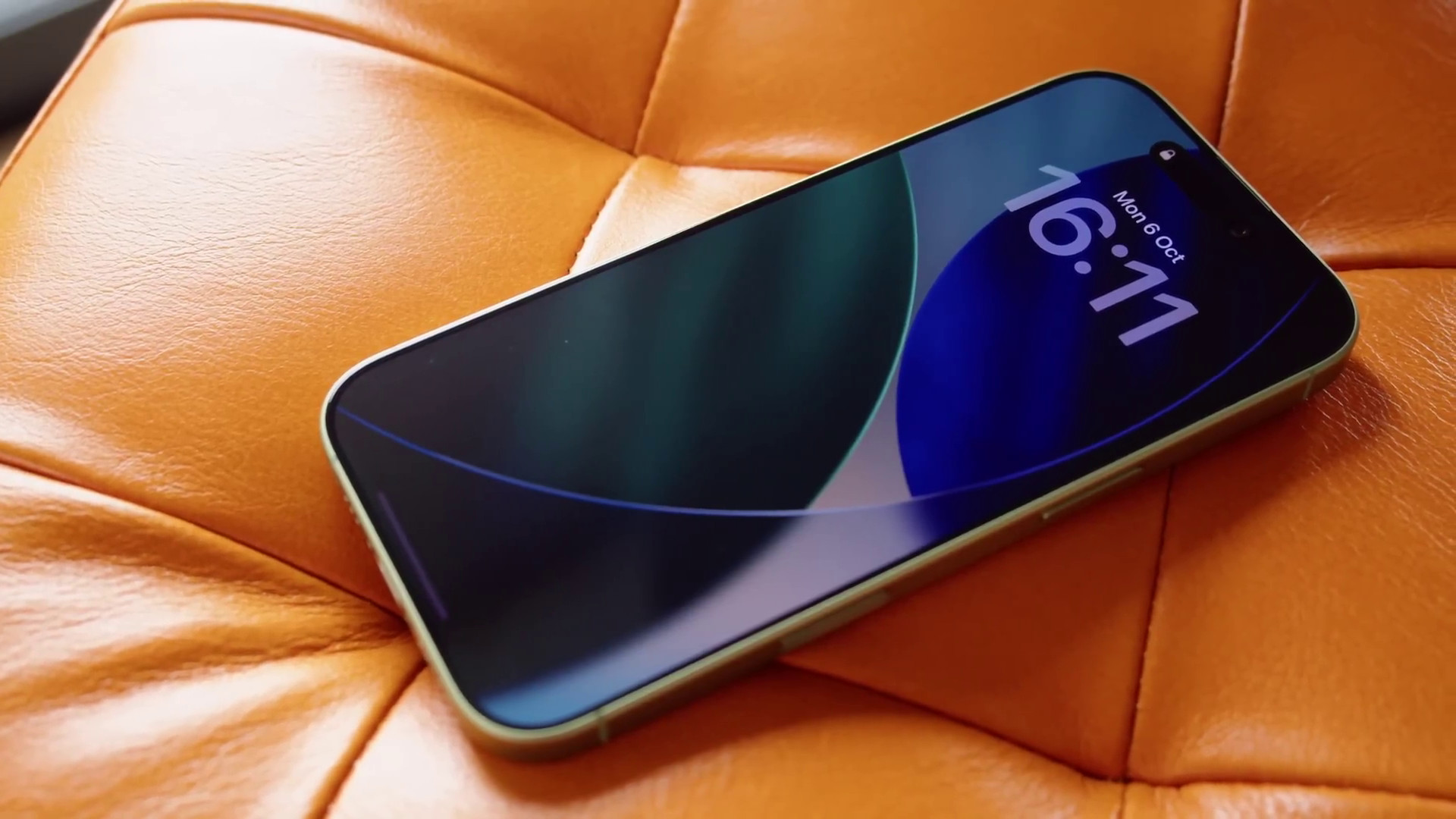
iPhone 18 Pro: Apple putting 9GB of RAM in an iPhone sounds like a typo. Not 8GB. Not 12GB. Nine. And yeah, that’s a weird number in phone land, where specs usually come in clean, marketing-friendly steps.
But a fresh rumor about the iPhone 18 and iPhone 18e says 9GB could be exactly what Apple ships. And once you look at how RAM is physically built and what Apple’s trying to do with on-device AI, it starts to feel less like “Apple being Apple” and more like a calculated compromise.
There’s more, too: talk of a split launch schedule, meaningful price hikes on the Pro models, and Apple’s first foldable iPhone possibly arriving as an “Ultra.” Here’s what the leaks are pointing to right now, and what actually makes sense versus what needs a giant asterisk.
The 9GB RAM rumor: weird, but not random

Earlier reports claimed the entire iPhone 18 lineup would move to 12GB of RAM. That sounded straightforward: Apple’s AI push grows, iOS gets heavier, and RAM goes up across the board.
Now the newer leak says the standard iPhone 18 Series and iPhone 18e may land at 9GB instead, while higher-end models may still reach 12GB. The key detail is the supposed memory configuration: 1.5GB memory dies (think of them as the building blocks that get combined to make total RAM). Use six of those 1.5GB dies and you end up at 9GB.
So it’s not random, it’s modular. It’s just unusual, because most mainstream phones are built and sold around cleaner totals like 8GB, 12GB, or 16GB.
If this rumor is accurate, Apple wouldn’t be the only company capable of shipping a “weird” number. They’d just be one of the first to do it at massive scale, where everyone notices.
Is 9GB actually an upgrade?
The iPhone 16 and iPhone 16e are widely expected to sit at 8GB (depending on model and region, as always with Apple’s quiet spec differences). If the iPhone 18 and 18e move to 9GB, that’s a real upgrade, just not an exciting one on paper.
In practical terms, 1GB can matter when you’re talking about: Keeping more apps alive in the background Handling heavier multitasking without reloads Running on-device AI features without constantly swapping memory
And that last point is the big one: Apple Intelligence. Apple is clearly building toward more on-device processing for writing tools, image features, and smarter Siri-style requests. On-device AI tends to be memory-hungry, not just processor-hungry. So even a small bump can be the difference between “works, but feels tight” and “works smoothly without aggressive app refreshing.”
Why Apple might skip 12GB on base models
If you were expecting 12GB on every iPhone 18 model, this 9GB rumor probably feels like Apple pulling back. The simplest explanation is also the most believable: cost.
Memory pricing has been getting squeezed by AI demand. Data centers and enterprise customers want huge volumes of high-performance memory, and that demand ripples outward. When memory gets more expensive, phone makers have three options: Eat the cost (bad for margins) Raise prices (bad for demand) Trim specs on lower models and reserve the best parts for premium tiers (very common)
9GB starts to look like a middle ground. It’s higher than today’s base, it helps with Apple Intelligence headroom, and it avoids giving the entry iPhone 18 the same “big spec” headline as the Pro models.
A split iPhone 18 launch: fall 2026 and spring 2027
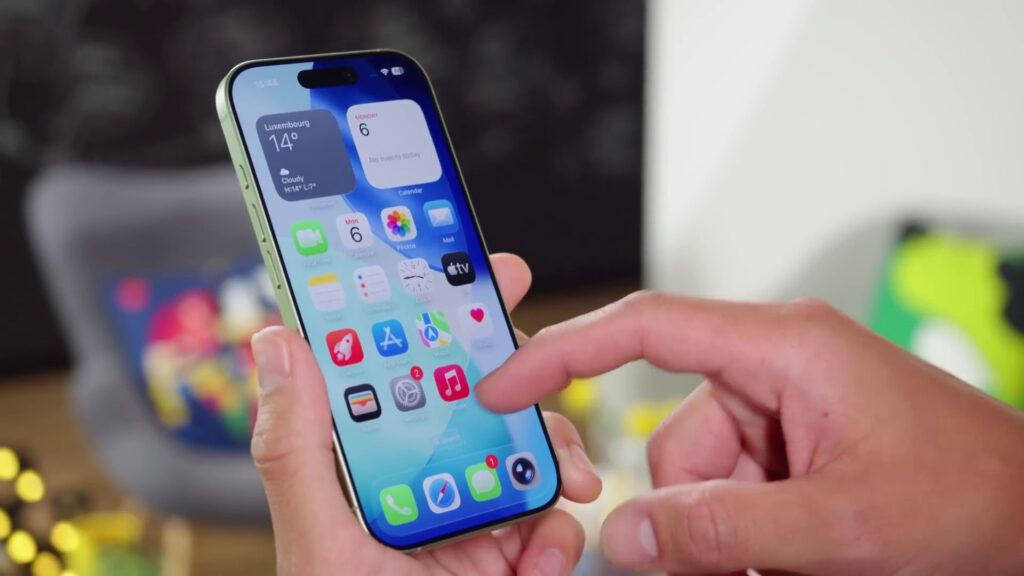
The same set of reports also suggests something Apple almost never does: splitting the iPhone launch window.
The claim is that September 2026 could bring: iPhone 18 Pro iPhone 18 Pro Max Apple’s first foldable iPhone, often rumored as iPhone Ultra
Then spring 2027 (think March or April) could bring: Standard iPhone 18 iPhone 18e Possibly an “iPhone Air 2” type model, depending on how Apple positions the lineup
If that happens, it’s a major shift from Apple’s long-running “big annual fall event” rhythm. The reason isn’t hard to guess: the Pro models and a foldable could be supply-constrained or strategically timed, while the standard models might be held back to spread demand, manage production ramps, or keep the product cycle feeling fresh across more of the year.
Price hikes, 2nm chips, and the foldable iPhone Ultra
Here’s the part that hits hardest: price.
One report points to the iPhone 18 Pro and Pro Max potentially costing up to $200 more than current models. If that’s even close to true, you could be looking at a Pro in the $1,249 to $1,299 range and a Pro Max around $1,349 to $1,399, depending on storage tiers and final positioning.
What’s driving that? A20 Pro on 2nm: TSMC’s next node is expected to be significantly more expensive than 3nm to manufacture. Rising component costs: not just RAM, but advanced camera parts, modems, and higher-density batteries. Apple testing price elasticity: Macs and iPads have seen increases in recent cycles; iPhone has been more stable, but it may not stay that way.
Then there’s the foldable. The “iPhone Ultra” rumor has it starting around $2,500, with higher storage pushing closer to $3,000. That would instantly make it a niche status device, not a mass-market iPhone. But it would also be Apple’s statement that it’s ready to compete in foldables on its own terms: expensive, polished, and aimed at people who want the most.
What the iPhone 18 Pro Max might add next
On the Pro Max side, leaks also point to a few upgrades beyond the chip: A larger battery for better longevity A variable aperture main camera (more like real cameras, with more control over light and depth) A slimmer Dynamic Island A new C2 modem, with talk of expanded satellite features, possibly pushing closer to “satellite internet” style connectivity in limited use cases
The display size is expected to remain around 6.9 inches, and the overall design may not radically change, though camera hardware could make the rear bump thicker.
None of this is confirmed, and Apple can change plans at any point. But taken together, the direction is consistent: more AI capability, more segmentation between base and Pro, and a more expensive top end.
Conclusion
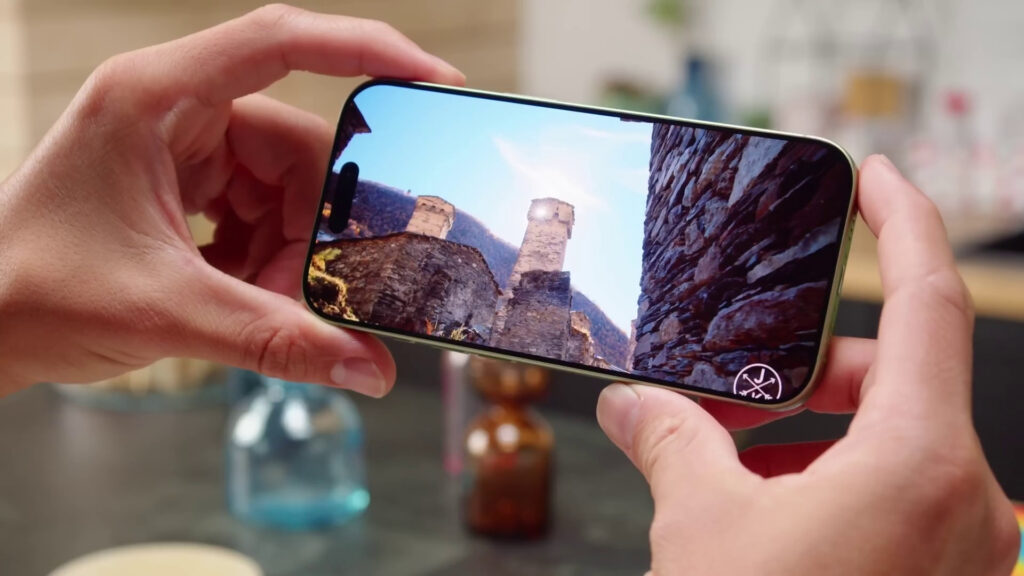
So yes, 9GB of RAM is a weird number. But it’s not a meaningless one. If Apple is using 1.5GB memory dies, 9GB becomes a practical, cost-aware way to add breathing room for Apple Intelligence without handing the base models the same spec headline as the Pros.
Layer on top the rumored split launch, likely price hikes, and a foldable iPhone Ultra that could cost as much as a decent laptop, and the iPhone 18 era starts to look like a real turning point.
What’s your take: would 9GB bother you on principle, or do you only care if the phone stays fast and holds apps without reloading?
For more insights, explore our previous coverage and guides on the Galaxy Z Fold 8
- iPhone 18 Pro price hike may be smaller than feared
- The iPhone 18 Pro May Start at $1,399 This Fall
- iPhone Ultra delay rumor debunked by top Apple leaker