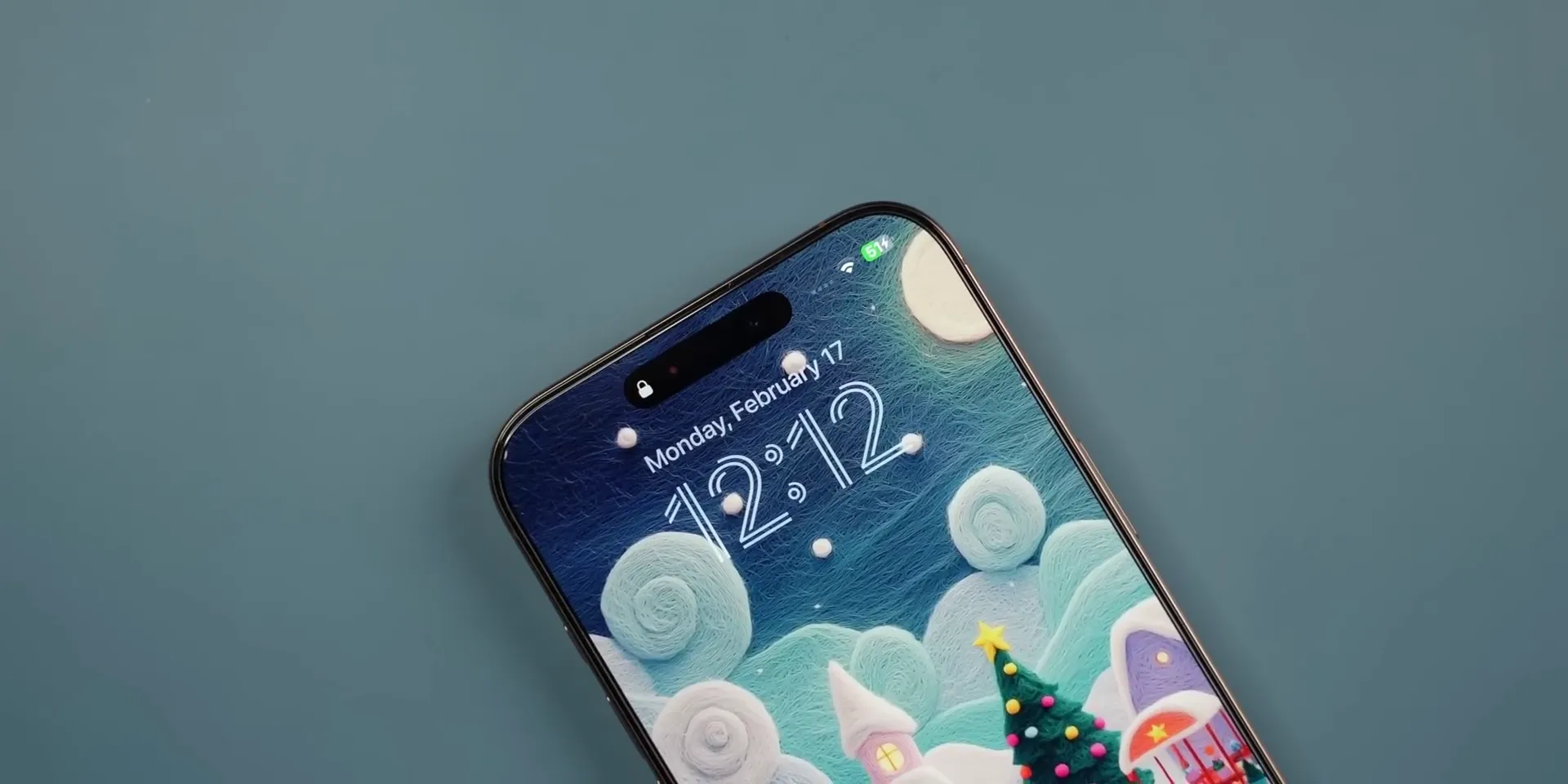
A fresh iPhone 18 Pro rumor suggests Apple is sticking with a regional battery approach it reportedly used last year: different battery capacities depending on where you buy the phone. If true, it’s a reminder that the same “iPhone 18 Pro” label can hide small hardware differences that affect daily experience, especially battery life.
The claim comes from tipster Digital Chat Station, who says the Chinese iPhone 18 Pro will ship with a 4,056mAh battery, while the US model will include a larger 4,288mAh cell. That is a meaningful gap on paper, and it lines up with a very practical reason Apple has already leaned on: internal space.
What the rumor claims and why it matters
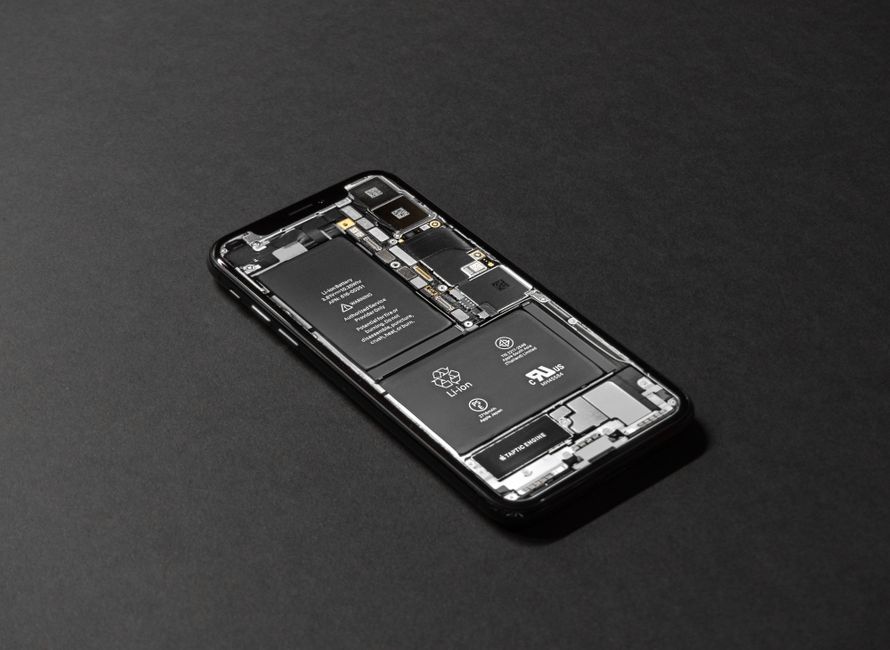
Digital Chat Station’s figures put the US iPhone 18 Pro about 232mAh ahead of the China variant. In percentage terms, that’s roughly a 5–6% difference in rated capacity. Real-world battery life won’t map perfectly to that number because screen efficiency, modem behavior, and software tuning often matter more than raw capacity. But all else equal, a larger cell gives Apple more headroom.
It also influences how buyers interpret reviews. If early battery tests are run on US units (common for many English-language outlets), those results may not precisely match what buyers see in regions where a physical SIM tray still exists. Conversely, if a reviewer tests a China model, US buyers could end up underestimating the battery life they’ll actually get.
This kind of regional split can be confusing because Apple rarely markets battery capacity directly. Most consumers learn about differences after the fact, through teardowns, regulatory filings, or leaks. That makes rumors like this worth tracking, even if you treat them cautiously until the phone is official.
The SIM tray tradeoff behind Apple’s regional batteries
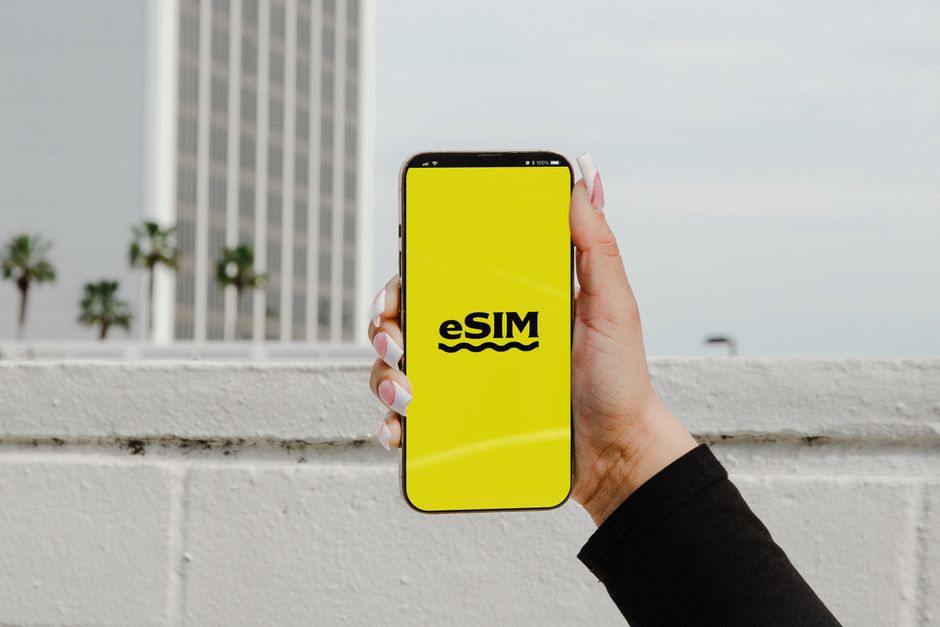
The explanation offered by the rumor is straightforward: Chinese models are expected to include a physical SIM card slot, while US iPhones remain eSIM-only. Removing the SIM tray and its internal housing frees up a small but valuable pocket of space inside the phone—space that can be reassigned to battery volume.
This is not a new idea for Apple. A similar pattern was reported with the iPhone 17 Pro lineup. In China, the iPhone 17 Pro was said to carry a 3,988mAh battery, compared to a 4,252mAh unit in US models. That earlier difference was larger than what’s now rumored for iPhone 18 Pro, but the logic is identical: physical SIM support competes with battery for room in an increasingly dense interior.
The tradeoff is also about regional preferences and regulations. In some markets, physical SIM cards remain popular for resale, business use, travel, and easy line swapping. In the US, Apple has leaned harder into eSIM adoption, which reduces moving parts and can simplify water-resistance design, while also giving Apple more flexibility in internal layout. The catch, of course, is that it can make switching carriers or managing multiple lines feel less intuitive for some users, depending on carrier support.
If Apple continues this approach with iPhone 18 Pro, it would signal a quiet but consistent strategy: use regional hardware constraints to optimize battery where possible, rather than forcing strict global uniformity.
iPhone 18 Pro: expected upgrades beyond battery size
Battery talk tends to dominate because it’s universal: everyone cares how long a phone lasts. But the iPhone 18 Pro rumor mill is also focused on a set of broader upgrades expected when Apple introduces the lineup in September.
First, performance. The iPhone 18 Pro and iPhone 18 Pro Max are widely expected to debut with Apple’s A20 Pro chipset. Year-over-year, the more interesting story is often sustained performance, not peak speed. Better thermals and efficiency can improve photo processing, gaming stability, and video recording reliability. Even if raw benchmarks jump, what people feel day to day is smoother performance under long camera sessions, navigation in heat, or extended editing.
Second, design and display elements. Rumors point to a smaller Dynamic Island, which would reclaim a bit more usable screen area. This is the kind of change you notice most when watching video, reading, or using apps with top navigation bars.
Third, camera hardware and software. Bloomberg’s Mark Gurman has said iPhone 18 Pro could bring the biggest leap in camera hardware in some time, and current rumors cluster around three upgrades: 1. A variable-aperture main camera 2. A wider-aperture Telephoto camera 3. More pro-focused software features in the Camera app
Variable aperture is the headline because it can reshape how iPhone photos look. If Apple allows the camera to open and close its aperture meaningfully, it could give users more control over depth of field, improve low-light flexibility, and potentially deliver more natural-looking portrait separation without relying as heavily on computational blur. The Telephoto lens, meanwhile, has historically been more challenged at night than the main camera. A wider aperture would help it gather more light, which can translate into faster shutter speeds and cleaner detail.
On the software side, reporting from The Information has suggested Apple wants to bring more advanced, professional-grade controls into the built-in Camera app. Apple has already shown willingness to add specialized features (like Dual Capture on newer models), so a Pro-only layer of controls—if implemented cleanly—could appeal to creators who want more than point-and-shoot simplicity but don’t always want third-party apps.
What to watch before the September launch
Between now and Apple’s expected September unveiling, there are a few practical markers that will help clarify this battery rumor.
One is consistency: do multiple independent sources repeat the same mAh figures or the same regional split? Another is the underlying mechanical claim—physical SIM in China versus eSIM-only in the US—which is easier to verify once regulatory listings and carrier documentation begin to surface.
It’s also worth watching how reviewers and buyers talk about battery life once devices are in hand. If US units truly ship with larger cells, early battery tests may look slightly better than what some regions see, even if Apple’s official “hours of video playback” numbers remain the same across markets.
Finally, remember that battery capacity is only one piece. A20 Pro efficiency, modem power draw, camera processing loads, and iOS tuning can easily narrow—or widen—the real-world gap between two batteries that differ by a few hundred mAh.
Conclusion
If the latest rumor is accurate, iPhone 18 Pro buyers could once again see small but meaningful regional hardware differences, with a 4,056mAh battery for China and a 4,288mAh battery for the US. The likely reason is familiar: physical SIM support takes space, and removing the SIM tray lets Apple fit a larger cell.
Even if the battery split ends up modest in day-to-day use, it’s a useful reminder to compare like with like when reading early reviews. And with bigger rumored changes coming to the camera system—variable aperture, a brighter Telephoto lens, and more pro controls—the iPhone 18 Pro story may ultimately be defined by what it helps you capture, not just how long it lasts.
Read More!