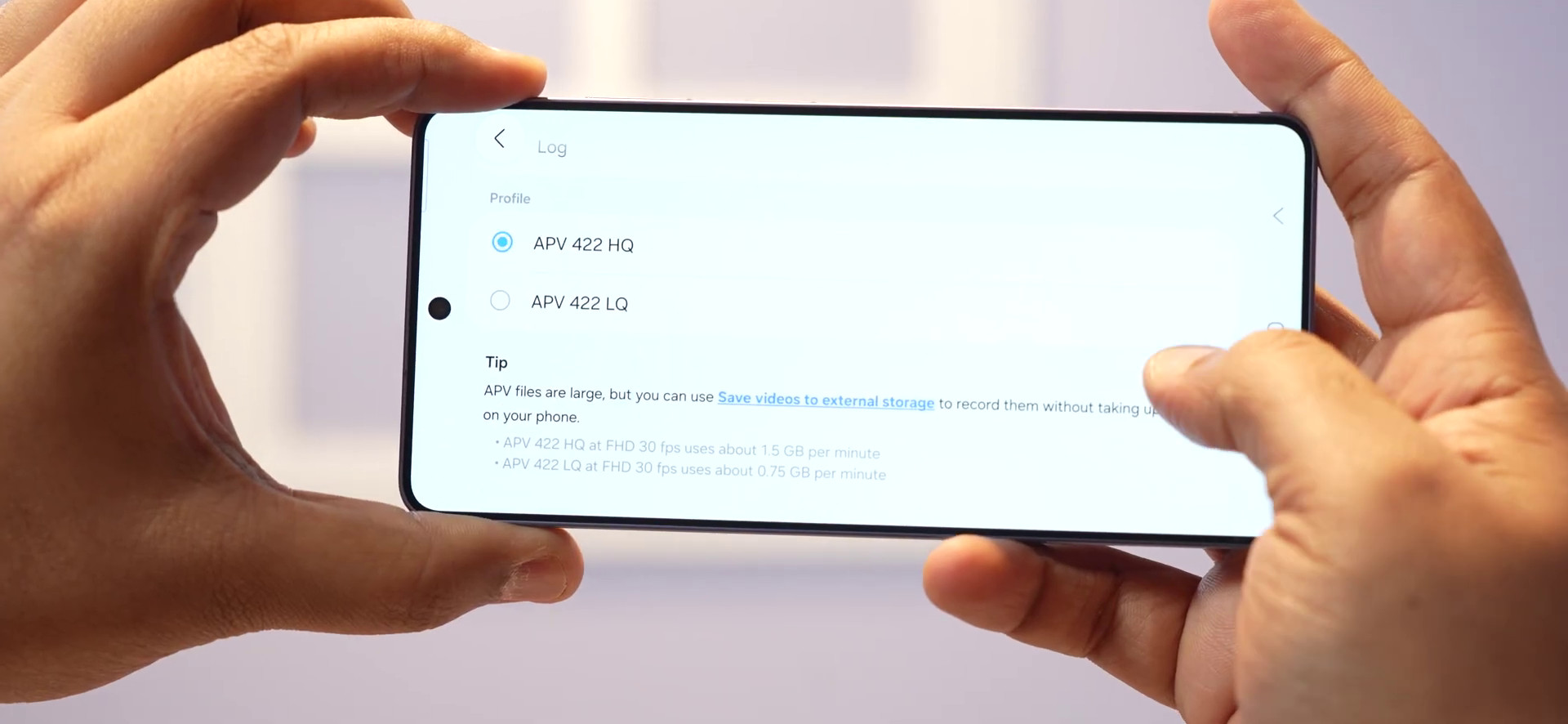
The Samsung Galaxy S27 has surfaced for the first time in a place that’s become a reliable early stop for upcoming phones: the GSM Association’s IMEI database. The listing doesn’t reveal specs, pricing, or photos, but it does something important for anyone tracking new devices: it confirms the name “Galaxy S27” and ties it to a model family starting with SM-S952, followed by a market-specific letter.
The specific entry being discussed is SM-S952U, a designation typically associated with US carrier-bound devices. That detail alone is enough to signal that Samsung’s next flagship line is not only real, but already moving through the early administrative steps that tend to precede wider certifications and, eventually, a launch event.
The first semi-official sign: an IMEI database listing
An IMEI database appearance is rarely exciting on its own, but it matters because it’s one of the earliest semi-official breadcrumbs available to the public. Companies may keep designs and features under wraps for months, but they still need identifiers in the system for manufacturing, logistics, and carrier preparation.
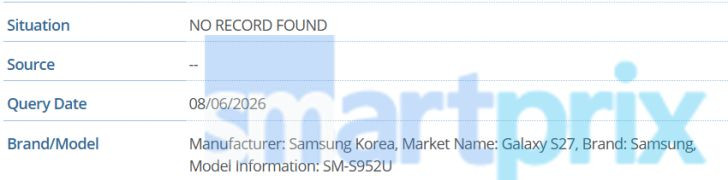
For readers who follow phone launches year after year, the pattern is familiar: an IMEI entry appears, then regional regulatory filings and certifications start rolling in, and finally the more detailed leaks and marketing materials begin to line up. In other words, this is less about what we learn today and more about what it signals for the months ahead.
It’s also a reminder that while rumors come and go, a database listing tends to be harder to fake at scale. It doesn’t guarantee a release date or feature set, but it’s a strong indicator that development has progressed beyond early internal planning.
What the SM-S952U model number tells us
The SM-S952U identifier is the key detail in this first sighting. Samsung’s model numbers generally map to device families and regions, and the trailing letter is often used to denote the market variant. In this case, the “U” variant points to the US carrier ecosystem, meaning the device is expected to be sold through major US operators rather than only as an unlocked global model.
That isn’t surprising. Samsung’s Galaxy S line is a cornerstone of carrier retail in the US, and a new generation arriving through those channels is essentially expected. Still, seeing the carrier-oriented model turn up this early suggests the internal timeline is moving forward as planned.
For general readers, the practical takeaway is simple: the Galaxy S27 is in the pipeline, and the US is part of the plan.
Early rumors: display supplier, chips, and a bigger lineup
Now that there’s at least a confirmation of the name and a US model, attention shifts back to the rumors that have been circulating.
One of the more interesting claims is that the Galaxy S27’s display could be supplied by BOE, a major Chinese panel maker, rather than Samsung Display. That would be a notable shift, although it wouldn’t automatically mean worse quality. The bigger question is consistency: Samsung has built its reputation on display excellence, so buyers will want reassurance that brightness, color accuracy, and long-term durability remain top-tier.
On performance, early talk points to Samsung’s Exynos 2700 SoC appearing in at least some markets, though the US may not be among them. Samsung has a long history of splitting chipsets by region, and many buyers will be watching closely to see whether performance, thermals, and efficiency stay consistent across variants.
Finally, the Galaxy S27 family is rumored to expand to four models instead of three, and become official in January. If accurate, that could represent a meaningful change in how Samsung segments its lineup and pricing, especially if the new model fills a gap between the base and the Ultra.
Galaxy S27 Ultra: battery and design changes people want
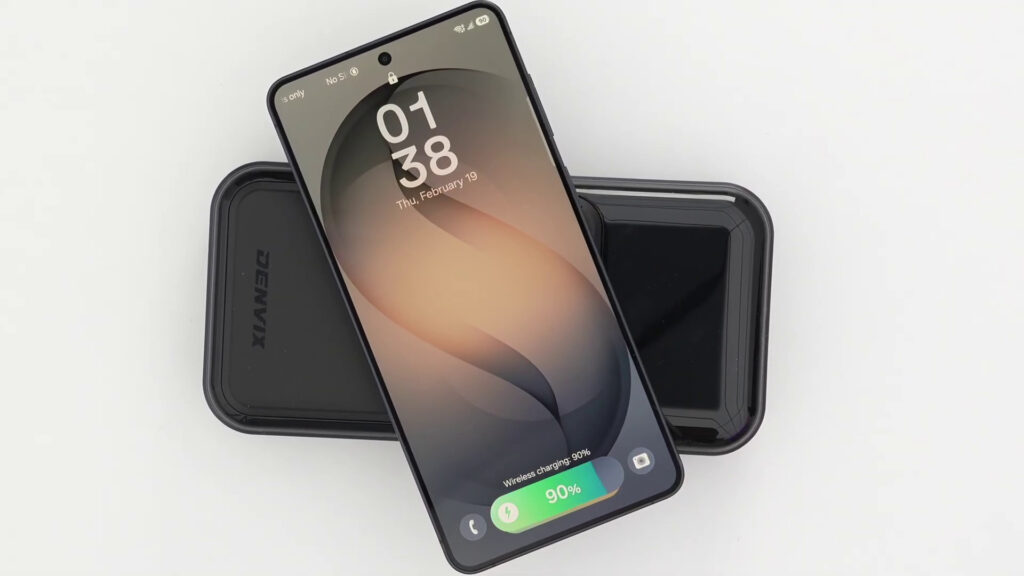
The most widely discussed part of the S27 rumor cycle so far is battery life, particularly around the Galaxy S27 Ultra. Samsung has faced years of frustration from fans who see competing Chinese flagships pushing battery capacities dramatically higher, helped by silicon-carbon battery technology and aggressive internal packaging.
Leaks now suggest Samsung may finally respond with a tangible Ultra battery upgrade. Some reports point to a 6,000mAh capacity, up from the long-standing 5,000mAh figure that has persisted across multiple generations. If that jump happens, it would be one of the most user-noticeable upgrades Samsung could deliver, especially for heavy camera use, navigation, gaming, and long video sessions.
A rumored design change could help make room. One claim says Samsung may adjust the rear camera layout and potentially remove the 3x telephoto camera, freeing internal space. That’s a controversial trade, because camera flexibility is a big part of why people buy an Ultra model. But if Samsung believes the 3x unit is the weakest link at flagship expectations, it may opt to consolidate around stronger sensors and computational improvements.
There’s also talk of weight reduction alongside the larger battery. If Samsung can make the Ultra lighter while increasing capacity, that’s a double win: better endurance without making the phone feel like a brick in the pocket.
Additional rumored upgrades include Qi2 wireless charging support with magnetic accessory compatibility, and an advanced OLED panel using newer materials for higher brightness and better efficiency. On the performance side, some leaks name a Snapdragon 8 Elite Gen 6 Pro built on a 2nm process, paired with LPDDR6 RAM. Those details are early, but the direction is clear: Samsung wants the Ultra to feel meaningfully “next-gen,” not just iterative.
Galaxy S27 Pro: a smaller option with fewer compromises
If Samsung does move to a four-model lineup, the rumored Galaxy S27 Pro could be the most interesting addition for mainstream buyers. The idea sounds familiar: offer much of the Ultra experience in a more manageable size and price tier.
Early details suggest a 6.47-inch display and a 5,000mAh battery, which would be impressive for a device aimed at people who don’t want a massive phone. The Pro reportedly may skip the S Pen, which would help preserve internal space and reduce thickness, while still giving buyers a flagship-grade experience.
Camera-wise, rumors claim the Pro may share the main and ultra-wide sensors with the Ultra. If that holds, it could become a strong value proposition: excellent everyday photography in a smaller body, without paying the full Ultra premium.
All of this needs caution, because prototype specifications can change quickly. But the broader strategy makes sense: a “Pro” model gives Samsung another way to compete with increasingly segmented premium lineups across the industry.
What to watch next before the January reveal
From here, the next signs to look for are additional certifications and regulatory listings across different regions, which often confirm more model variants and sometimes hint at connectivity features. More leaks will follow, and eventually Samsung’s supply chain will start painting a clearer picture of what’s locked in and what’s still in flux.
For now, the IMEI listing does its job: it provides the first solid public trace that the Galaxy S27 is real, named, and being prepared for US carriers. The rest, including the display supplier, chipset split, and the rumored Ultra battery leap, will need more evidence.
Conclusion
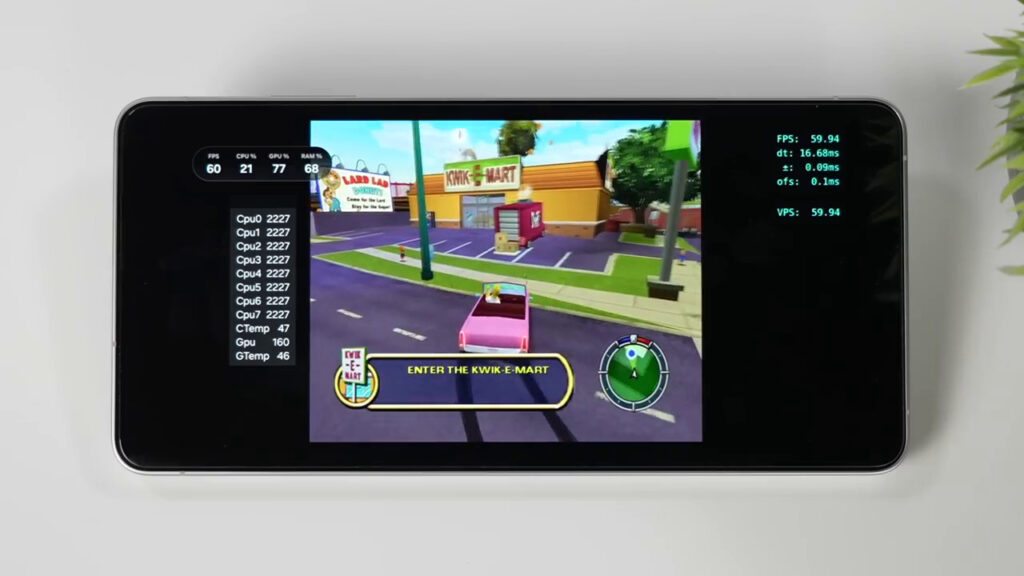
The Galaxy S27’s appearance in the GSMA IMEI database is a small but meaningful milestone: it confirms Samsung’s next flagship generation is in motion and points directly to a US carrier variant in the works. The bigger story is what may come next, with rumors hinting at a four-model lineup, potential changes in display sourcing, and a Galaxy S27 Ultra that finally addresses long-running battery complaints through both design changes and a higher-capacity cell.
If Samsung delivers even part of what’s being discussed, the Galaxy S27 line could feel like a more substantive leap than recent updates. Until certifications and more concrete leaks arrive, treat the specifics carefully, but consider the direction promising: more choice, better endurance, and a clearer attempt to answer what buyers have been asking for.
Read more: Samsung Galaxy S27 Appears in IMEI Database First
One UI 9 Beta Feels Small, But Samsung’s Plans Are Big