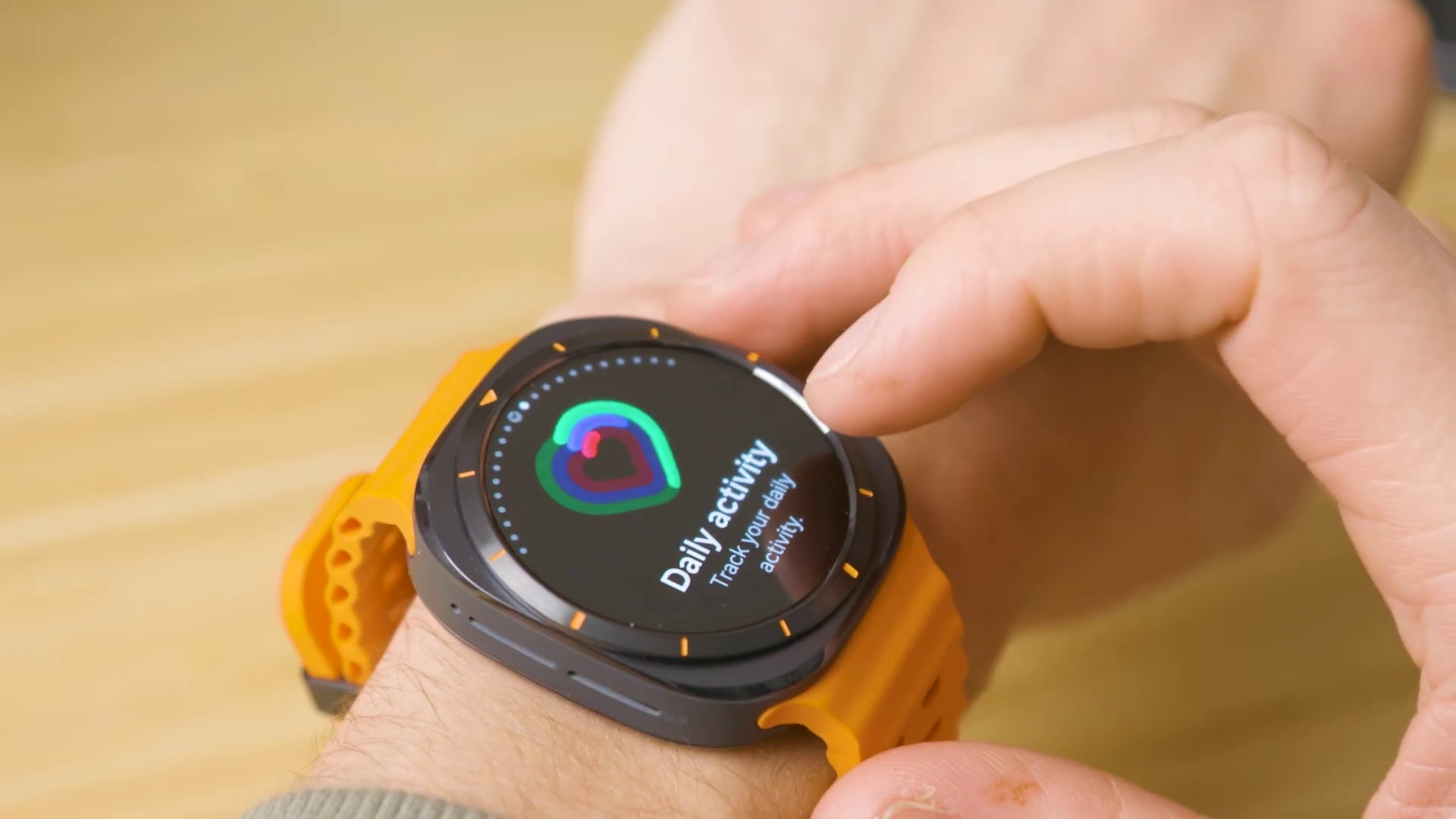
Galaxy Watch Ultra 2 One UI 9 Wear OS 7 features are shaping up to be a meaningful upgrade, not a full redesign. The latest leaks and early details point to a more refined look, a new flagship-grade chip, and a notably larger battery that could finally push the Ultra line past the “charge every other day” routine.
Samsung hasn’t published an official spec sheet yet, but enough has surfaced to paint a pretty clear picture of what the Galaxy Watch Ultra 2 is trying to be: the same rugged premium identity, with better performance and endurance, plus a few more health and wellness tricks.
Launch window, price, and what’s actually confirmed
Right now, the timing being discussed most consistently is a July 2026 announcement, likely at a Galaxy Unpacked event. The date floating around is July 22, 2026, with pre-orders opening the same day and retail availability landing around August 5, 2026. That lines up with Samsung’s usual cadence for pairing wearables with its foldables, and the expectation is that the Galaxy Watch 9 and Galaxy Watch 9 Classic launch alongside it, plus the Galaxy Z Flip 8 and Galaxy Z Fold 8.
Price is the big question, but the most realistic expectation is “similar to last time.” In the US, that means a likely $699 starting point for the Ultra 2, assuming Samsung doesn’t reposition the line. There’s also chatter about a Bluetooth-only variant, which would be a smart move if (and only if) it actually lowers the cost. A cheaper Ultra without LTE would instantly appeal to people who want the best hardware but don’t want another monthly plan.
Design and display: familiar Ultra vibes, slightly cleaner
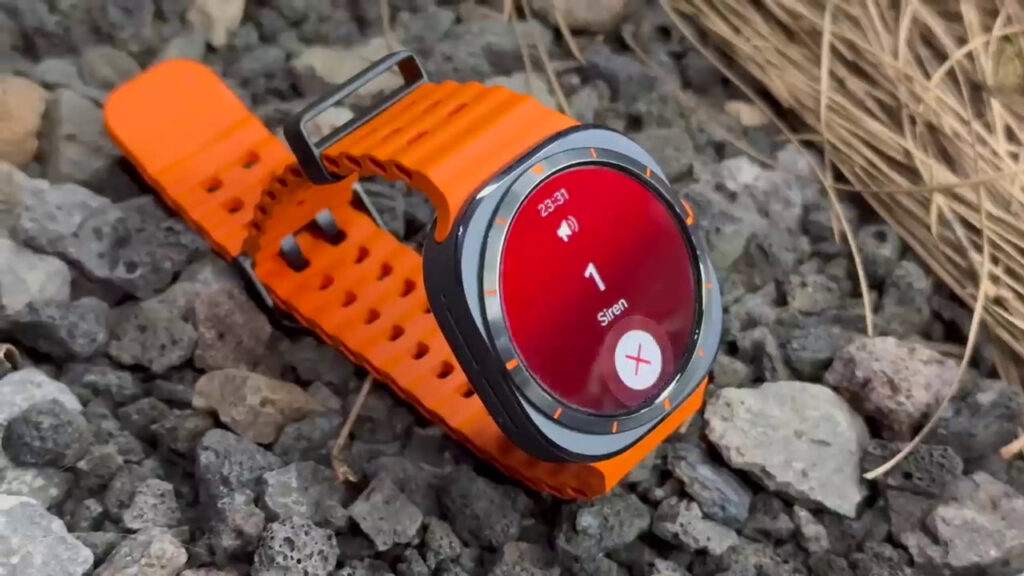
The Galaxy Watch Ultra 2 seems to keep the Ultra formula: a 1.5-inch circular Super AMOLED panel with a peak brightness of at least 3,000 nits. That brightness number matters more than it sounds like on paper. If you run outdoors, hike, or bike, 3,000 nits is the difference between “glanceable” and “hand-shading your wrist like a tiny solar eclipse.”
The overall housing still looks like the signature squircle case, reportedly Armor Aluminum 2, with a circular bezel on top that includes hour markings. On the right side you get three physical controls (Back, Action, and Home), and the loudspeaker sits on the left.
One noticeable change is the strap approach. The Ultra 2 is expected to ship with a simpler 20mm silicone strap and a dual-buckle tongue for a more secure fit, dropping the ridged strap styling seen on the original Galaxy Watch Ultra. Colors mentioned so far include Titanium Grey and Titanium Silver, which fits the whole “premium tool watch” vibe Samsung is clearly committed to.
If you’re hoping for a radical redesign, this probably isn’t it. But if your complaint about the first Ultra was that it felt a bit busy or over-styled, the Ultra 2’s cleaner strap and subtle tweaks may be exactly the kind of refinement you want.
Specs and battery: Galaxy Watch Ultra 2 One UI 9 Wear OS 7 features meet a new chip
This is where the Galaxy Watch Ultra 2 gets interesting. The headline is the rumored move to Qualcomm’s Snapdragon Wear Elite chip. On paper, it’s positioned as an upgrade over the Galaxy Watch Ultra’s Exynos W1000, with higher CPU clock speeds and likely stronger GPU performance. In real life, that should translate into fewer stutters, faster app loads, smoother maps during workouts, and more reliable multitasking when you’re juggling music controls, notifications, and fitness tracking at the same time.
The memory and storage numbers being floated are 2GB of RAM and 64GB of storage, which would keep it competitive for offline playlists, apps, and on-watch navigation features.
Connectivity also looks properly flagship: dual-band GNSS support (BeiDou, Galileo, GLONASS, plus L1 + L5 GPS), Wi‑Fi 5, and Bluetooth 5.4 with LE support. The dual-band GNSS piece is especially important if you care about distance accuracy in dense cities, under tree cover, or on winding trails.
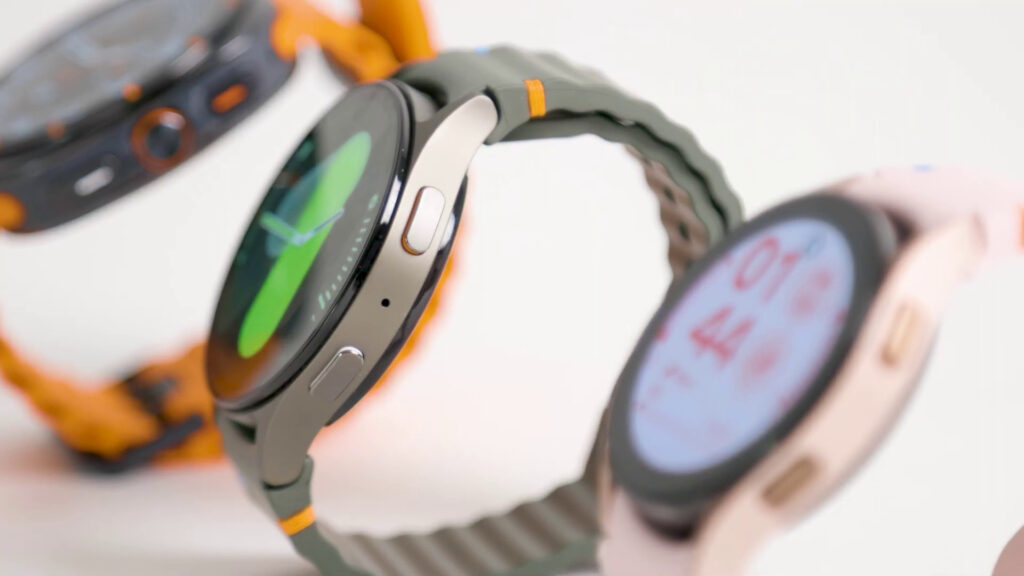
Then there’s the battery. The Ultra 2 is expected to use a rated 784mAh pack that Samsung may market as a typical 800mAh battery. That’s roughly a 35% increase compared to the 590mAh battery in the prior Ultra models. Pair that with a next-generation chip, and it’s reasonable to expect a real jump in endurance, not just “up to” marketing speak.
If Samsung claims more than three days of battery life for the Ultra 2, it wouldn’t be shocking. The bigger question is what “three days” means: always-on display on or off, GPS workouts daily or occasional, LTE enabled or disabled, sleep tracking every night, and so on. Still, the raw capacity increase is the kind of upgrade you feel every single day.
And yes, software matters here too. Galaxy Watch Ultra 2 One UI 9 Wear OS 7 features should include efficiency improvements, better background handling, and smoother health tracking integrations. Even small optimizations can stack up when you’re wearing the watch 24/7.
Health tracking: what’s new, what’s improved, and what should be unlocked
On sensors, the Ultra 2 sounds well-equipped: accelerometer, altimeter, barometer, BIA sensor for body composition, compass, GNSS, gyro, and a heart rate monitor. Tracking includes the usual core set: SpO2, heart rate, steps, sleep (duration, quality, stages), VO2 max, and workout metrics.
The more modern additions are what will get attention, especially if Samsung keeps pushing wellness insights beyond basic fitness stats. The list being mentioned includes Advanced Glycation End Products (AGEs), Antioxidant Index, and Vascular Load. If Samsung can explain these clearly and show how they change your day-to-day decisions, they can be genuinely helpful. If they’re buried in charts and vague “scores,” most people will ignore them after week two.
Now for the complaint that refuses to go away: feature exclusivity. If Samsung is going to sell a $699 premium Android smartwatch, it’s hard to defend locking key health tools behind Galaxy phones. Blood pressure monitoring, ECG, and sleep apnea detection (in certain regions) are exactly the kind of headline features people buy an Ultra for. Google doesn’t lock its best health features to Pixel phones, and Samsung doesn’t need to either.
If the Galaxy Watch Ultra 2 One UI 9 Wear OS 7 features list expands, Samsung has an opportunity to make the launch feel bigger by widening compatibility. Even partial progress would be meaningful: open ECG and blood pressure where approved, simplify setup on non-Samsung Android phones, and make sure buyers know what works before they spend flagship money.
Conclusion
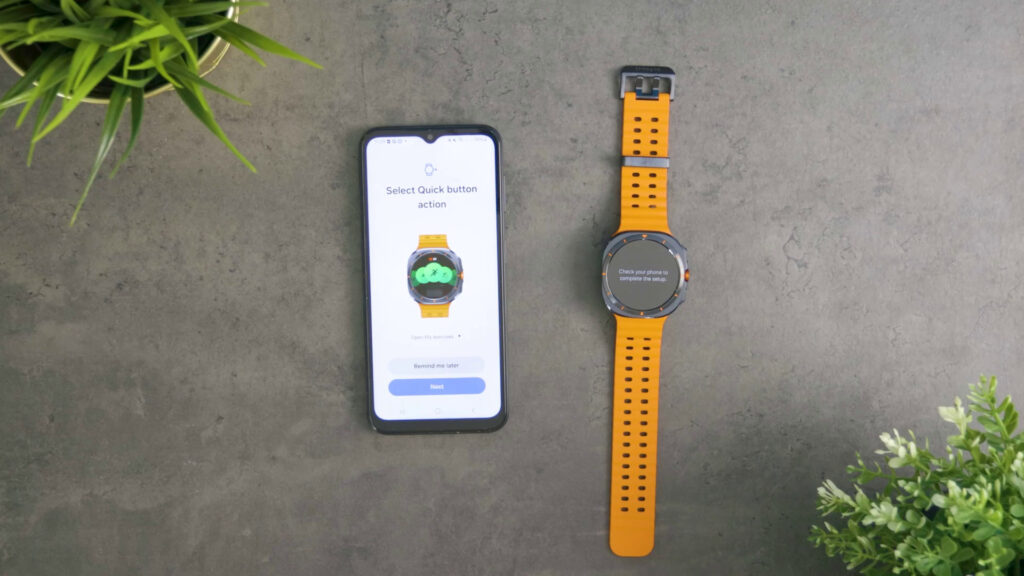
The Galaxy Watch Ultra 2 looks like a “fix what matters” upgrade: keep the recognizable Ultra design, clean up the strap, boost brightness, and focus on performance and battery life. The rumored Snapdragon Wear Elite chip plus the much larger 800mAh-class battery could be the combination that finally makes the Ultra feel effortless to live with, especially for people who track sleep and workouts daily.
If Samsung also uses this launch to reduce feature lock-in and (ideally) introduce a cheaper Bluetooth-only option, the Galaxy Watch Ultra 2 could become the easiest Ultra to recommend yet. Until the official announcement lands, the smartest stance is cautious optimism: the hardware leaks sound excellent, and now it’s on Samsung’s software and pricing decisions to match that potential.