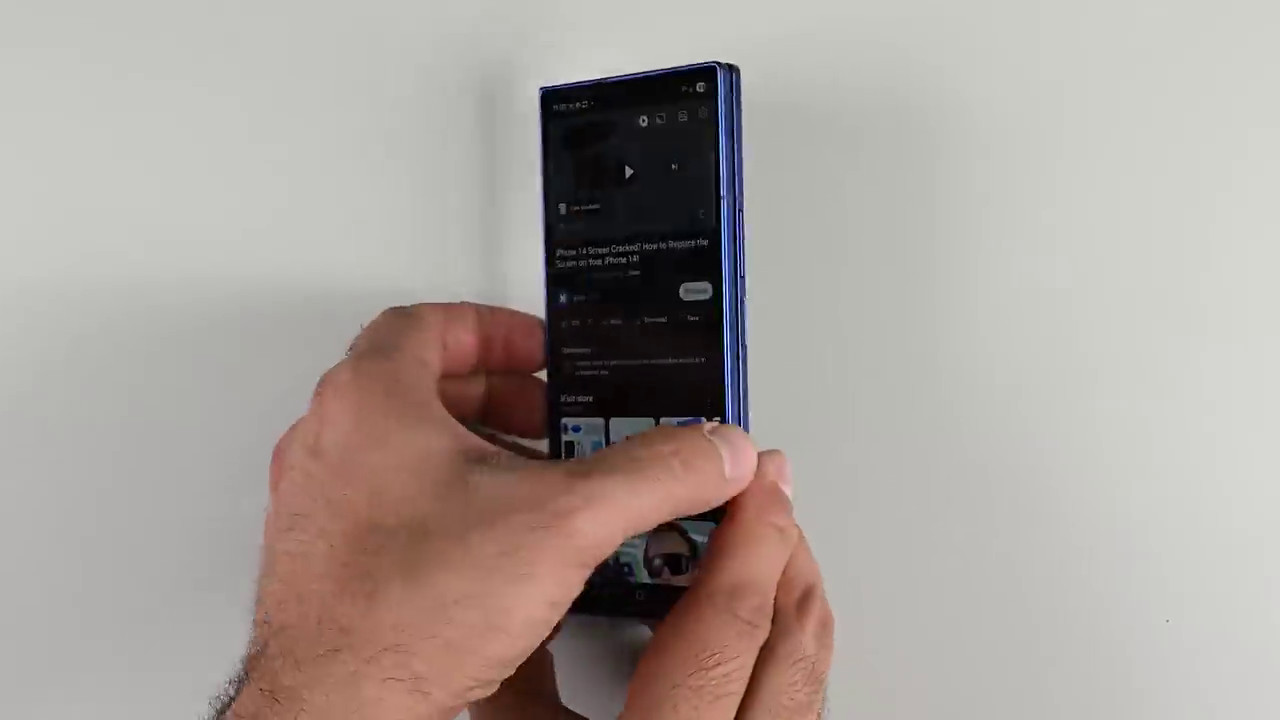
Samsung’s Galaxy Z Fold line has steadily moved from an experimental form factor to a serious productivity device, and the Galaxy Z Fold 8 Ultra looks positioned as another step in that direction. The headline changes are less about radical reinvention and more about polishing the daily experience: better point-and-shoot photos, sharper screens, less weight in your pocket, and faster charging.
But alongside the hardware updates, there’s a more complicated story forming around the foldable category itself. Production costs are rising, consumer preferences are shifting, and Samsung’s sales expectations appear more conservative than in past cycles. For buyers, that combination matters almost as much as the spec sheet.
Below are the seven most important upgrades coming to the Galaxy Z Fold 8 Ultra, plus what they suggest about where foldables are headed next.
Camera Enhancements: Sharper and Smarter
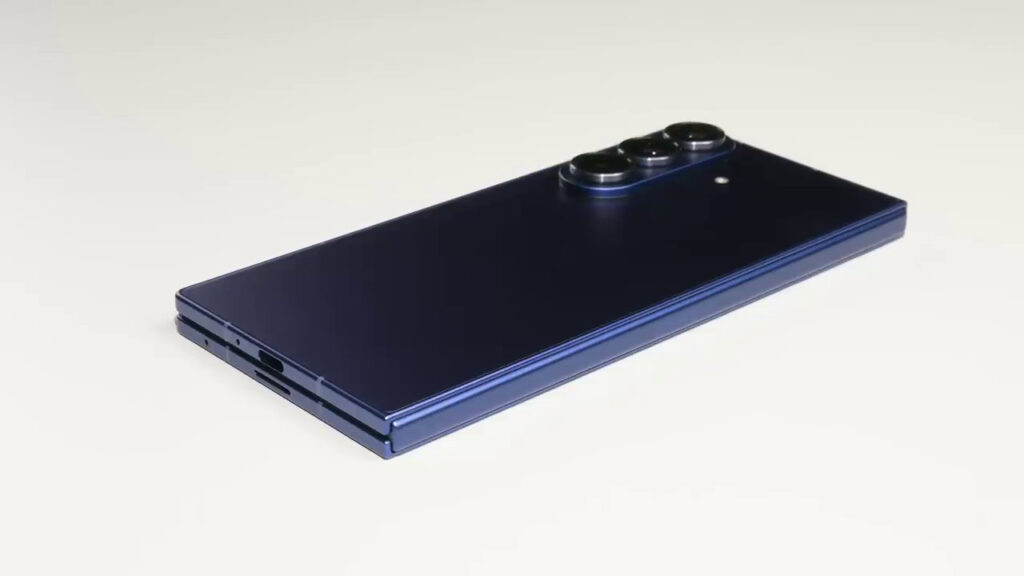
The most user-facing camera change is a new 24 MP photo mode that’s integrated directly into the stock camera app. The key detail is that it’s designed to be “on by default” in the sense that users won’t need to hunt through settings or manually trigger a separate mode to get higher-quality results. That’s the kind of refinement that changes day-to-day satisfaction: faster capture, fewer mistakes, and more consistent images.
This capability has reportedly been associated with the Galaxy S26 Ultra previously, and its arrival on the Fold 8 Ultra reinforces Samsung’s pattern of using Ultra branding to signal camera-first priorities. The flip side is the optics around older devices. If comparable high-end “Ultra” phones with 200 MP sensors don’t receive similar software improvements, some owners will read that as a narrowing upgrade path, where top features increasingly stay locked to the newest models.
For general readers, the takeaway is simple: the Fold 8 Ultra appears to push computational photography forward, but it also raises familiar questions about how long premium devices remain “fully supported” with the best camera processing features.
Display Improvements: Sharper Visuals
Samsung is also leaning into one of the biggest reasons people buy a foldable: the display experience. The cover screen is said to reach 432 pixels per inch, while the main display hits 403 pixels per inch. Compared with the Z Fold 7, that’s about a 10% improvement in sharpness.
On paper, PPI can sound like a niche metric. In practice, it shows up in the places people notice most: small text in emails and spreadsheets, cleaner edges in high-contrast UI elements, and less fuzziness in games and high-resolution video. If you use the Fold like a mini tablet for reading, multitasking, or streaming, extra sharpness can reduce eye strain and make the whole interface feel more “printed” than “pixelated.”
Still, these are incremental gains, not a format-changing leap. For anyone already on a recent foldable, the real question won’t be whether it looks better, but whether it looks better enough to justify a premium upgrade cycle.
Design and Weight: Lighter and More Portable
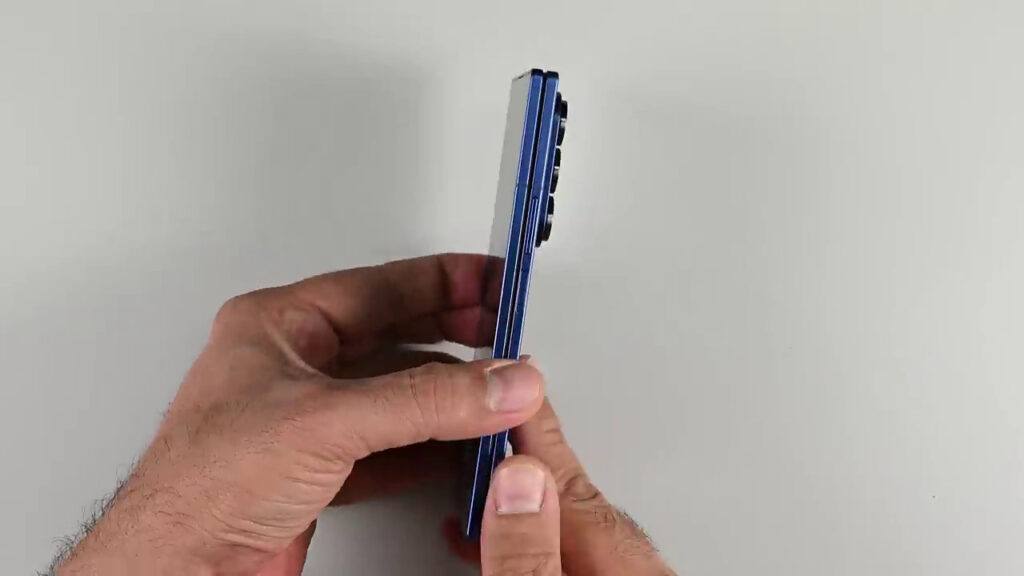
Foldables have often been criticized for feeling like two phones stacked together. Samsung’s answer with the Z Fold 8 generation is a clear push toward portability. The Z Fold 8 is reported at 201 grams, while the Z Fold 8 Ultra comes in slightly heavier at 215 grams. Even so, those numbers compare well against major rivals, with devices like Huawei’s Pura X Max listed around 229 grams and rumors placing an iPhone Fold closer to 250 grams.
Weight sounds trivial until you carry the device every day, hold it one-handed on a commute, or prop it up for a long call. Shaving even 10 to 20 grams can be the difference between “impressive tech” and “something I actually want to use daily.”
Samsung is also aiming for a thinner profile when unfolded, which improves ergonomics. That matters for the core Fold promise: open it up and you get a tablet-like canvas, but it still needs to feel comfortable enough to use for real work, not just quick demos.
Charging and Battery: Faster and Longer-Lasting
Battery and charging are two of the most practical upgrades in this cycle. The Z Fold 8 series is expected to support 45 W fast charging, a meaningful bump that can reduce the anxiety of topping up between meetings or before travel. Faster charging can also change how people use the phone: fewer overnight charges, more short “pit stop” charges during the day.
Battery capacity is also said to be improved, which pairs well with a sharper, brighter foldable display that can otherwise pull more power during heavy use. For foldable owners who multitask, stream video, or run navigation while charging wirelessly in a car, better endurance isn’t glamorous, but it’s often the upgrade that feels most important after a few weeks.
There is one notable inconsistency across Samsung’s foldable lineup, though: the Z Flip 8 reportedly remains at 25 W charging. That gap may frustrate buyers who see charging as a baseline feature that should improve across the entire family, not only on the Fold.
New Accessory: Carbon Standing Case
Samsung is also introducing a new first-party accessory: the Carbon Standing Case. It appears designed to add utility without undoing the slimmer, lighter direction of the hardware. A carbon-fiber finish signals “premium,” but the more important addition is the built-in stand, which directly supports how foldables are used in real life.
A stand is valuable for video calls, watching a match while cooking, taking timed photos, or running two apps side-by-side while the phone sits upright on a desk. It’s not a revolutionary idea, but it’s a practical one, and it suggests Samsung is paying attention to the “ownership experience,” not just the phone itself.
Sales Expectations: A Cautious Outlook
The market story is where things get especially interesting. Samsung’s shipment expectations for the Z Fold 8 series are reportedly in the 5 to 6 million unit range, down from last year’s combined Z Fold 7 and Flip 7 performance.
Part of that is the cooling demand for flip-style foldables, which are now said to account for less than 10% of foldable sales. That’s a major shift from earlier years when compact flip phones were often treated as the more mainstream entry point into foldables.
A more cautious forecast doesn’t necessarily mean Samsung lacks confidence in the product. It may reflect a category that’s maturing, where growth is harder, competition is stronger, and buyers hold onto expensive devices longer.
Market and Pricing Challenges
Rising production costs could be the next pressure point. Foldables already carry premium pricing because of complex hinges, flexible displays, and additional durability engineering. If component costs continue climbing, retail prices may rise further, and that can quickly narrow the audience, especially in price-sensitive markets.
Samsung’s reduced forecast also reads like a signal to investors and suppliers: the company expects tougher conditions, and it’s managing risk. For consumers, the concern is straightforward. If prices climb while upgrades remain incremental, more buyers may choose to wait another year, buy last year’s model at a discount, or consider competing brands offering aggressive pricing.
This is the balancing act for the whole foldable industry: keep innovating fast enough to feel worth the premium, while making devices affordable enough to grow beyond enthusiasts and early adopters.
Conclusion
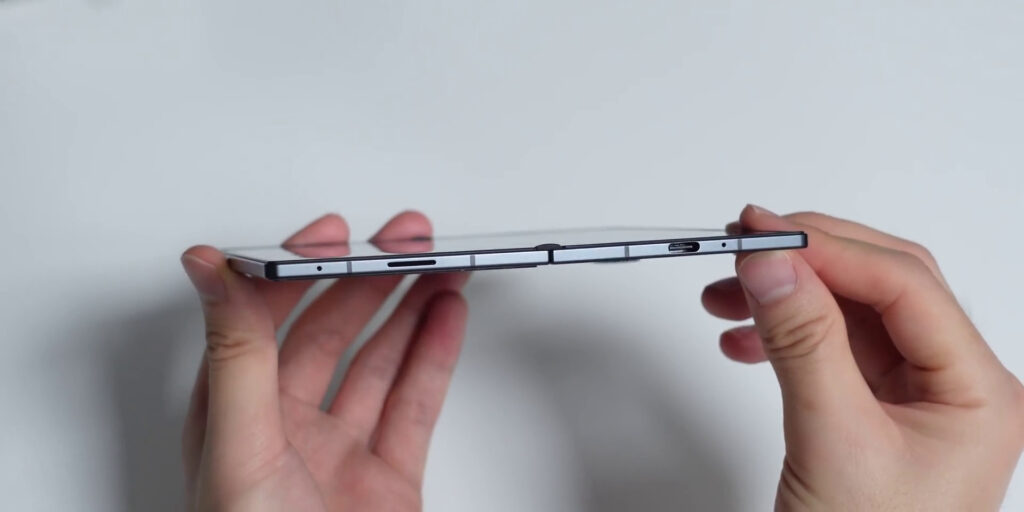
The Galaxy Z Fold 8 Ultra looks like a refinement-focused release: smarter camera processing, sharper displays, a noticeably lighter feel, and charging improvements that matter in everyday use. It’s a clear attempt to make the Fold experience less like a tech compromise and more like a polished flagship that happens to fold.
At the same time, Samsung’s cautious sales outlook and the prospect of higher prices show the headwinds facing foldables as they move into a more mature, competitive phase. For buyers, the value will come down to priorities. If you want the best Fold Samsung offers with practical quality-of-life upgrades, the Z Fold 8 Ultra is shaping up to be a strong option. If you already own a recent foldable and care most about cost, the more measured pace of changes may make waiting, or buying last year’s model, the smarter move.
Read more: 7 Major Upgrades Coming to Samsung Galaxy Z Fold 8 Ultra
Galaxy Z Fold 8 Ultra Clears BIS Certification Pre-Launch