
It’s been barely a month since Apple introduced the MacBook Neo, its lowest-priced new laptop to date, and demand has been unusually strong. With a $599 starting price in the U.S. (and steeper education discounts), some configurations are already hard to find in stores, while certain colors show multi-week shipping windows.
Now a new Bloomberg report suggests Apple may face a practical problem: it could run short on the chips that make the Neo’s price possible. If that supply runs dry, Apple has a clear way to keep production moving—release the MacBook Neo 2 sooner than expected.
Why the Original Neo Is So Cheap
The Neo’s affordability comes with predictable compromises: no backlit keyboard, no Force Touch trackpad, and a Retina display that skips premium features such as Mini-LED and wide color gamut. Those changes reduce component cost, but the bigger lever is inside the machine.
The first MacBook Neo is widely expected to rely on repurposed chips—specifically surplus A18 Pro inventory originally intended for iPhone 16 Pro-class devices. Using existing silicon helps Apple keep the entry price low without building an entirely new supply chain for an ultra-budget Mac.
The Supply Crunch Behind the “Early Neo 2” Rumor
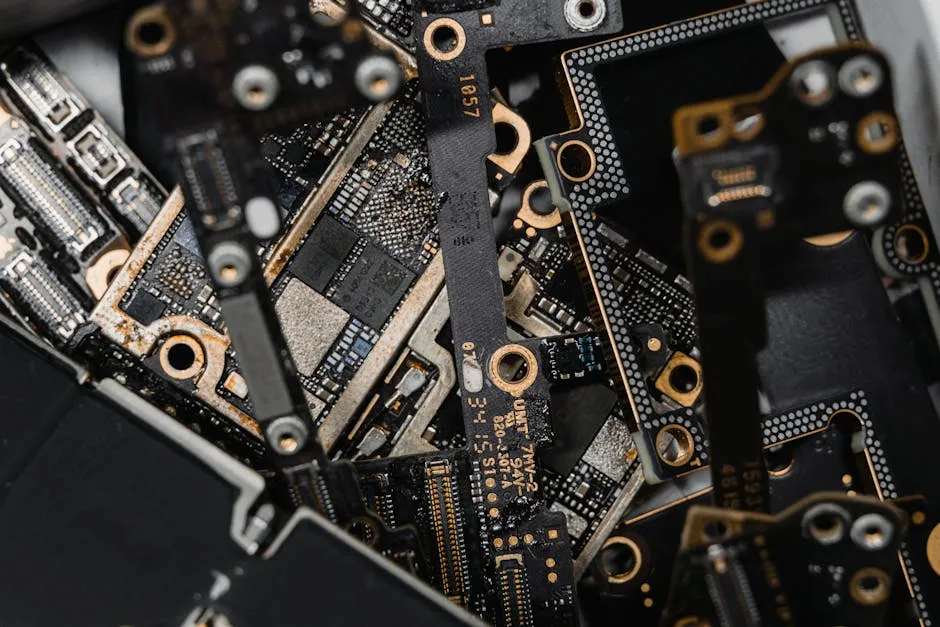
According to the report, the Neo is selling so well that the available pool of A18 Pro chips may be depleted faster than Apple planned. Re-starting or expanding A18 Pro production just for a low-cost laptop would be expensive and difficult to justify, especially when those fabs are scheduled around newer parts.
That’s where the Neo 2 rumor gains traction: instead of ramping older silicon, Apple could pivot to surplus A19 Pro chips—parts originally meant for the iPhone 17 Pro line. In other words, the “Neo 2” may be less about a traditional annual refresh and more about keeping shelves stocked with the most cost-effective chip Apple can actually source at scale.
What Upgrades the A19 Pro Could Enable
If the MacBook Neo 2 does move to A19 Pro, the performance bump could be meaningful for everyday buyers. Leaks and estimates point to roughly a 10% gain in single-core CPU performance and about 15% in multi-core tasks. That should translate into faster app launches, smoother multitasking, and less lag when you have a pile of browser tabs open.
Graphics could improve even more dramatically. A 33% GPU uplift has been floated, with Geekbench Metal scores reportedly trending above 40,000. For general readers, that means better longevity for creative apps, more comfortable casual gaming, and quicker timeline scrubbing in video editors.
Other rumored improvements target the Neo’s biggest practical constraints: base memory could rise from 8GB to 12GB, and SSD performance may double, which matters when macOS uses swap memory under heavier loads. Battery life could also edge up by about an hour thanks to the efficiency of newer silicon, with faster charging (possibly up to 40W) addressing a common complaint about entry devices.
Conclusion
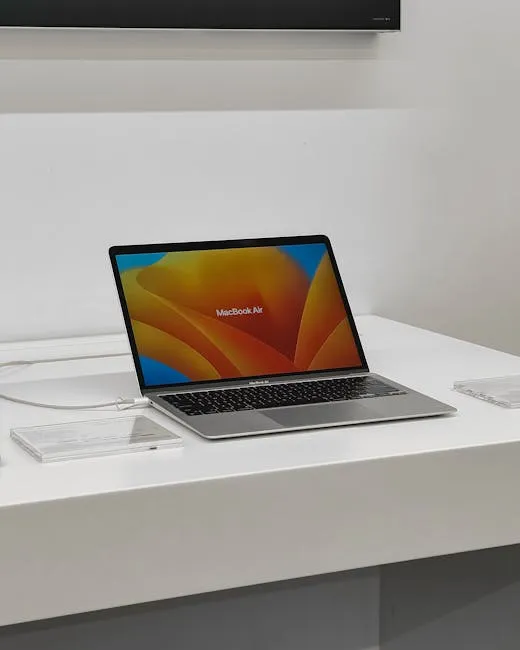
The headline rumor—MacBook Neo 2 arriving early—comes down to a simple equation: demand is high, A18 Pro supply is finite, and Apple has a warehouse-and-planning incentive to repurpose A19 Pro parts rather than restart older production.
Nothing is official until Apple announces it, but if stock constraints persist and the chip pivot is real, an earlier-than-expected Neo 2 would be a logical move—one that could bring better performance, more memory headroom, and improved battery life without abandoning the Neo’s core promise: a genuinely affordable Mac laptop.
Read more!