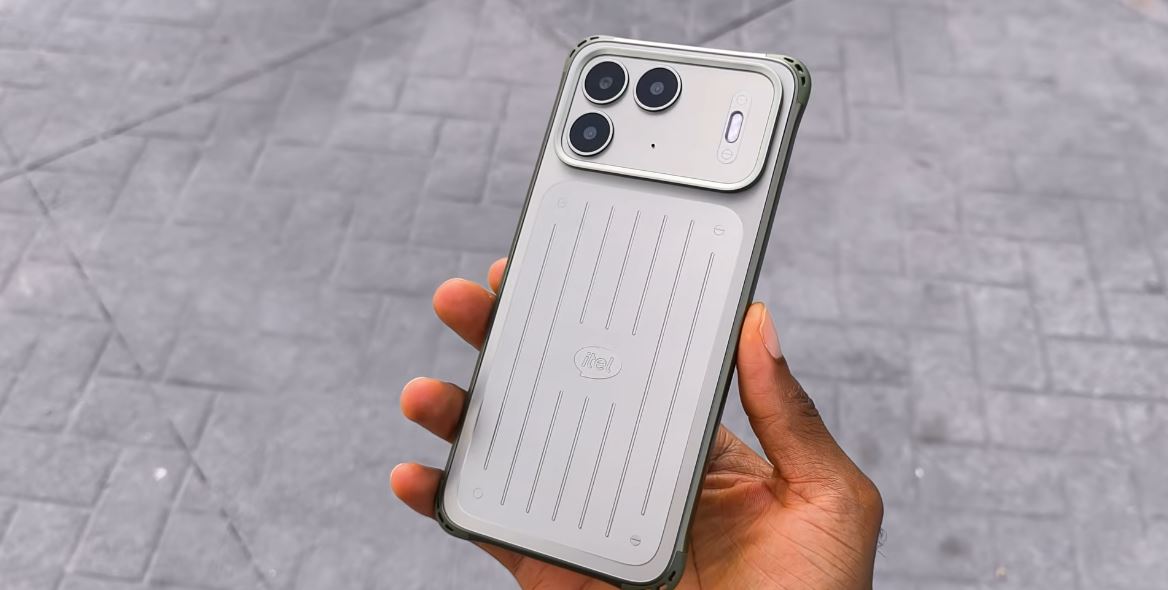
The iTel Power 80 is easy to misunderstand. If you’re expecting strong cameras, reliable gaming performance, or anything close to a balanced mid-range experience, this is not that phone. It’s not even trying to be.
This device is built around two priorities: battery life and durability. Most of the other choices feel like they were made after those two boxes were already checked. That framing matters, because it explains both why the phone might be perfect for a specific buyer and why it’s a frustrating purchase for everyone else.
Now, let’s start with the obvious: battery.
The quick verdict: what this phone is really for
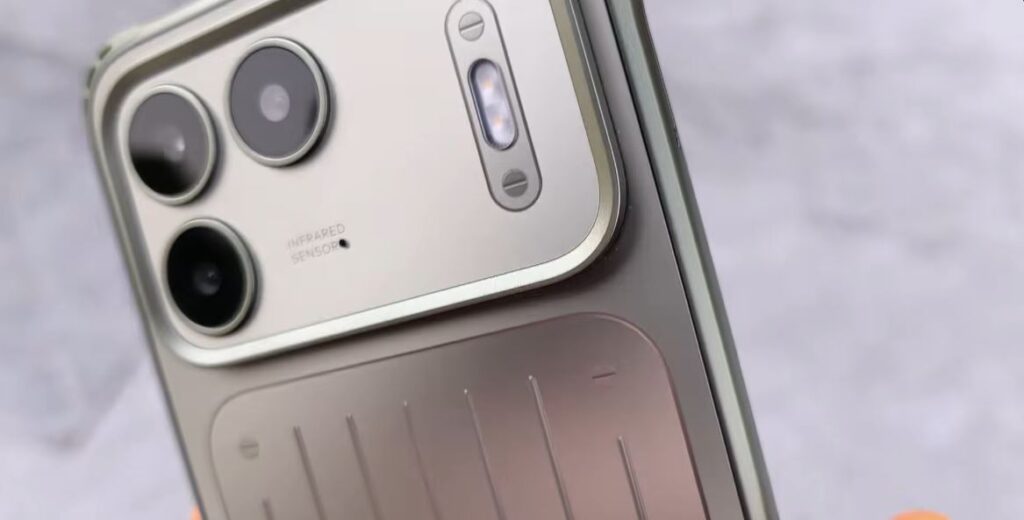
From a news-style buying perspective, the iTel Power 8 is a phone with a narrow mission. It aims to reduce charging anxiety and survive more day-to-day abuse than a typical entry-level device. If that sounds like your top priority, the compromises may be worth it.
But if your checklist includes a crisp display, consistent performance under load, and camera output you can rely on in mixed lighting, you’ll notice the trade-offs quickly. This is a “battery first” product, not a “best phone for the money” product.
The simplest way to think about it: the iTel Power 8 is designed for people who treat a smartphone like a tool. Everyone else will likely find it limiting.
Battery life: the main reason it exists
The headline feature is a 7,000 mAh battery. In real-world use, that’s the difference between monitoring your percentage all day and just using your phone normally. For many users, it changes habits: fewer top-ups, fewer moments of panic, and less dependency on carrying a power bank.
For light to moderate use, it’s the kind of battery that makes you stop thinking about charging altogether. Messaging, social media, YouTube, calls, navigation, and hotspot use become less of a daily planning exercise.
The trade-off is charging time. A battery this large paired with 18 Watt charging means that when you finally do need power, you’re waiting. This isn’t the kind of phone you plug in for 15 minutes before leaving the house and expect a meaningful boost. It’s more like an overnight routine, or a long desk charge while you work.
If your day is unpredictable and you rely on quick charging to bail you out, the Power 8 can feel slow and stubborn. Its advantage is endurance, not speed.
Durability claims: tough, but not a true rugged phone
iTel is leaning hard into the “no case era” messaging, and on paper the durability pitch is strong. You’re looking at IP68 and IP69 ratings, plus rugged-styled design cues and protection claims that push it closer to rugged phones than typical entry-level models.
That said, it’s important to separate “more protected than usual” from “a dedicated rugged phone.” The iTel Power 8 isn’t built like the thick, heavy-duty devices meant for repeated drops and harsh worksites without concern. It’s better described as a regular budget phone with an extra protection layer on top.
Is that useful? Yes, especially for users who are hard on devices, work outdoors, or deal with dust and water exposure. But it shouldn’t be treated like a license to be careless. If you buy it expecting the indestructible feel of a true rugged handset, you may be disappointed.
Still, for the price category this type of protection is meaningful, and it aligns with the phone’s overall “tool first” identity.
Display and performance: smooth, not sharp or fast
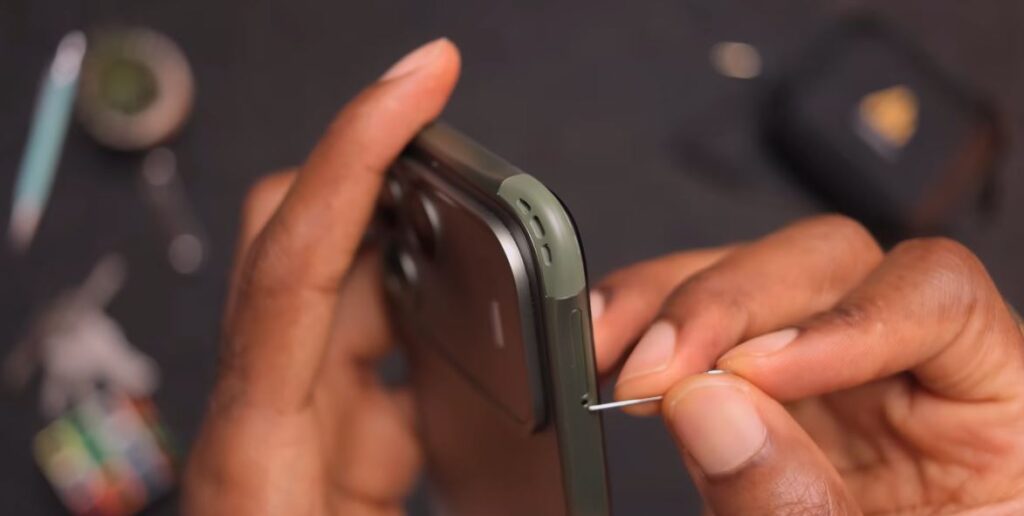
The display is a 6.78-inch panel with a 120 Hz refresh rate. That spec looks impressive on a budget phone, and for basic scrolling it helps. Menus and social feeds feel fluid, and the phone often appears faster than it actually is because motion is smoother.
But the resolution is HD+, and that’s where the cost cutting shows. Text isn’t as crisp as it would be on a Full HD+ panel, and fine details can look softer, especially when you’re reading for long periods, viewing smaller fonts, or watching higher-quality video.
Performance is driven by a Unisoc T7250 chipset, and it behaves like you’d expect in this segment. Day-to-day tasks are fine: messaging, web browsing, social media, and light multitasking. But the phone has limits, and they show up quickly when you ask for more.
Heavy gaming, sustained high frame rates, or demanding apps will expose the ceiling. Expect reduced graphics settings, less stability under load, and slower recovery when the system gets stretched. The key point is that the iTel Power 80 doesn’t pretend to be a gaming phone, and buyers shouldn’t treat it like one.
Cameras and software: usable, but clearly entry-level
On paper, the main camera is a 50-megapixel sensor. In good lighting, it produces usable shots. It captures the moment, it posts fine on social media, and it does what an entry-level camera system is supposed to do.
But don’t expect detail retention or consistent results in mixed lighting. Images tend to look soft, with limited refinement. The overall output feels budget, not competitive with phones that prioritize imaging.
Software follows a similar pattern: functional, simple, and occasionally cluttered in places, with little that feels premium. You’re getting practicality more than polish, which fits the rest of the package.
Who should buy it, and who should skip it
If your top smartphone problem is battery life, the iTel Power 80 solves it directly. If you work long shifts, spend time outdoors, commute heavily, or simply want a phone that doesn’t demand constant charging attention, it delivers on its core promise.
If you’re rough on phones, or your environment regularly puts devices at risk, the durability angle also makes sense. The extra protection is a real benefit compared to typical entry-level alternatives.
But if you’re shopping for a well-rounded experience, sharper visuals, better camera consistency, or stronger sustained performance, the compromises will feel immediate. The Power 8 is not a balanced mid-range competitor. It is a focused device that prioritizes two things and asks you to accept the rest.
| Key Takeaway | Detailed Analysis |
|---|---|
| Built for endurance first | The device prioritizes longevity above all else. Every core engineering decision—from the massive physical footprint to the conservative hardware optimization—is fundamentally driven by maximizing battery life and physical protection rather than raw performance. |
| 7,000 mAh is the headline | The massive 7,000 mAh battery capacity serves as the primary selling point. In real-world scenarios, this translates to multiple days of continuous operation on a single charge, effectively eliminating daily charging anxiety and dependency on power banks. |
| 18 W charging is slow | While 18 W charging is standard for budget devices, it feels exceptionally sluggish when tasked with replenishing a cell this large. Users should expect a lengthy, multi-hour process to refill the battery from empty to full capacity. |
| IP68/IP69 helps, not invincible | The inclusion of IP68 and IP69 ratings offers excellent dust resistance and high-pressure water protection. However, it bridges the gap between standard budget options and specialized hardware; it lacks the reinforced, shock-absorbing chassis found on dedicated, heavy-duty rugged units. |
| Smooth display, soft sharpness | The 120 Hz refresh rate delivers incredibly fluid animations and smooth UI scrolling. This positive, however, is compromised by the lower HD+ resolution, which results in softer image sharpness, visible pixels, and less definition when reading fine text. |
| Entry-level camera and chip | The processing hardware and camera sensors are strictly budget-tier. While completely adequate for basic daily routines, social media browsing, and casual communication, the setup will noticeably struggle, lag, or disappoint when handling heavy 3D gaming and high-detail photography. |
Conclusion
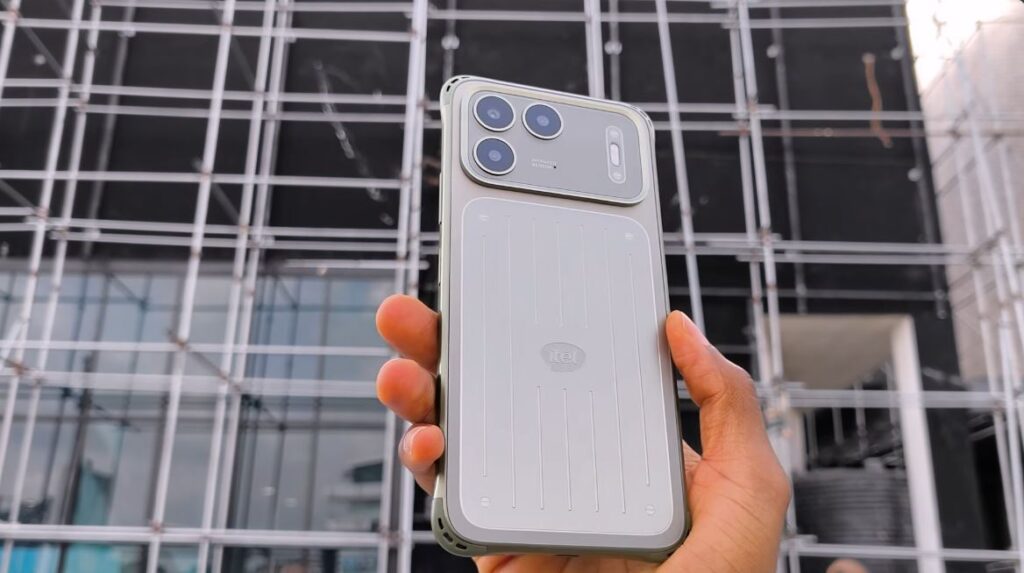
The iTel Power 80 is easy to criticize if you judge it like a typical mid-range phone, because it’s not trying to win that comparison. It’s a targeted product built to last longer between charges and handle more real-world wear than most budget devices.
That focus is also the reason many people shouldn’t buy it. If you want strong cameras, sharper display quality, or dependable performance under heavy use, you’ll run into the limits quickly. But if your phone is primarily a tool and your priorities are battery life and durability, the iTel Power 80 makes a clear, honest case for itself.