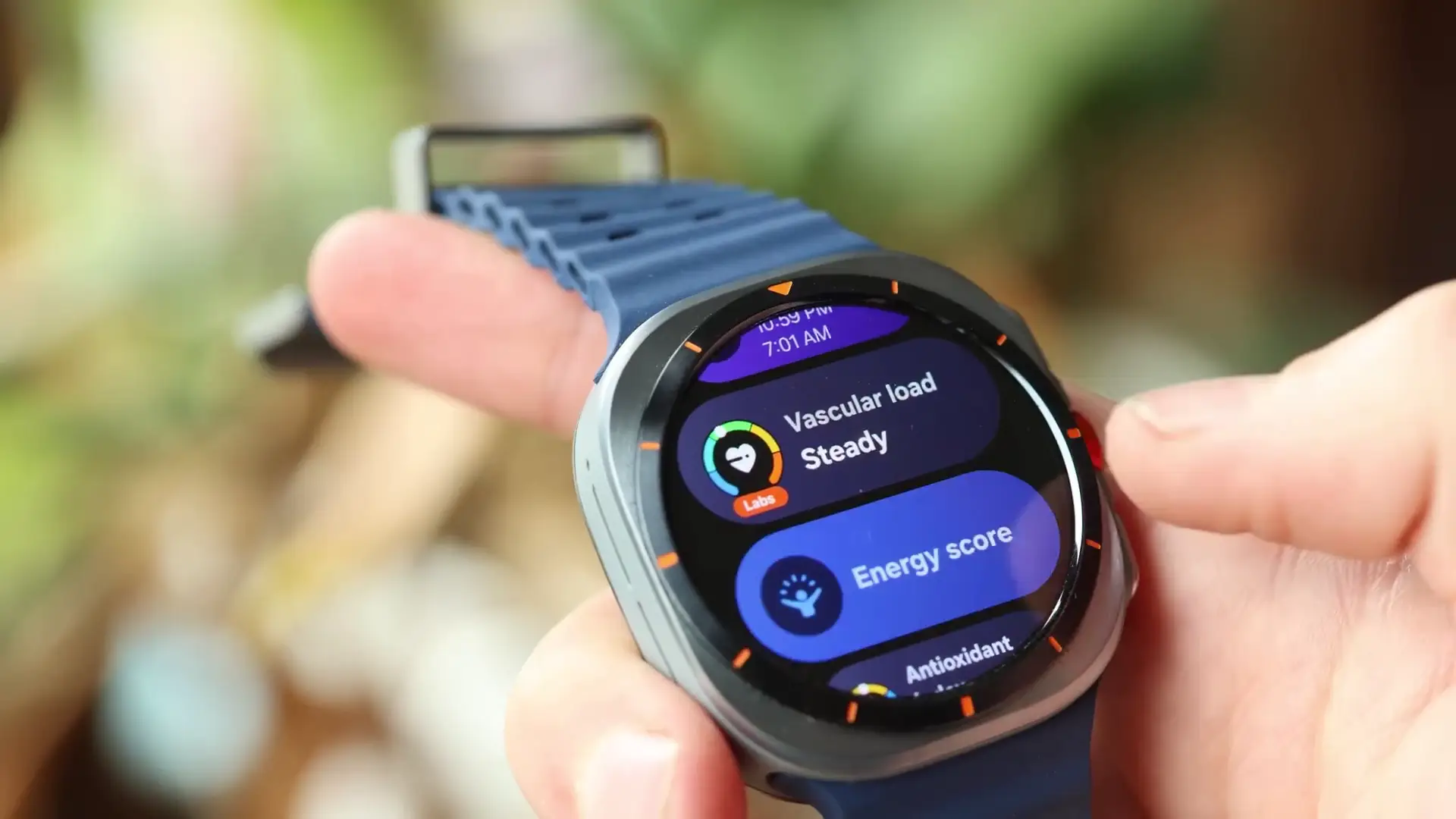
Samsung’s next wave of devices is starting to show up in the places leaks often begin: regulatory databases. Ahead of expected launches over the next few months, batteries tied to the Galaxy Watch 9, the Galaxy Watch Ultra 2, and the Galaxy Tab S12+ have appeared on India’s Bureau of Indian Standards (BIS), signaling that key hardware components are already moving through certification steps.
These filings don’t confirm launch dates or full, but they do give us something concrete to track: model numbers and battery capacities that hint at where Samsung is focusing its upgrades this year.
Galaxy Watch 9 and Ultra 2 clear an early milestone
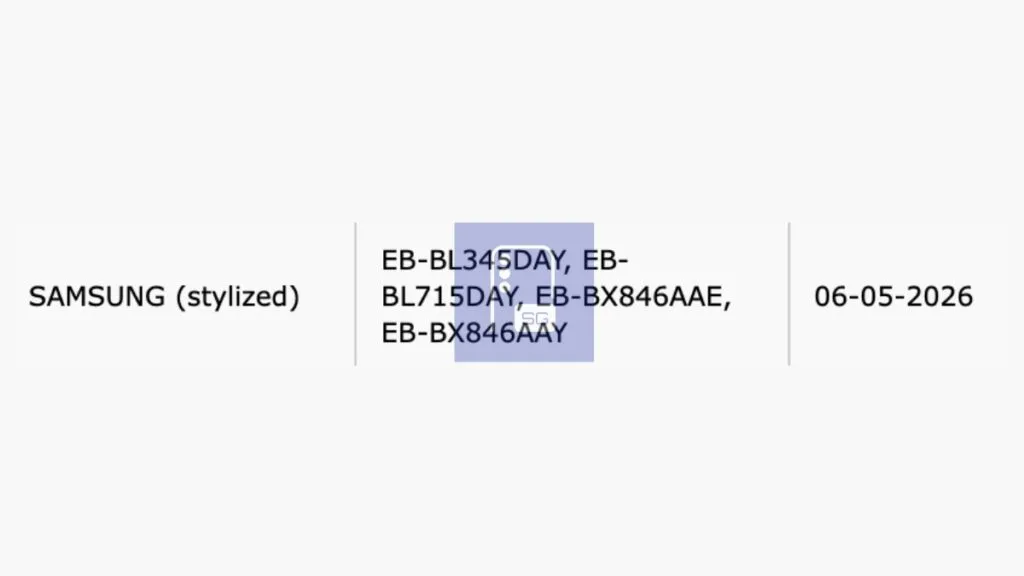
The BIS shows battery model numbers EB-BL345DAY and EB-BL715DAY, tied to the Galaxy Watch 9 and Galaxy Watch Ultra 2 respectively. The Galaxy Watch 9 is expected to ship in two sizes (commonly 40 mm and 44 mm), with likely capacities around 382 mAh and 435 mAh. The Ultra 2 battery is listed at 784 mAh.
Battery life has been a defining Ultra advantage. The original Galaxy Watch Ultra reportedly lasted about 2.5 days per charge, compared with roughly 30 to 40 hours for the Galaxy Watch 8 class of flagship watches. If the Ultra 2 keeps that bigger cell and improves efficiency, it could widen the gap again, especially for users who track workouts, sleep, and GPS regularly.
Snapdragon Wear Elite could reshape the Ultra lineup
The more consequential rumor sits behind the battery: processing. The Ultra 2 is widely expected to get a significant upgrade via Qualcomm’s Snapdragon Wear Elite, a wearables-focused chip announced at MWC 2026 in Barcelona. A SamMobile-cited insider report suggests at least one of Samsung’s upcoming watches may include it.
If that’s accurate, the Ultra 2 could unlock features Samsung watches haven’t consistently offered at the top tier, including the potential for 5G, ultra wideband, Wi-Fi 6, and Bluetooth 6, depending on regional variants and final hardware choices. Meanwhile, the standard Galaxy Watch 9 may stick with an Exynos platform like its predecessor, which could create a clearer performance and efficiency split between the mainstream and Ultra models than we’ve seen in some previous generations.
Tab S12+ battery grows, and health tech aims higher
The BIS also lists two Galaxy Tab S12+ batteries, EB-BX846AAE and EB-BX846AAY, with a rated capacity of 10,392 mAh. In typical marketing terms, that likely translates to a “typical” capacity around 10,500 to 10,600 mAh, roughly a 4–5% bump over the Galaxy Tab S10+. It’s not a radical jump, but on large tablets even small gains can matter during travel, note-taking days, or extended video calls.
Beyond the tablet, sensors and health features may be the Ultra 2’s real headline. Last year’s standout addition was Samsung’s antioxidant index, which looks for nutrition-related signals through the skin’s surface. This year, leaks point to deeper skin-based detection, broader nutrition insights, and continued interest in noninvasive glucose monitoring. Nothing here is confirmed, but the direction is clear: more metrics, measured more often, with less dependence on a paired phone.
Connectivity upgrades are also in the mix. A report via Dutch outlet Galaxy Club suggests Samsung may offer 5G, 4G, and Wi-Fi versions of the next Ultra, with 5G possibly limited to markets like the US and Korea. There are also early rumblings about a dual-chip architecture to separate heavy tasks from low-power background processing, a design approach used by competitors to extend endurance.
Conclusion
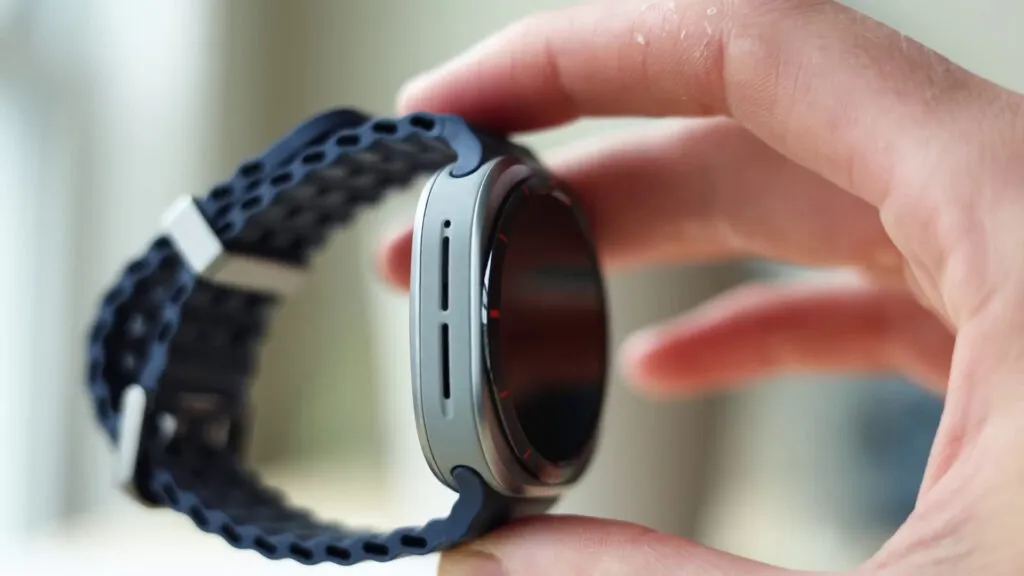
BIS listings won’t tell us everything, but they’re a reliable signal that the Watch 9, Watch Ultra 2, and Galaxy Tab S12+ are moving closer to launch. The battery numbers suggest Samsung is protecting the Ultra’s endurance advantage, modestly growing the Tab S12+ cell, and potentially setting up a sharper “standard vs Ultra” divide through chipset choices.
For now, it’s still a leak-driven picture. But between certification movement, reported processor changes, and recurring connectivity and health rumors, the pieces are starting to line up for a busy Samsung second half of 2026.
Read more!