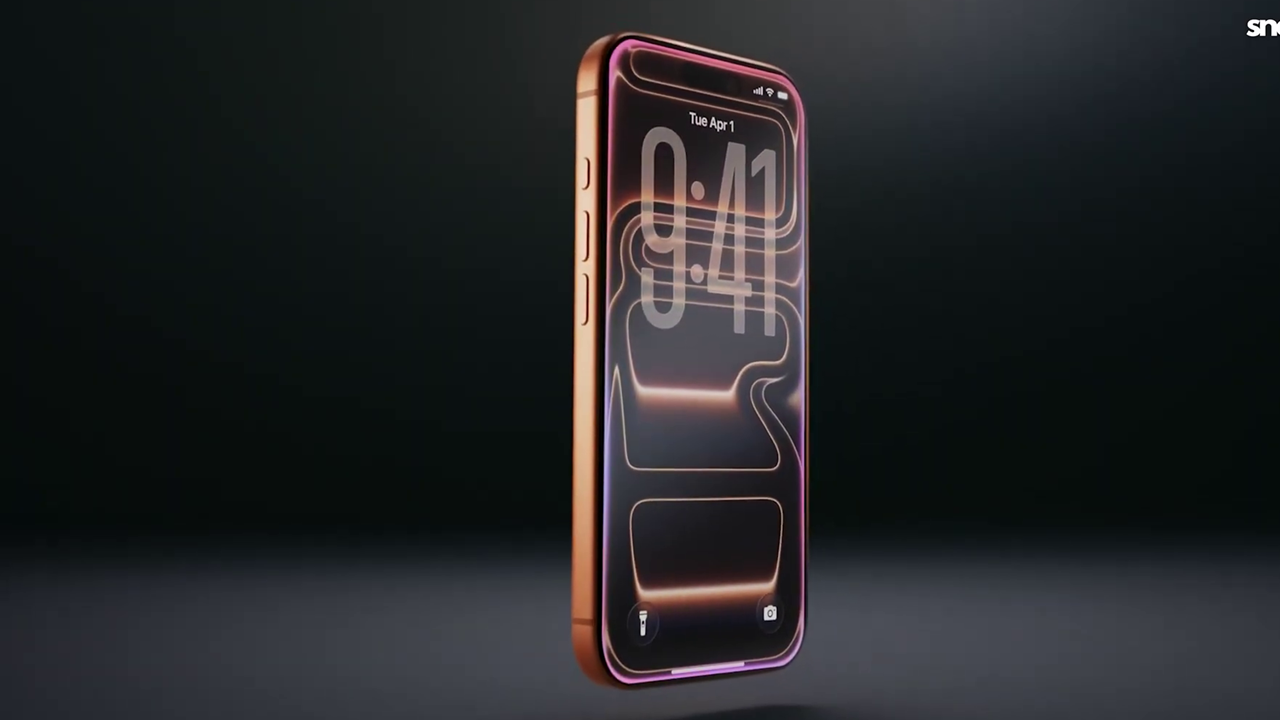
Apple is heading into WWDC with expectations sky-high: iOS 27 updates, a sharper Apple Intelligence pitch, and a clearer preview of the experience that’s expected to land alongside the iPhone 18 Pro. If’re watching the rumor mill, one number keeps coming up: $1,099.
That’s the same starting price as the iPhone 17 Pro, and Apple has plenty of reasons to try to keep it there. But the more important story for buyers isn’t the sticker price on launch day. It’s what you’ll pay across the life of the phone as AI features move from “included” to “ongoing cost.”
The $1,099 headline that hides the real bill
Apple knows the psychology of a price point. Keeping the iPhone 18 Pro at $1,099 helps the upgrade feel predictable, even if the internals get more expensive. It also keeps comparisons clean against Samsung’s Galaxy S Ultra pricing and the top-end Android field.
But consumers don’t experience iPhone pricing as one clean transaction anymore. Carrier financing turns a four-figure phone into a line item: roughly $45.80/month over 24 months (before taxes and fees). That softens the initial hit, but it also makes it easier for Apple and its partners to introduce add-on charges later, because everything looks like “just another monthly fee.”
The result: Apple can defend the headline price while still increasing what it earns per user after purchase.
Component inflation: memory, storage, and AI-era hardware pressure
Under the hood, the iPhone 18 Pro is entering a costlier hardware era. Memory and storage pricing been under pressure because supply is tighter while demand is climbing across the entire industry. AI is a major driver: more on-device models, more caching, more local processing, and bigger footprints for data.
A recent, very public example of cost pressure: Valve increased Steam Deck pricing by more than 40% cover rising production expenses. That’s not an Apple-like move—Apple’s brand strategy depends on stability—but it’s a clear signal of what manufacturers are dealing with.
Apple is expected to absorb a higher bill of materials early in the iPhone 18 Pro lifecycle to ensure the launch is a “day zero success.” Apple has the margins to do that, at least temporarily. But higher component costs don’t disappear; they just shift to different parts of the business model.
Cloud AI isn’t free: Private Cloud Compute and rising server costs
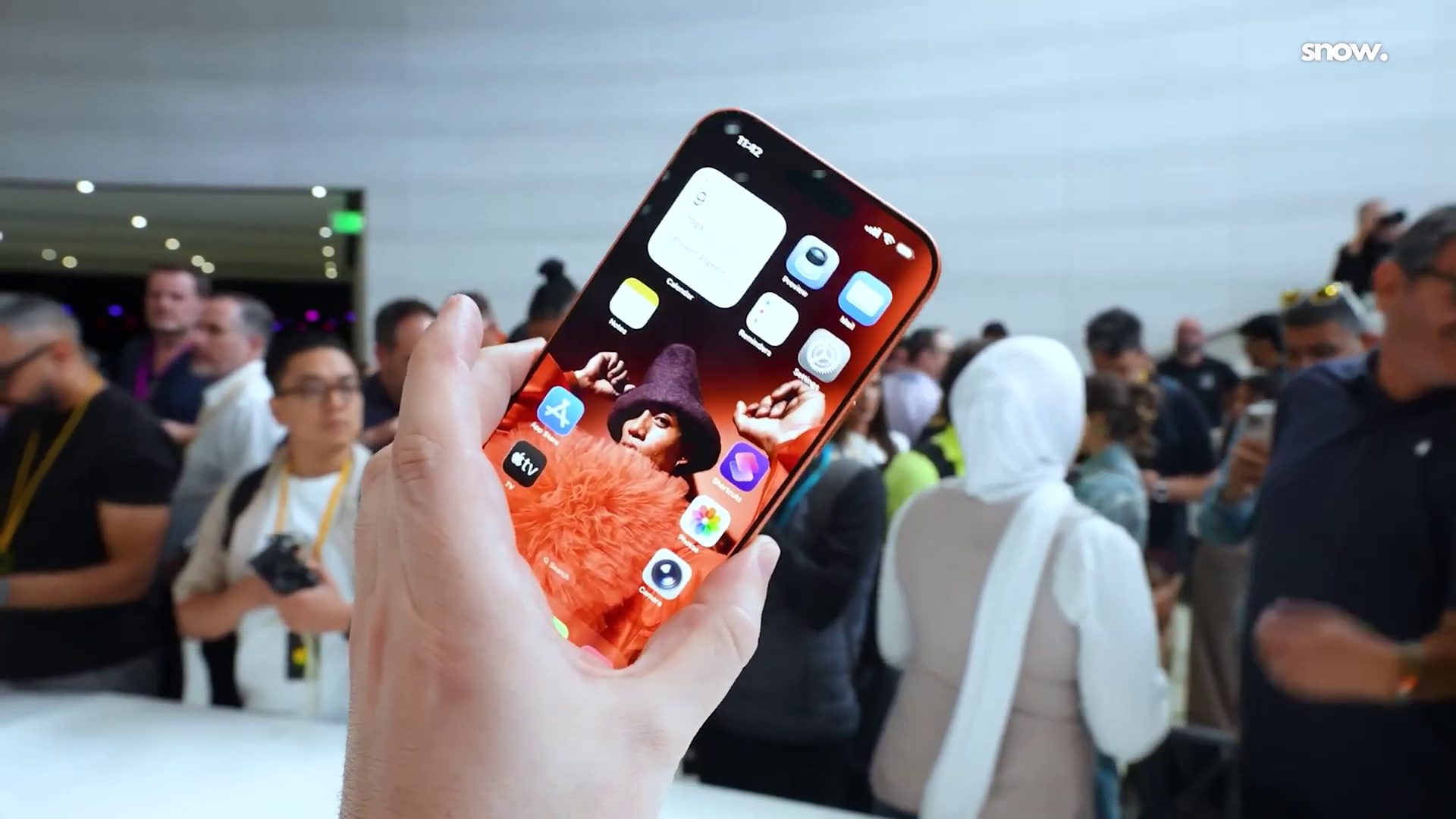
Apple Intelligence is expected to lean on a hybrid approach: on-device processing where possible, and cloud processing when tasks get heavier. Apple’s Private Cloud Compute messaging is designed to reassure users that privacy won’t be sacrificed to make AI work at scale.
The catch is simple: cloud inference is expensive, and it’s getting more expensive. GPUs, power, cooling, networking, redundancy, capacity planning—AI server economics are not trending in the consumer’s favor. Even companies with massive infrastructure footprints are feeling margin compression as usage expands.
Apple can run this at a loss during the launch window because it needs Apple Intelligence to feel magical out of the box. But over a phone’s lifetime, Apple will want to recover those infrastructure premiums. Historically, that recovery tends to show up as services revenue rather than a higher sticker price.
Google, Gemini, and the price of catching up on AI
One of the most important angles isn’t just what Apple builds—it’s what Apple buys. Reporting highlighted in Bloomberg’s Power On newsletter (via Mark Gurman) suggests Apple has pursued outside support to accelerate Siri and cloud AI capabilities, including a deal with Google that could swap in Gemini models and Google Cloud infrastructure.
That kind of arrangement doesn’t come cheap. If Apple is paying for third-party models, third-party compute, or both, it creates a new operating cost that scales directly with usage. More users relying on AI features means a larger bill that Apple either eats indefinitely or offsets through monetization.
And there’s an additional incentive: Apple won’t want to subsidize a pipeline that sends its customers into Google’s AI ecosystem without getting paid back somewhere along the way.
Paywalls and bundles: how Apple can monetize after unboxing
There’s growing consumer resistance to paying extra to unlock features that were heavily marketed at purchase time. People don’t like buying a premium phone and then discovering the “best parts” are behind a subscription. Apple knows that; it also knows it can’t ignore the economics of AI compute.
So the likely path is the one Apple already uses: trials, bundling, and delayed billing. Apple One is built for this. A free introductory window makes the unboxing experience feel complete, while the real charging point arrives weeks later when the feature has become part of your routine.
Bundling also blurs the true cost. If Apple Intelligence tiers are folded into Apple One alongside Apple Music, Apple TV+, iCloud storage, and other services, it becomes harder to say what you’re paying for AI specifically. That ambiguity is a business feature, not a bug.
What “more expensive” looks like in 12 months of ownership
Competition matters here. Google and Samsung have leaned on extended promotions for Gemini and Galaxy AI features, setting consumer expectations that AI should feel included—at least at first. That makes it risky for Apple to drop an immediate, obvious paywall on day one without pushing some users to consider alternatives.
But the longer-term direction is familiar. Cloud storage started as a small free perk, then became essential, then became a recurring cost once people hit limits. Premium AI is heading toward the same inflection point: once it becomes integral, companies can charge for higher tiers with less backlash.
Put numbers on it and the story sharpens. If Apple keeps the iPhone 18 Pro at $1,099 but adds an AI-related service tier that effectively costs $15 per month (whether standalone or bundled), that’s $180 per year. Even if many users land in a bundle where the incremental cost is partially hidden, Apple could still gain roughly $100 to $150 more per customer in year-one revenue while keeping the phone’s sticker price unchanged.
That increase won’t be obvious in the Apple Store checkout flow. It will show up later, quietly, on the monthly statement.
Conclusion
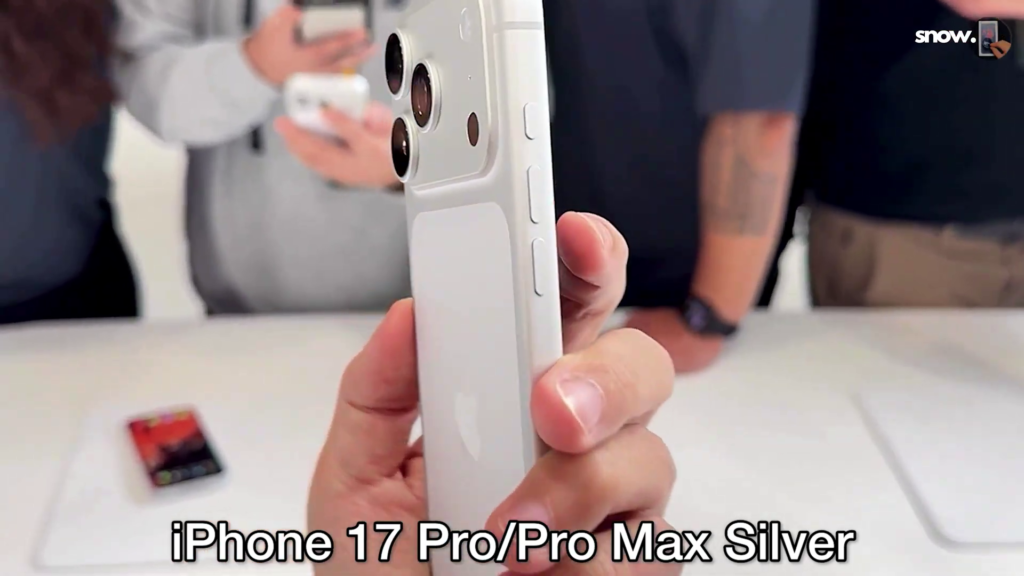
The iPhone 18 Pro may launch with the same $1,099 price tag as its predecessor, and Apple has strong reasons to protect that headline. Component costs are rising, cloud AI costs are rising faster, and Apple is under pressure to deliver Apple Intelligence at a level that feels competitive immediately.
The practical takeaway is straightforward: budget for total ownership, not launch-day pricing. The iPhone 18 Pro upgrade may look stable at checkout, but over 2026 the mix of AI infrastructure, partner deals, and subscription bundling is likely to make your “same-price” iPhone noticeably more expensive.
iPhone 18 Pro leak hints at a smaller Dynamic Island
Apple Watch Ultra 4 rumors: redesign, sensors, and doubt